Understanding Invisalign Treatment Duration
Factors Influencing Treatment Time
If you're thinking about straightening your teeth with Invisalign, you might wonder, "How long will this take?" Well, it's not a one-size-fits-all answer. Several things influence how long you will need to wear the clear aligners. The complexity of your case is a big one. If you just need some minor tweaks, you're looking at a shorter time than someone with major alignment requirements. How well you follow instructions also matters. Not wearing your aligners for the recommended 20-22 hours a day will prolong treatment. Your age and overall dental health also play a role. Even genetics can influence how quickly your teeth move. At Bryant Street Dental, we make sure to consider all these factors when we estimate your treatment time during your consultation with our dentist in Palo Alto.
Typical Treatment Length
Okay, so let's talk numbers. For most adults, Invisalign treatment usually takes somewhere between 12 to 18 months. But again, that's just an average. Some people's treatment is complete in as little as 6 months, while others might need closer to 2 years. Children and teens might have slightly different timelines, often a bit shorter, because their teeth are still developing and generally move more easily. During your initial consultation for Invisalign, your dentist will give you a more personalized estimate based on a thorough examination of your teeth and bite.
Comparing Invisalign to Traditional Braces
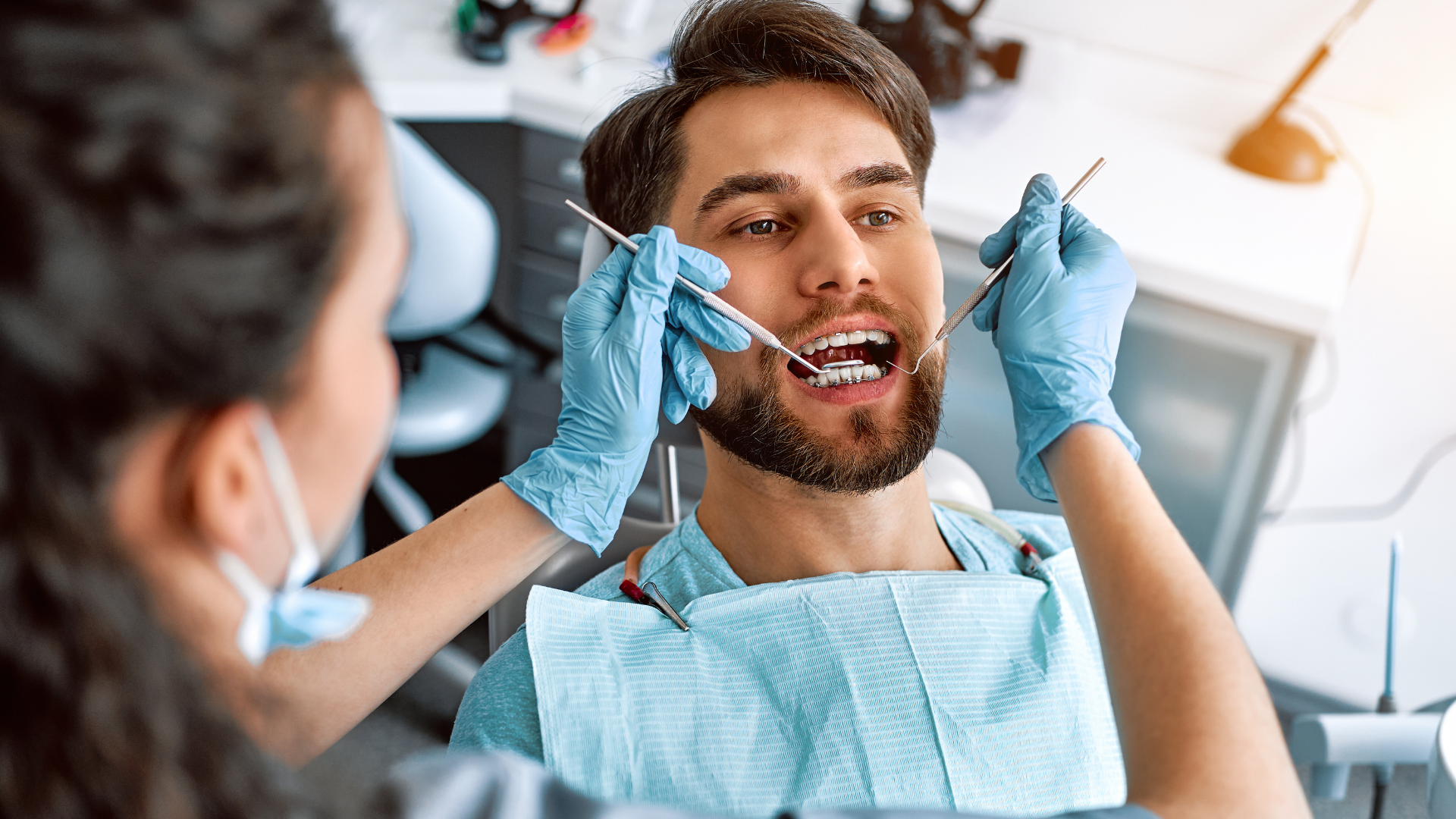
Traditional braces have been around forever, and they definitely get the job done. But how does their treatment time compare to Invisalign? Generally, braces can take anywhere from 18 months to 3 years, sometimes even longer. For some complex cases, braces might still be the better option, and they might even be faster. However, Invisalign often offers a more comfortable and convenient experience, and for many people, the treatment time is comparable. Plus, with Invisalign, you can take the aligners out to eat and brush your teeth, which is a huge win.
Here's a quick comparison:
| Feature | Invisalign | Traditional Braces |
|---|---|---|
| Average Duration | 12-18 months | 18 months - 3 years |
| Complexity | Mild to moderate | All cases, including severe |
| Removability | Yes | No |
| Aesthetics | Virtually invisible | Visible metal or ceramic brackets |
| Maintenance | Remove to eat/brush | Special tools for cleaning |
It's important to remember that every mouth is different. What works best for one person might not be the best choice for another. Talking to your dentist is the best way to figure out which treatment option is right for you.
Initial Consultation Process
What to Expect During Your First Visit
The first step is the initial consultation. At Bryant Street Dental, this is where we get to know you and your smile goals. Expect a friendly chat about what you hope to achieve with Invisalign. We'll take a look at your teeth, discuss your dental history, and answer any questions you might have. It's a relaxed environment, so don't feel nervous! We want to make sure you're comfortable and informed before moving forward. We'll also explain the whole Invisalign process, from start to finish, so you know exactly what to expect.
Assessing Your Dental Needs
The dentist in Palo Alto will conduct a thorough examination of your teeth and gums. This usually involves taking X-rays and digital scans to get a complete picture of your oral health. We're looking for things like:
- The alignment of your teeth
- Any signs of decay or gum disease
- The overall structure of your jaw
Based on this assessment, we can determine if Invisalign is the right treatment option for you. Not everyone is a good candidate, and it's better to know that upfront. We'll also discuss any alternative treatments if Invisalign isn't the best fit.
It's important to be honest and open with your dentist during this assessment. The more information you provide, the better we can tailor a treatment plan to meet your specific needs.
Creating a Customized Treatment Plan
If Invisalign seems like a good fit, the next step is creating a customized treatment plan. This involves using the information gathered during the assessment to map out the movement of your teeth over time. We use advanced 3D imaging technology to create a virtual model of your mouth. This allows us to show you exactly how your teeth will shift with each set of aligners. The treatment plan will outline the duration of your treatment, the number of aligners you'll need, and the expected results. We'll also discuss the cost of treatment and any available financing options. This plan is tailored specifically to you, ensuring the best possible outcome for your Invisalign Palo Alto journey at Bryant Street Dental.
The Invisalign Process Explained
Receiving Your Aligners
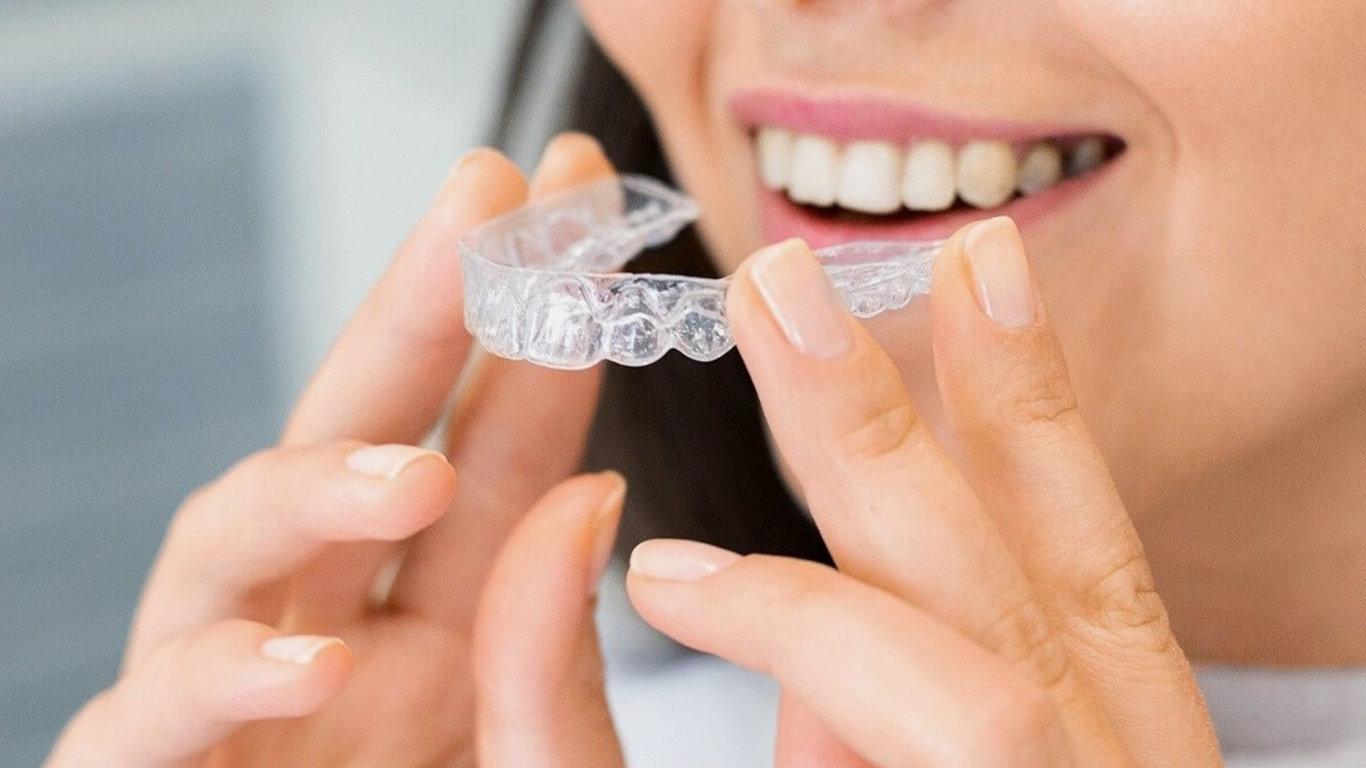
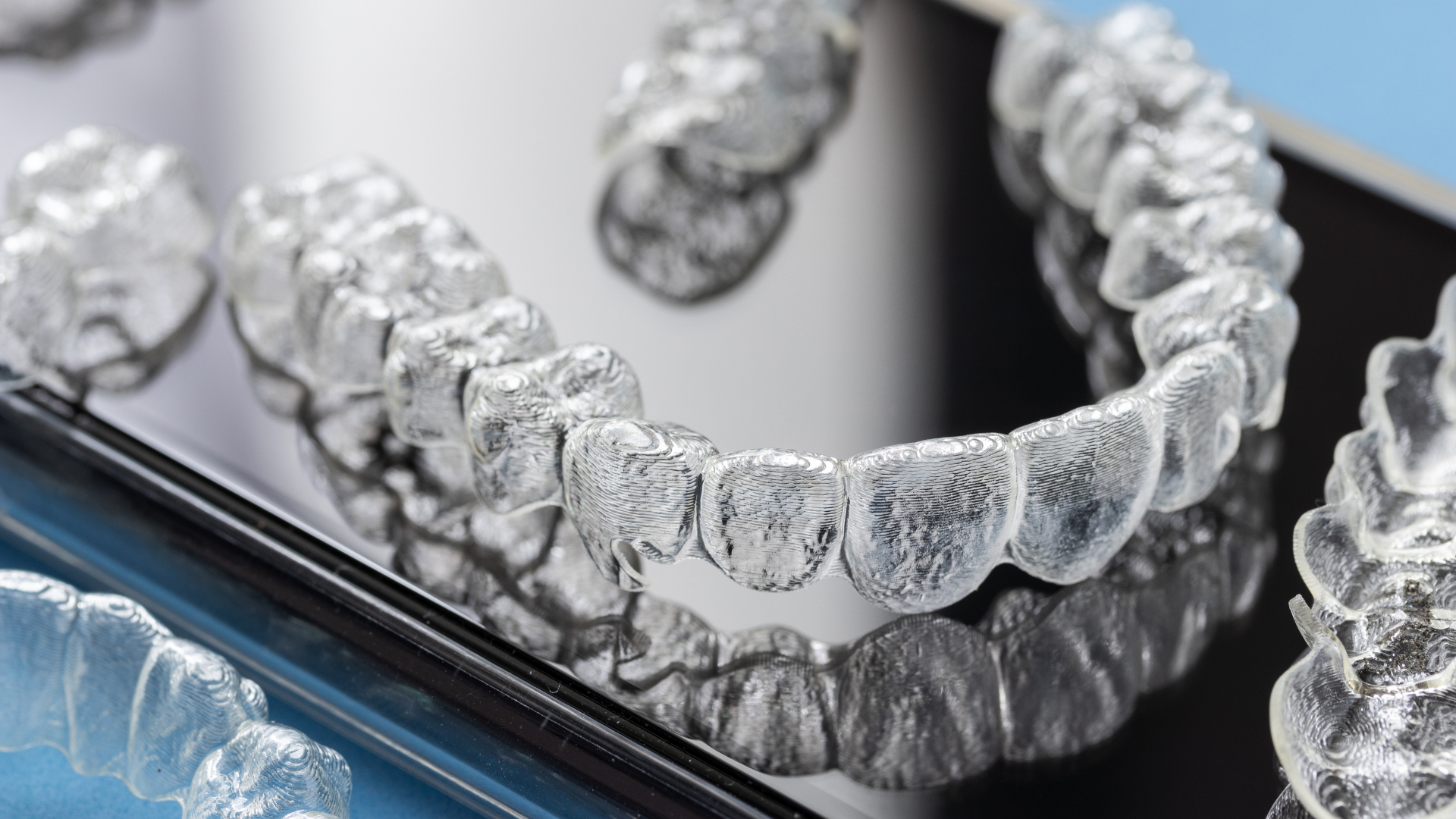
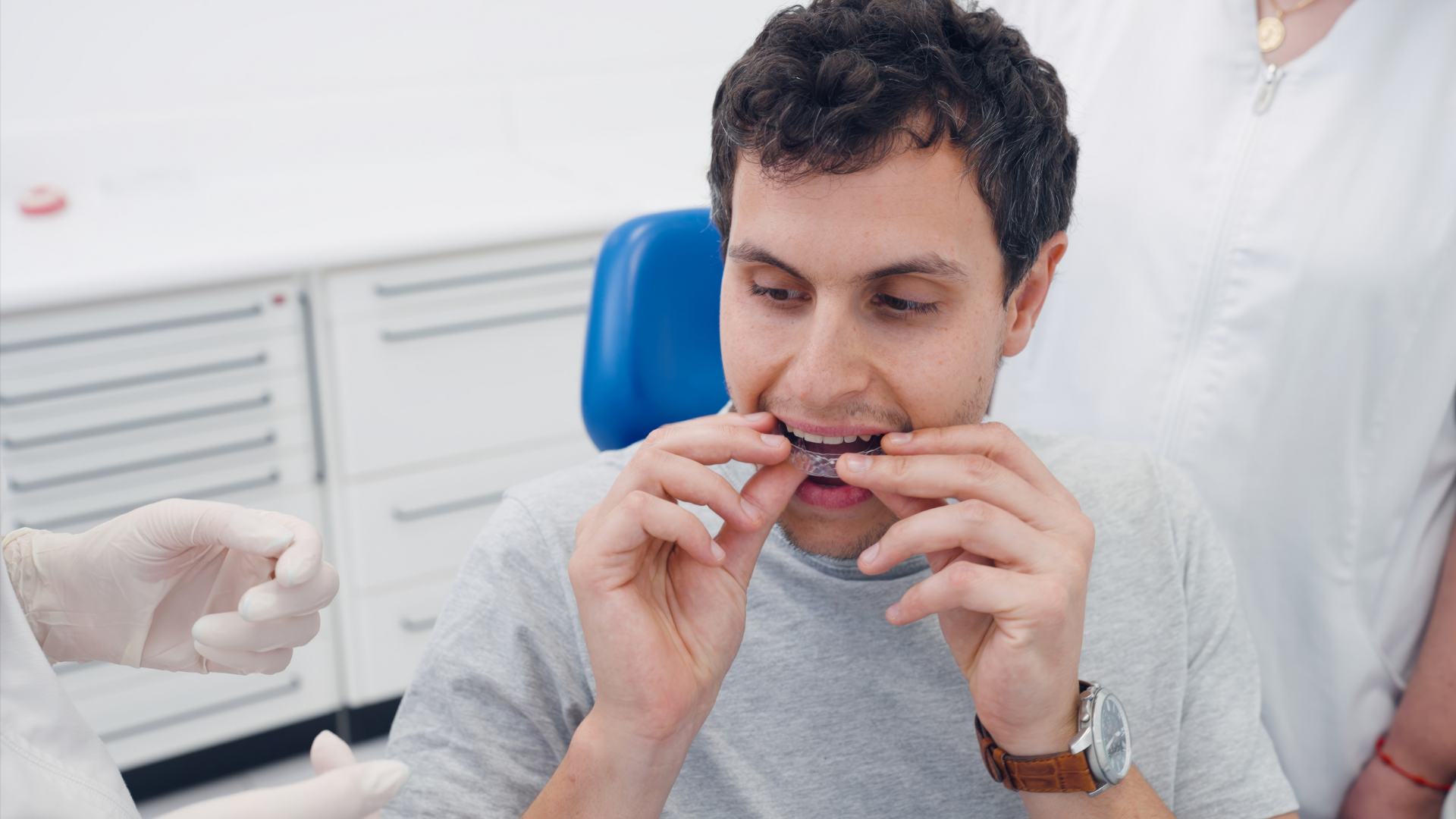
So, you've decided to go with Invisalign. Great! The first step after your initial consultation at Bryant Street Dental is getting your custom aligners. These aren't just pulled off a shelf; they're made specifically for your mouth based on the scans and impressions taken by your dentist palo alto. Once they're ready, you'll pick them up, and your dentist will show you how to properly insert and remove them. They'll also go over your treatment plan, explaining the order in which you'll wear each set of aligners. It's pretty straightforward, but pay attention – getting it right is key to a smooth process.
Wearing and Changing Aligners
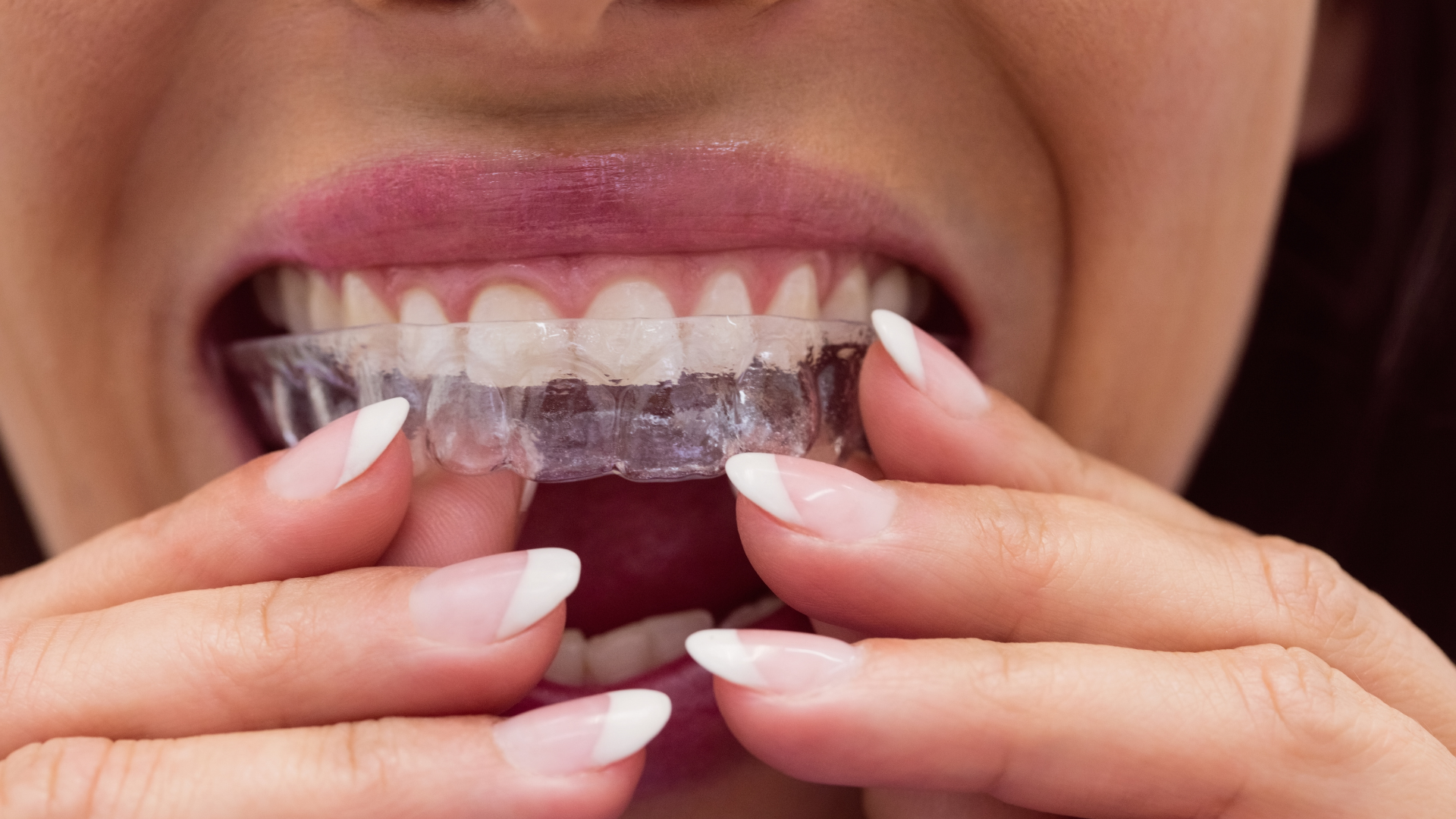
Now you've got your aligners, and it's time to wear them. The general rule is to wear them for 20-22 hours a day for optimal results. That means only taking them out while eating, drinking anything other than water, and brushing your teeth. Each set of aligners is designed to gradually shift your teeth, so you'll switch to a new set every one to two weeks, as instructed by your dentist. It might feel a little tight or uncomfortable when you first switch to a new set, but that's normal. It just means they're doing their job! Make sure to keep track of when you need to change aligners – setting reminders on your phone can be super helpful.
Monitoring Progress with Your Orthodontist
Invisalign isn't a set-it-and-forget-it kind of thing. You'll still need to visit your dentist in Palo Alto regularly for check-ups. These appointments are important because your dentist needs to make sure your teeth are moving as planned. They'll check the fit of your aligners, assess your progress, and make any necessary adjustments to your treatment plan. These appointments are usually every 6-8 weeks, but it can vary depending on your specific case. Don't skip these appointments – they're crucial to make sure your Invisalign treatment is effective. If you're looking for Invisalign in Palo Alto, Bryant Street Dental can help you with that.
It's important to communicate any concerns or issues you're experiencing with your aligners to your dentist during these check-ups. Whether it's excessive discomfort, difficulty inserting or removing the aligners, or any other unusual symptoms, your dentist can provide guidance and solutions to keep your treatment on track.
Lifestyle Considerations for Invisalign Patients
Eating and Drinking with Aligners
One of the best parts about Invisalign is that you can take them out to eat. Be mindful, you should remove your aligners before eating or drinking anything other than water. Food can get trapped, and sugary drinks are a big no-no. They can stain the aligners and cause cavities. Always brush your teeth before putting the aligners back in. It's a bit of a change, but you get used to it.
Maintaining Oral Hygiene
Keeping your mouth clean is very important with Invisalign. You need to brush and floss after every meal before putting your aligners back in. Seriously, every time. And clean the aligners. You can use a soft toothbrush and some mild soap, or get special Invisalign cleaning crystals. Bryant Street Dental in Palo Alto can give you some tips on the best products to use. Good oral hygiene is key to successful invisalign palo alto treatment.
Managing Discomfort During Treatment
It is possible you will experience some discomfort. Especially when you switch to a new set of aligners. It usually lasts a day or two. Over-the-counter pain relievers can help. Also, try switching to a new set of aligners at night, so you sleep through the worst of it. If the discomfort is difficult for you to manage, talk to your dentist, they might have some other suggestions. Some people find that chewing on sugar-free gum can help relieve the pressure.
It's important to remember that any discomfort is temporary and a sign that your teeth are moving. Staying consistent with your treatment plan and maintaining good oral hygiene will help minimize discomfort and ensure the best possible results with your Invisalign treatment at Bryant Street Dental.
Here's a quick guide to managing discomfort:
- Use over-the-counter pain relievers.
- Switch to new aligners at night.
- Chew sugar-free gum.
- Contact your dentist if the pain is severe.
Post-Treatment Care and Retainers
Importance of Retainers After Invisalign
So, you've finished your Invisalign treatment at Bryant Street Dental, congrats! But here's the thing: your teeth still want to move. They have a memory, and without something to hold them in place, they'll slowly start shifting back towards their old positions. That's where retainers come in. Retainers are very important because they keep your teeth straight after Invisalign. Think of them as the final step in making sure all that time and effort you put into straightening your teeth doesn't go to waste. Your dentist will stress this point.
Duration of Retainer Use
How long do you have to wear the retainer varies. Initially, your dentist in Palo Alto will recommend wearing your retainers full-time for a few months. This means basically all the time, except when you're eating or brushing your teeth. After that initial period, you'll likely switch to wearing them only at night. Some people only need to wear them a few nights a week after a while, but others might need to wear them every night indefinitely to keep their teeth perfectly straight. It really depends on your individual situation and how much your teeth tend to shift. Listen to what your dentist at Bryant Street Dental tells you – they know your mouth best! Here's a general guideline:
- First 3-6 months: Full-time wear (20-22 hours per day)
- Next phase: Nighttime wear only
- Long-term: As directed by your dentist (could be nightly, every other night, etc.)
It's better to be safe than sorry when it comes to retainer wear. Skipping nights or neglecting your retainers can lead to unwanted tooth movement, and you might find yourself needing additional treatment down the road. Think of it as an investment in maintaining your smile.
Adjusting to Life After Invisalign
Life after Invisalign is pretty great! You've got a straight smile, and you're probably feeling more confident. But there are still a few things to keep in mind. First, cleaning your retainers is important. Just like your aligners, they can get gross if you don't clean them regularly. Brush them gently with a toothbrush and some mild soap, or use a retainer cleaner. Also, be careful when you take your retainers out. Don't just toss them on the table – they can get lost or damaged. Keep them in their case when you're not wearing them. And finally, don't forget to schedule regular checkups with your dentist at Bryant Street Dental. They'll want to make sure your teeth are staying straight and that your retainers are still fitting properly. Invisalign Palo Alto patients often find this to be the most important part of the process. Here are some tips:
- Clean your retainers daily.
- Store them in their case when not in use.
- Attend regular checkups with your dentist.
Patient Experiences in Palo Alto
Success Stories from Local Patients
Hearing about other people's experiences can really help when you're thinking about getting Invisalign. In Palo Alto, there are tons of stories about how Invisalign has changed smiles and lives. It's not just about straight teeth; it's about confidence and feeling good about yourself.
Many patients report significant improvements in their bite and overall dental health after completing their Invisalign treatment at Bryant Street Dental.
- Improved self-esteem due to a more attractive smile.
- Easier to maintain oral hygiene with straight teeth.
- Correction of bite issues, leading to better jaw function.
I've heard from a few people that the best part was how discreet the aligners are. They could straighten their teeth without anyone really noticing. Plus, being able to take them out to eat whatever they wanted was a huge win. It's way better than dealing with metal brackets and wires, that's for sure.
Common Challenges Faced
Some people run into a few bumps along the road with Invisalign. Like remembering to wear the aligners for the recommended 22 hours a day. Life gets busy, and it's easy to forget. Also, some folks experience a little discomfort when they switch to a new set of aligners. It's usually not too bad, but it's something to be aware of. Making sure you find a good dentist is key to mitigating these challenges.
Here's a quick rundown of potential issues:
- Discomfort when switching aligners.
- Difficulty remembering to wear aligners for the required time.
- Keeping aligners clean and free from bacteria.
Tips from Experienced Invisalign Users
Want to make your Invisalign journey smoother? Take some advice from those who've already been there! A lot of people suggest setting reminders on your phone to put your aligners back in after eating. Also, keep a travel toothbrush and toothpaste with you so you can clean your teeth before popping the aligners back in. And don't be afraid to reach out to your dentist at Bryant Street Dental if you have any questions or concerns. They're there to help you get the best results possible with your Invisalign Palo Alto treatment.
Here are some top tips:
- Always carry a toothbrush and toothpaste.
- Use an aligner case to avoid losing or damaging your aligners.
- Soak your aligners in a cleaning solution regularly.
Cost Factors for Invisalign in Palo Alto
Average Treatment Costs
Invisalign in Palo Alto isn't exactly cheap, but it's an investment in your smile. The cost can vary quite a bit depending on how complex your case is. A simple fix might be less expensive than a full-blown teeth realignment. Generally, you're looking at a range, and it's best to get a personalized quote from a dentist in Palo Alto like Bryant Street Dental. They can assess your specific needs and give you a more accurate estimate.
- Complexity of the case
- Length of treatment
- Number of aligners needed
It's important to remember that the initial cost isn't the only expense. You'll also have check-up appointments, and potentially, the cost of retainers after the treatment is done. Make sure you factor all of that in when you're budgeting.
Insurance Coverage Options
Now, about insurance. Dental insurancemight cover a portion of your Invisalign treatment. It really depends on your specific plan. Some plans treat Invisalign the same as traditional braces, while others might not cover it at all. It's worth checking with your insurance provider to see what they offer. Don't be afraid to call them up and ask about the specifics of your coverage for orthodontic treatments like Invisalign. Bryant Street Dental can also help you navigate this process and provide the necessary documentation for your insurance claim.
Financing Plans Available
If the upfront cost of Invisalign in Palo Alto seems daunting, don't worry, there are financing options available. Many dental practices, including Bryant Street Dental, offer payment plans to help spread out the cost over time. These plans can make Invisalign more accessible by breaking it down into manageable monthly payments.
- In-house payment plans offered by the dentist Palo Alto
- Third-party financing companies specializing in healthcare
- Credit cards with promotional 0% APR periods
It's a good idea to explore all your options and see which one works best for your budget. Invisalign Palo Alto is an investment, and finding a suitable financing plan can make it a reality.
Wrapping It Up
So, to answer the first question, how long does Invisalign take for folks in Palo Alto? Well, it really depends on your specific situation. Most people can expect to wear their aligners for about 12 to 18 months, but some might finish sooner or take a bit longer. It all comes down to how much work your teeth need. Regular check-ins with your orthodontist are key to staying on track. Just remember, patience is part of the process. In the end, the results are usually worth the wait, and you’ll be smiling brighter before you know it!
Disclaimer: Results and treatment times vary by individual. Invisalign may not be suitable for all cases. Compliance with dentist instructions is essential. Consult Bryant Street Dental in Palo Alto for personalized advice and treatment plans.
Blog | Bryant St Dental