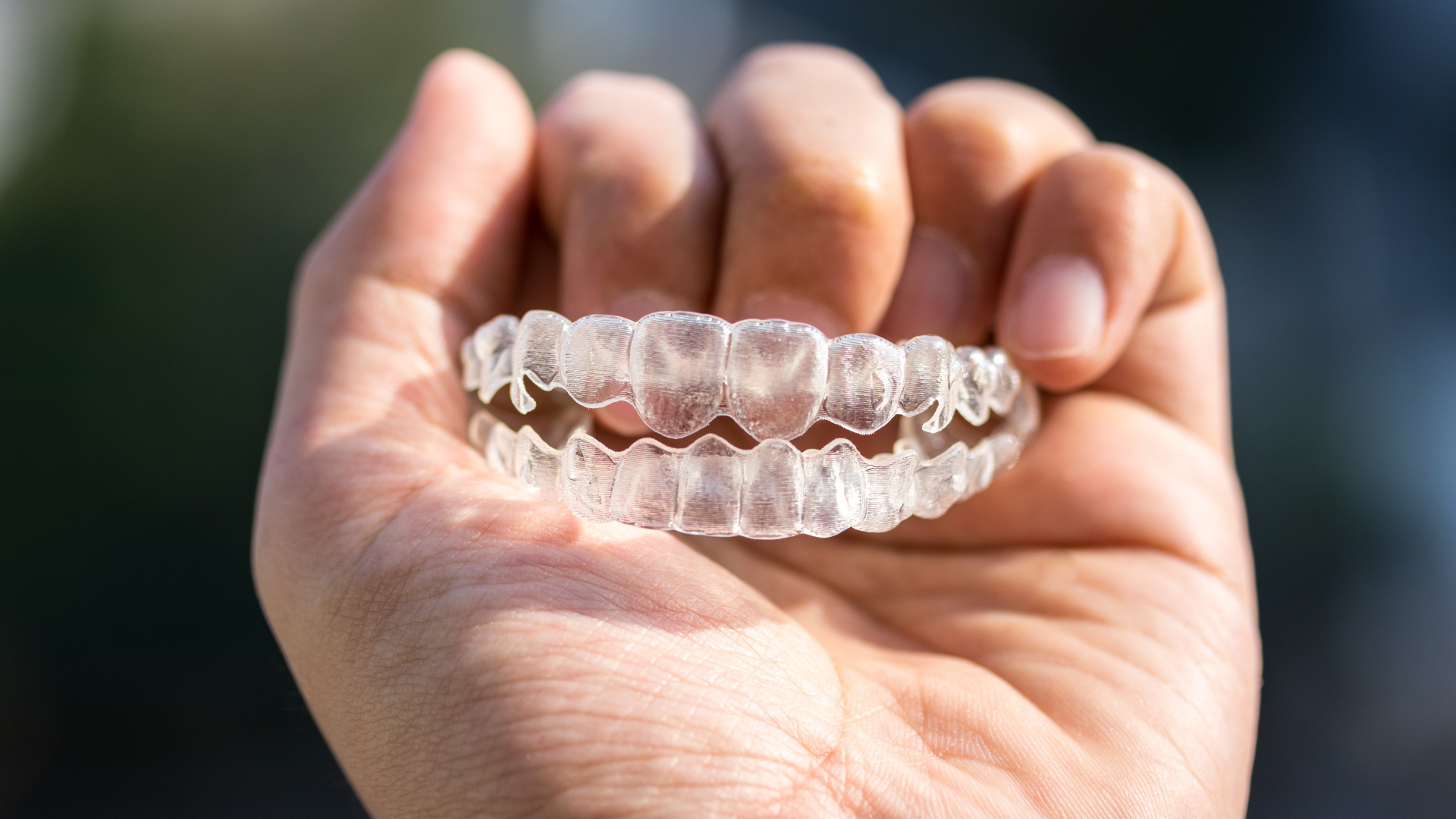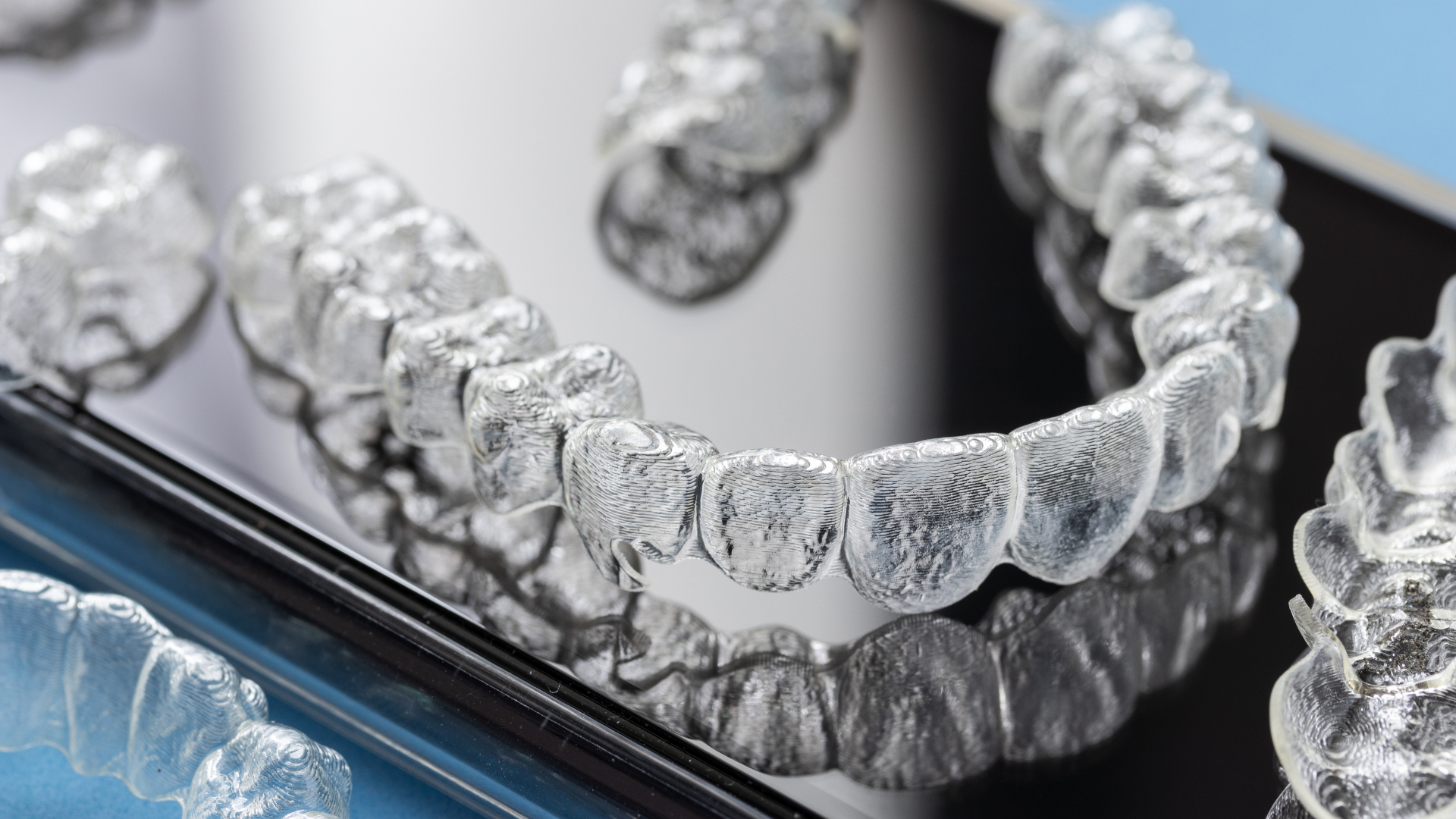
Most Invisalign patients need somewhere between 20 and 40 trays, worn in sequence for one to two weeks each, over a total treatment window of 12 to 18 months. Mild crowding or small gaps can wrap up in as few as 14 trays. Complex bite corrections can run past 40. Your exact number depends on how much movement your teeth need, not on a fixed formula.
Quick Takeaways
- Tray count tracks with case complexity, not with age or how "bad" your smile looks to you
- Mild cases: roughly 14–26 trays over 6–18 months
- Moderate cases: roughly 28–36 trays over 12–18 months
- Complex cases: 36 or more trays, sometimes 18–24+ months
- You'll typically switch trays every one to two weeks and see your dentist every four to six weeks
The Question Every New Invisalign Patient Asks
You've booked a consultation. Maybe you've already had your teeth scanned. And somewhere between the excitement of a straighter smile and the reality of wearing a retainer-like device for over a year, one number keeps nagging at you: how many trays is this actually going to take?
It's a fair question, and it deserves a real answer rather than a marketing brochure. At
Bryant St Dental, our team handles more than 400 Invisalign cases a year as a Diamond Plus, Top 1% provider, so we see the full range — five-tray touch-ups and forty-plus-tray reconstructions alike. Here's what actually drives that number.
What Determines Your Invisalign Tray Count
Every plan is built around movement, not appearance. An orthodontist doesn't count how crooked your teeth look. They count how many stages of movement it takes to get from your current bite to your target bite, and each tray only shifts teeth by about 0.25mm.
That means two people with similar-looking smiles can end up with very different tray counts, because the underlying tooth roots, bite alignment, and jaw spacing aren't the same. According to the American Association of Orthodontists, clear aligner systems like Invisalign move teeth through a series of custom, incremental stages, and the number of stages is set individually for each patient's treatment plan.
Three things move that number the most:
- Case complexity — spacing and mild crowding need far fewer trays than crossbites, rotated teeth, or significant crowding
- Jaw bone density — denser bone (more common in older adults) slows tooth movement and can add trays or extend wear time per tray
- Consistency — Invisalign is built around wearing each tray 20 to 22 hours a day; skipping that adds trays or restarts stages, not fewer
Typical Tray Counts by Case Type
Bring these ranges to your consultation as a benchmark, not a promise — your dentist's scan will give you the real number.
- Mild cases (small gaps, minor crowding): about 14–26 trays, 6–18 months
- Moderate cases (uneven bites, moderate crowding): about 28–36 trays, 12–18 months
- Complex cases (large gaps, crossbites, severe crowding): 36+ trays, often 18–24 months or more
Most patients land in the moderate range and change trays every one to two weeks, with a check-in visit every four to six weeks to confirm things are tracking to plan.
Frequently Asked Questions About Invisalign in Palo Alto
How many Invisalign trays do most people need?
Most patients need between 20 and 36 trays total. The exact count depends on your case complexity, and your dentist won't know the real number until after a digital scan and treatment plan.
Do more trays mean my case is worse?
Not necessarily. A higher tray count usually means more stages of movement were mapped out, often for precision, not because your teeth are in worse shape than a lower-tray case.
How often do I switch to a new tray?
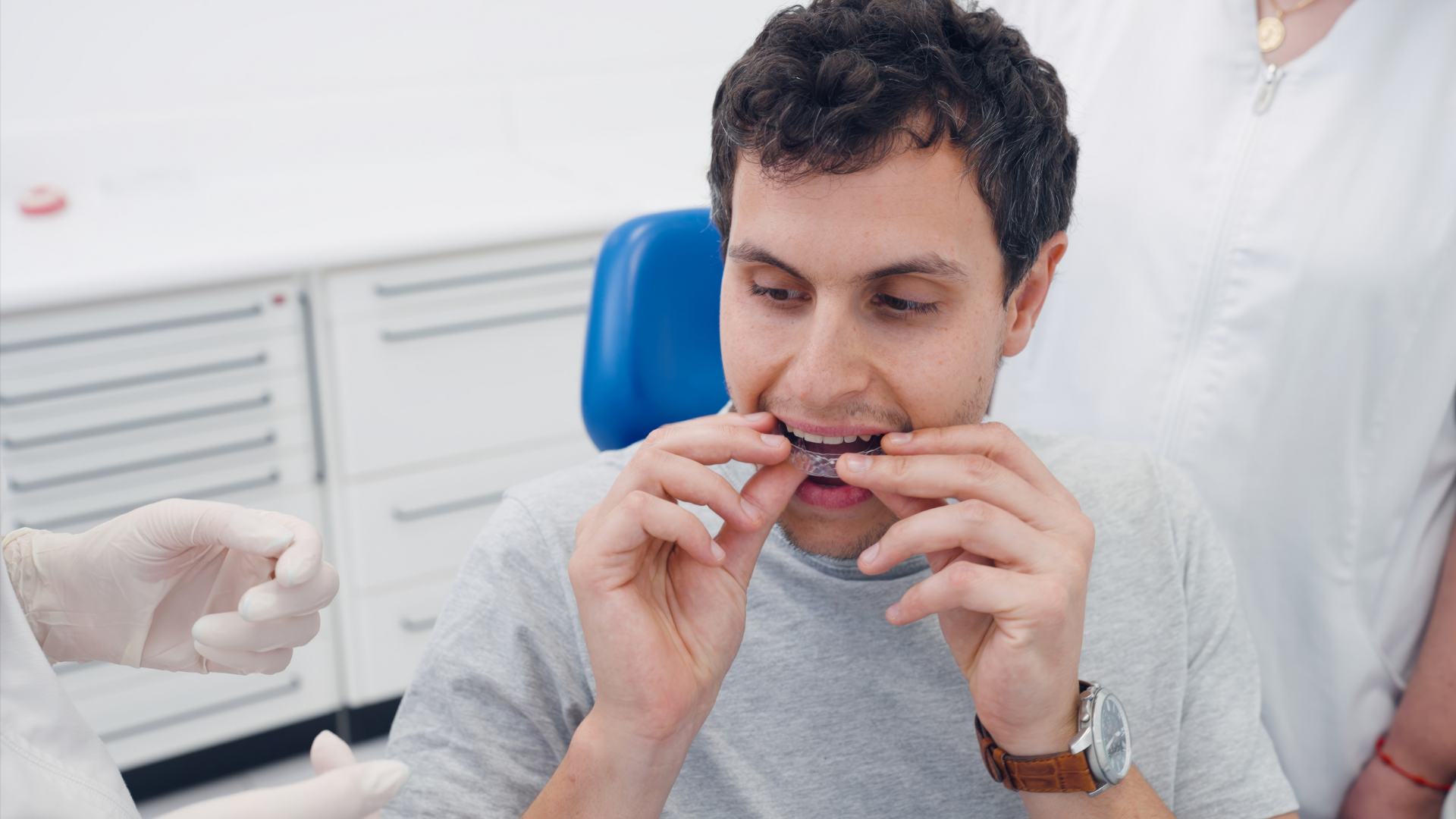
Most patients switch trays every one to two weeks, wearing each set 20 to 22 hours a day. Your dentist may adjust that pace based on how your teeth respond.
Can my tray count change partway through treatment?
Yes. If your teeth respond faster or slower than expected, or if refinements are needed near the end, your dentist may add trays or adjust the sequence to hit your target result.
Does Invisalign always take 12 to 18 months?
Twelve to eighteen months is the average window, but mild cases can finish in as little as six months while complex cases can run past two years. The tray count, not the calendar, is what really determines your timeline.
Practitioner Bio
Dr. Chad Abed has practiced dentistry for more than 21 years and leads treatment planning at Bryant St Dental as a Diamond Plus, Elite Top 1% Invisalign Provider. He earned his dental degree through the University of Michigan and University of Detroit-Mercy, followed by two additional years of postgraduate training in advanced oral surgery at the University of Florida and West Virginia University. Dr. Abed has presented to both patients and fellow dentists, including talks at Womenheart Palo Alto, the San Diego Dental Society, and the San Francisco Dental Society. He continues to train under leading voices in dentistry to keep his Invisalign planning current with the latest clinical techniques.
Professional bio:
bryantstdental.com/meet-the-doctor
Bryant St Dental is located at 824 Bryant St, University South, in Palo Alto, and has handled over 400 Invisalign cases annually using digital iTero scanning technology to plan tray sequences with precision from the very first visit.
Ready for Your Real Number?
Tray counts are personal, and the only way to get yours is with a scan and a plan built specifically for your bite. Whether you're expecting a quick 14-tray touch-up or a longer complex case, Bryant St Dental's Diamond Plus Invisalign team can map it out in a single visit.
Schedule your complimentary Invisalign consultation today — call (650) 327-1787 or book online to find out exactly how many trays your smile will take.
Disclaimer: This content is provided for general informational purposes only and does not constitute medical or dental advice. Tray counts, treatment timelines, and case complexity ranges discussed here are general benchmarks and may not reflect your individual treatment plan. Only a dentist or orthodontist, after a proper scan and evaluation, can determine the exact number of trays and duration needed for your specific case. Statistics, provider credentials, and case volumes referenced are accurate as of publication but may change over time. Always consult a qualified dental professional to discuss your personal Invisalign treatment plan before making any healthcare decisions.
Blog | Bryant St Dental