Published November 2026 | Last Updated November 2026
TL;DR:
Composite and porcelain veneers diverge over time: porcelain tends to need less upkeep across a decade, while composite is easier to repair and can be a lower-commitment first step. Decide by asking what each will require from you in year one, year five, and year ten, and how it looks on day one.
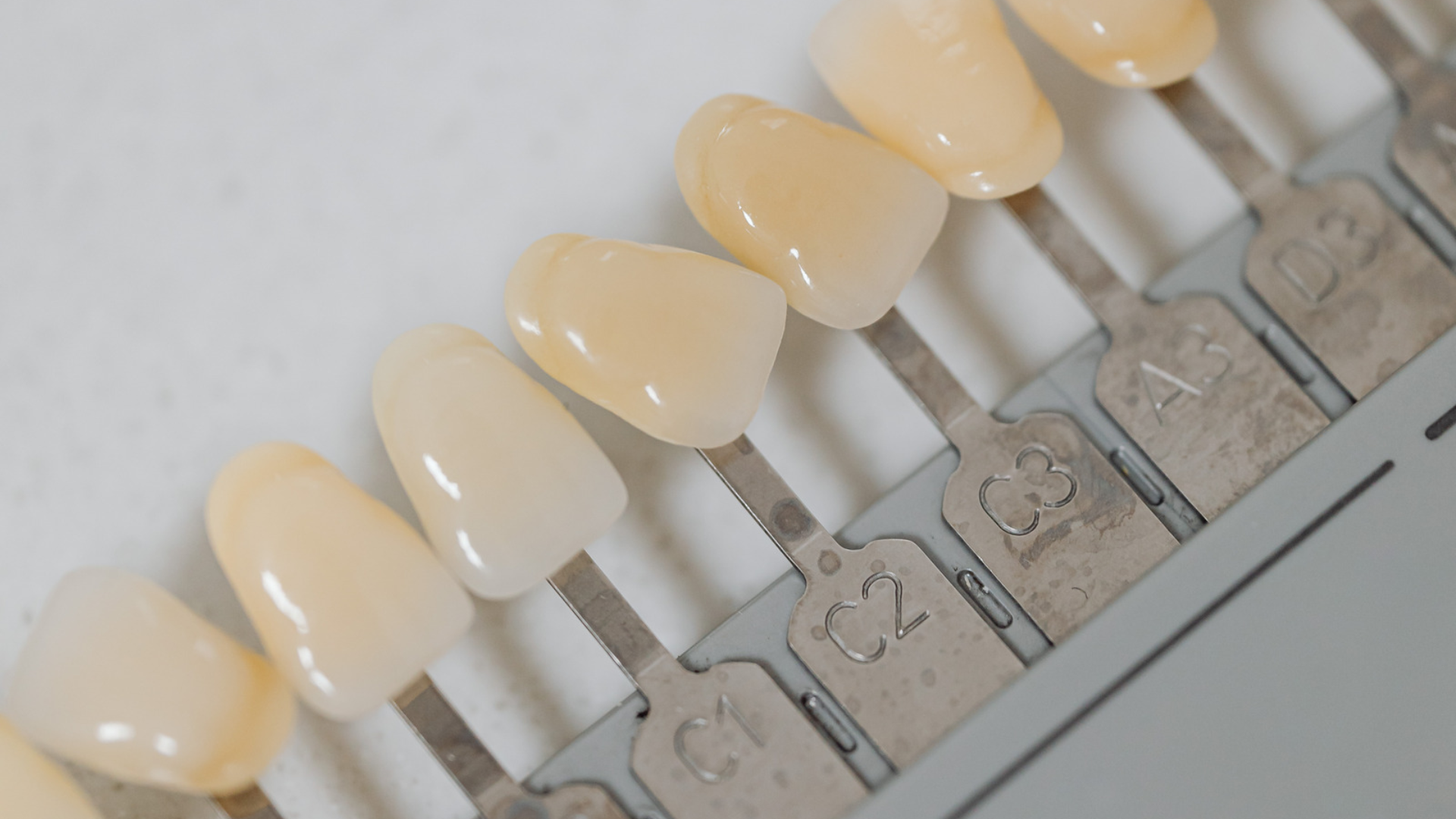
Composite and porcelain veneers look similar on day one but can diverge over time: porcelain usually needs less upkeep over a decade, while composite is easier to repair and can be a lower-commitment first step. Choose based on what each will require from you in years one, five, and ten.
Quick Answer: Ask what each material needs over time, as well as how it looks at delivery. Porcelain requires a bigger decision up front, and composite requires more maintenance later.
Key Takeaways
- At two years in a randomized trial, composite and ceramic veneers had similar survival (93.4% versus 95%), but composite showed more staining and roughness
- By ten years, the gap opens: in a practice-based study, the annual failure rate by success analysis was about 10% for direct composite and 2.8% for ceramic
- A systematic review put the 10-year cumulative survival of porcelain laminate veneers at 95.5%
- A chipped composite veneer can often be repaired, while a chipped porcelain veneer usually means replacing it
- The ADA says veneer treatment isn't reversible because enamel is removed, and composite veneers may need less of it
Weighing veneers? Book a cosmetic consultation at Bryant Street Dental or call (650) 327-1787.
Most veneer comparisons stop on the day of delivery, when both materials look good. This one follows the veneer for ten years.
Bryant Street Dental offers
cosmetic dentistry services in Palo Alto, and this guide is for patients who've already decided veneers are worth considering. If you're still comparing veneers with bonding or whitening, see our guide to
veneers, bonding, and whitening.
How Do Composite and Porcelain Veneers Compare Over Time?
Early on they perform alike, and the gap opens with time: by five and ten years the studies favor porcelain on survival, while composite keeps the advantage in repairability. That's why a quick comparison can make the two look closer than they are.
| When | Composite veneers | Porcelain veneers |
|---|---|---|
| Day one | Built and shaped directly on the tooth, usually in one visit | Made in a lab and bonded on, usually over two visits |
| Year 2 | Survival similar to ceramic in a randomized trial, with frequent staining and roughness | Survival similar to composite in that trial |
| Year 5 | About 82% survival in one meta-analysis | About 97% pooled survival in a 2025 meta-analysis |
| Year 10 | Annual failure rate about 10% by success analysis | About 95.5% cumulative survival; annual failure rate about 2.8% by success analysis |
| If one chips | Often repaired in the chair | Usually replaced |
In the 2024 randomized trial, survival at two years was 93.4% for direct composite and 95% for ceramic, and staining and roughness were frequent on the composite veneers (randomized trial). A 2025 meta-analysis found pooled survival of 97.12% at five years for ceramic laminate veneers (2025 meta-analysis), and a 2023 composite meta-analysis reported about 82% at five years, according to a clinician's summary of the paper.
At ten years, a practice-based evaluation found annual failure rates of 10% for direct composite and 2.8% for ceramic by success analysis, and 4.1% versus 1.2% by survival analysis (10-year evaluation). A systematic review of porcelain laminate veneers reported a 10-year cumulative survival of 95.5% (systematic review).
"Survival" means the veneer is still in place and "success" means it hasn't needed repair or replacement, which is why the two measures differ and why a composite veneer can survive for years while needing touch-ups along the way. A 2026 systematic review describes composite veneers as less durable but reparable (systematic review).
What Will Each Veneer Need From You?
Both need the basics: brushing, flossing, regular checkups, and avoiding hard objects. Composite adds more polishing and touch-ups as it picks up stain, and porcelain asks you to protect it from stress, such as grinding, since a chip usually means replacement.
- Daily care for both. Our veneers page says to brush and floss twice a day, see your dentist for regular checkups and cleanings, and avoid chewing hard objects like ice or nuts.
- Composite upkeep. Expect polishing and the occasional repair, and ask how your habits with coffee, tea, and red wine will show over time.
- Porcelain protection. If you grind or clench, tell your dentist, who may recommend a night guard.
- Whiten first. Bleaching gel doesn't change the color of composite or porcelain once it's on the tooth, so brighten your natural teeth before the shade is chosen.
Is Composite a First Step Toward Porcelain, or a Dead End?
It can be a first step, depending on your teeth. Composite may need less enamel removal, which can leave porcelain open as a later option, but what's actually possible later is your dentist's call after a thorough exam of your teeth, gums, and bite.
The ADA says composite veneers may require less enamel removal and fewer visits, and that veneer treatment is not reversible because enamel is removed (ADA MouthHealthy). Because porcelain removes a small amount of enamel that doesn't grow back, some patients prefer to start with composite and decide later.
That path has limits: replacing composite with porcelain later still means preparing the tooth, and not every tooth is a good candidate for either material. The ADA also warns that placing veneers over unhealthy teeth may worsen existing dental problems, so an exam comes first.
A rough guide to the decision:
- Consider composite first if you want a smaller, more conservative change, or a way to see the result before committing to enamel removal.
- Consider porcelain first if you want the longest-lasting result and accept irreversible enamel removal.
This article is general information, not dental advice. The right veneer depends on your teeth, gums, bite, and goals, so decide with your dentist after an exam.
How Do You Start With Veneers in Palo Alto?
Book an exam so a dentist can check your teeth and gums and talk through both materials for your situation. Bring photos of the look you want, and ask what each material will need in year five and year ten.
What to do first:
- Bring photos. Show the look you want, so the conversation starts from something specific.
- List your habits. Grinding, coffee, tea, red wine, and anything else that stains or stresses teeth.
- Ask about the long run. What each material will need in year five and year ten, and what happens if one chips.
- Ask which materials the office places. And for which teeth.
- Where we are. 824 Bryant St, University South, Palo Alto, CA 94301. Open Monday to Thursday, 9:00 am to 5:00 pm. Call (650) 327-1787, or read about our dental veneers.
Frequently Asked Questions
Which is better, composite or porcelain veneers?
Over a decade, porcelain usually needs less upkeep and has the stronger survival record, while composite is easier to repair and can be a more conservative first step. Your exam and your habits decide which fits.
How do composite and porcelain veneers compare after five and ten years?
At five years, one meta-analysis reported about 82% survival for composite and another about 97% for ceramic. At ten years, porcelain laminate veneers had a cumulative survival of 95.5%, and a practice-based study found higher annual failure for composite.
What happens if a veneer chips?
A chipped composite veneer can often be repaired in the chair, while a chipped porcelain veneer usually requires replacement. Ask your dentist how they'd handle a chip for the material you're considering.
Can I start with composite and switch to porcelain later?
Possibly. Composite may need less enamel removal, which can leave porcelain open later, but replacing it still means preparing the tooth, and the ADA says veneer treatment isn't reversible. Your dentist can tell you whether it fits your teeth.
Do I need a night guard with veneers?
If you grind or clench your teeth, your dentist may recommend one, since stress is the main threat to a veneer that can't easily be repaired. Tell your dentist about grinding at your exam so it's part of the plan.
Should I whiten my teeth before getting veneers?
Yes, usually. Whitening gel doesn't change the color of composite or porcelain once it's placed, so whiten first and have the veneers matched to the shade you want to keep.
How do I start with veneers in Palo Alto?
Call Bryant Street Dental at (650) 327-1787 or use our contact page to book an exam. Bring photos of the look you want, and ask what each material will need over time.
Trust & Authority
About the Dentist
Dr. Chad Abed leads Bryant Street Dental in Palo Alto and has more than 21 years of experience, according to the practice.
Meet the doctor.
A veneer is a ten-year decision, so I'd rather you hear what year five looks like before you choose. We see patients from across Palo Alto at 824 Bryant St, 94301.
Summary and Next Step
Composite and porcelain veneers look alike at first and diverge with time, so choose by what each will need in years one, five, and ten. Decide with a dentist after an exam, and whiten first if you plan to.
Ready to talk through your options?
Book a cosmetic consultation at Bryant Street Dental, 824 Bryant St, Palo Alto, CA 94301, or call (650) 327-1787.
This is educational content, not a diagnosis. Whitening safety, product choice, and timing during Invisalign vary by individual and by treatment plan. A comprehensive evaluation by Dr. Chad Abed is required to determine whether and when whitening is right for you.
Blog | Bryant St Dental