Getting flexible dentures typically takes three to four visits over about three to four weeks: an exam and impressions, a lab fabrication period, a fitting where the nylon base is warmed and shaped to your mouth, and a short follow-up to check comfort and bite. Most patients notice the greatest difference in comfort within the first week of wearing them.
Quick Answer: Exam and mold first, a few weeks of lab time, then a fitting where the denture is warmed and shaped to fit, followed by a quick check-in.
In this article:
- What actually happens at each appointment
- What makes flexible dentures feel different day to day
- Five questions patients ask us most before committing
- Whether this is the right fit for your situation
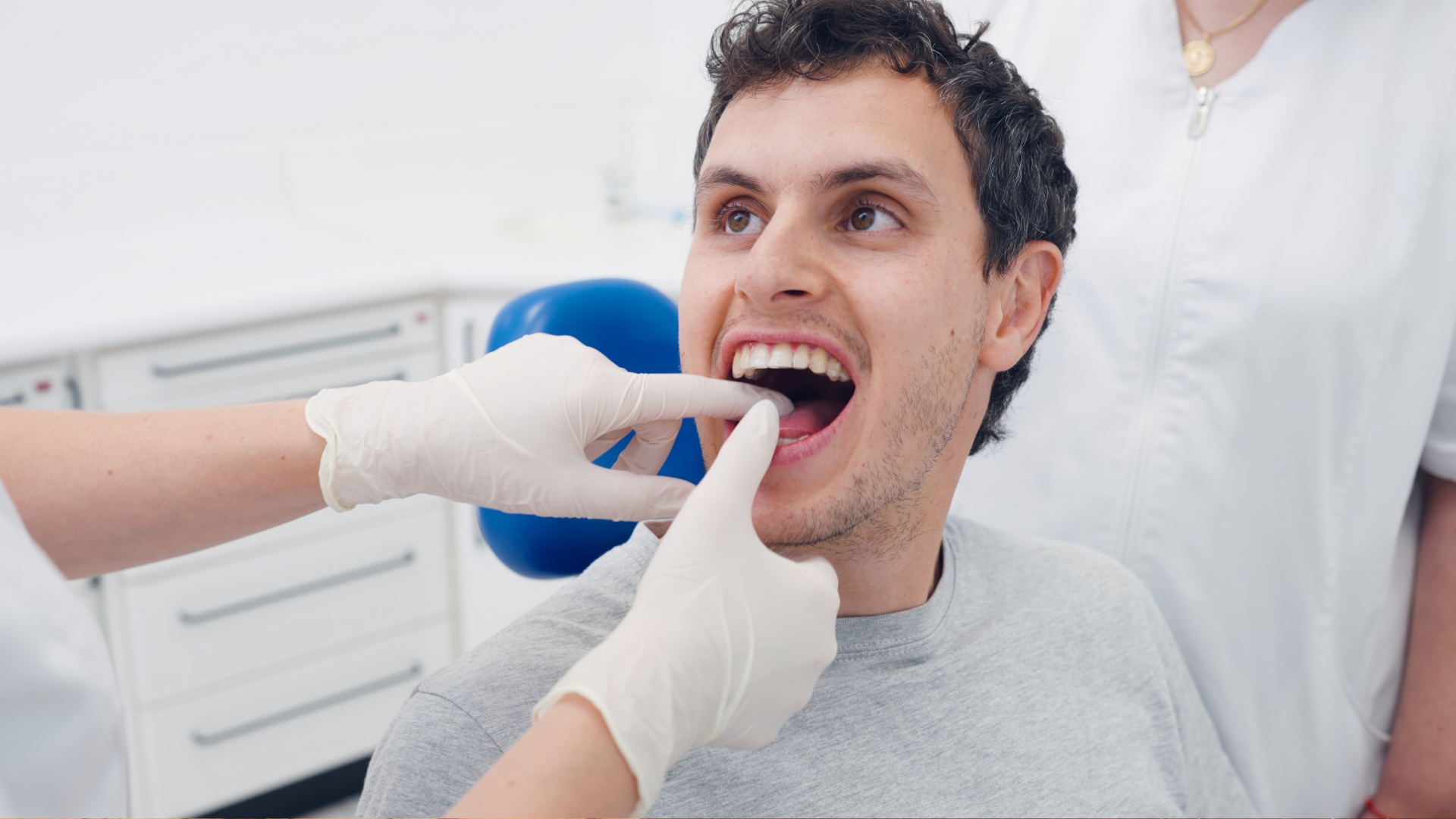
The assistant dips your new denture into a small basin of warm water before handing it over. That thirty-second step matters more than it looks like it should: it softens the nylon base to its working temperature so it can flex and settle against your gums instead of sitting rigid against them.
That moment is actually the third step in a process that starts weeks earlier. Our
full and partial dentures page covers the option itself; here's what the process looks like from start to finish.
What Happens at Each Appointment?
The process runs through four distinct stages, and each one exists for a specific reason, not just as a formality before you get your denture.
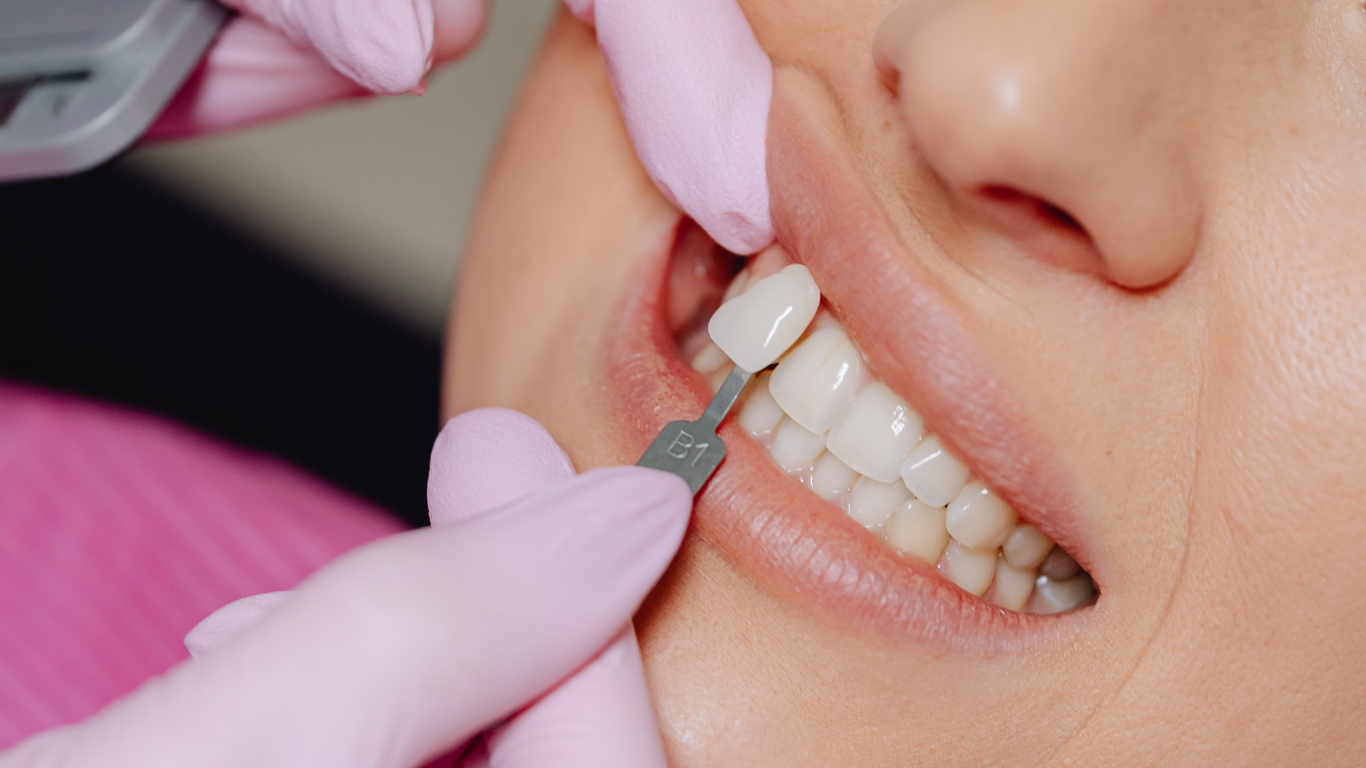
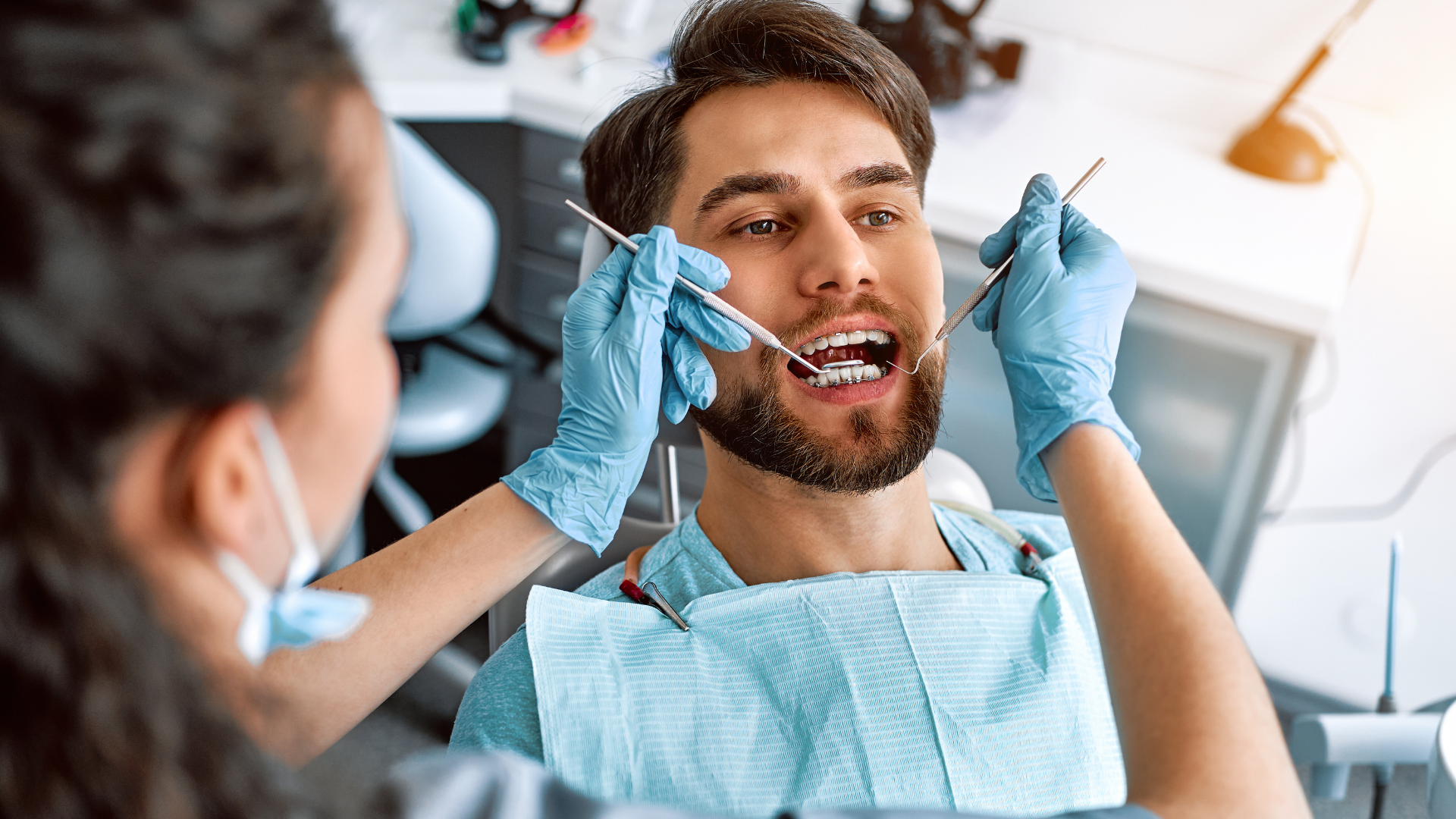
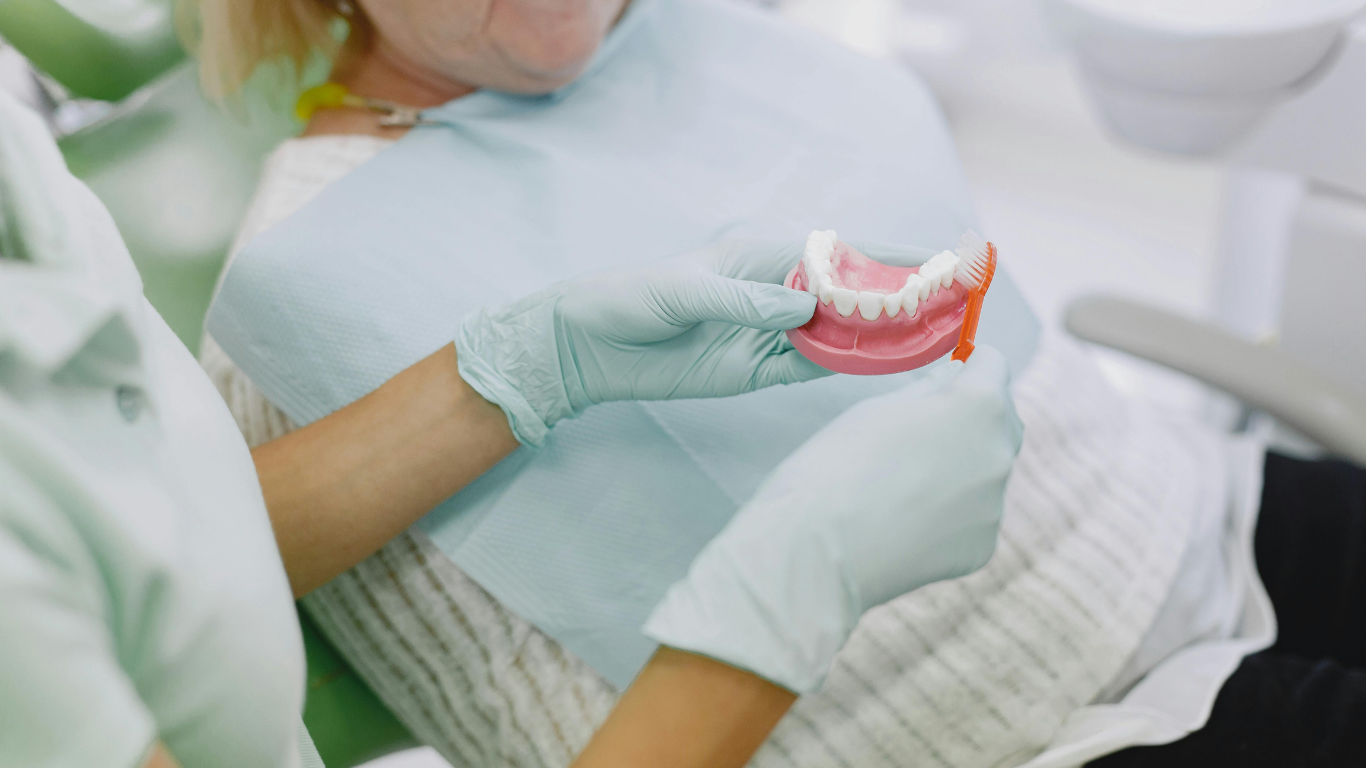
- Exam and impressions. Your dentist checks your remaining teeth, gum tissue, and bite, then takes an impression (usually alginate, sometimes polyvinyl siloxane) and a shade match for the gum-colored base. Little to no tooth preparation is needed for a flexible partial, which is one reason the first visit tends to be short.
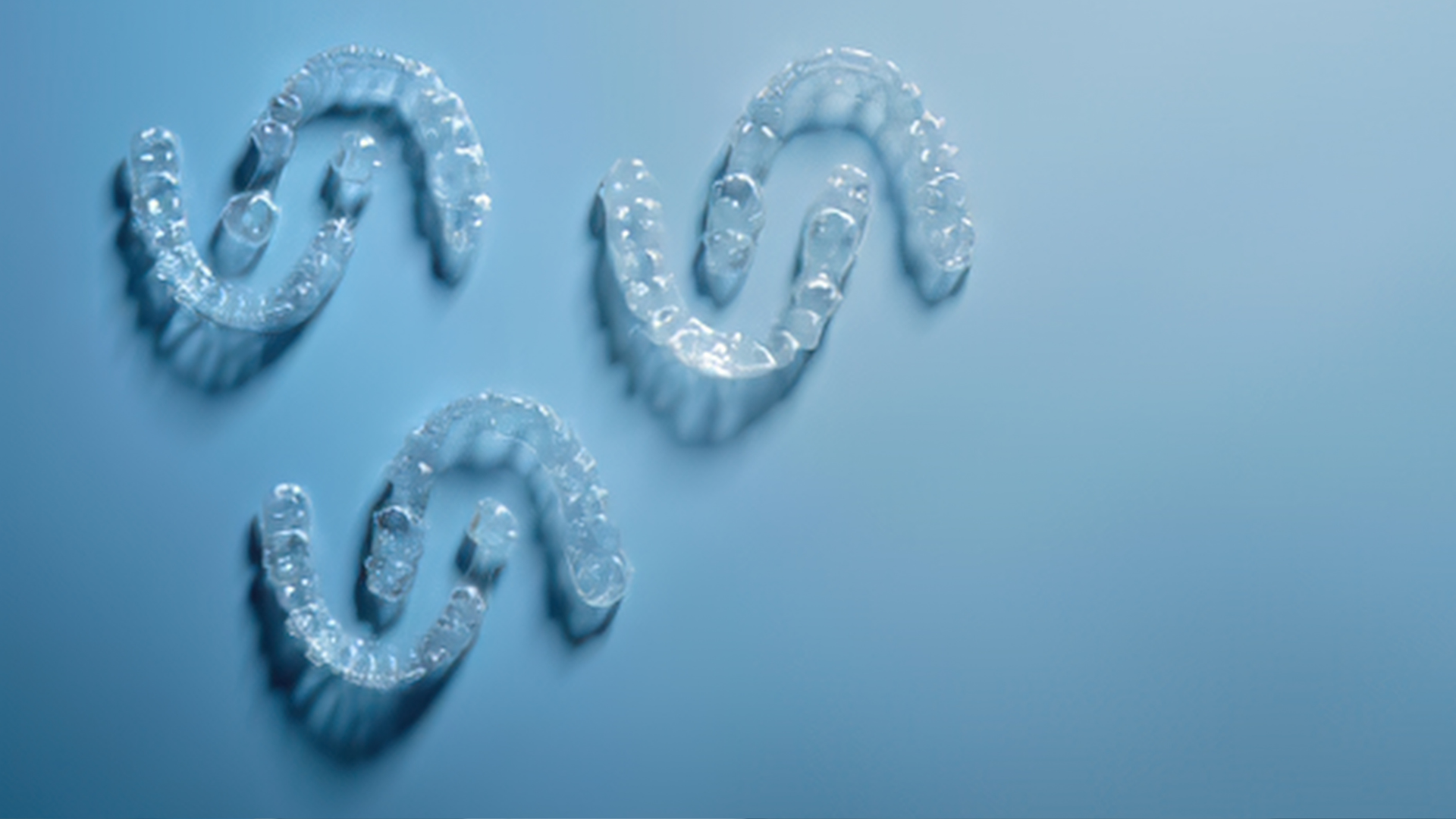
- Lab fabrication. Your impression goes to a dental lab, where technicians survey the model, design clasp placement around your existing teeth, and injection-mold the nylon thermoplastic base. This stage takes the bulk of the three-to-four-week timeline and doesn't require another office visit.
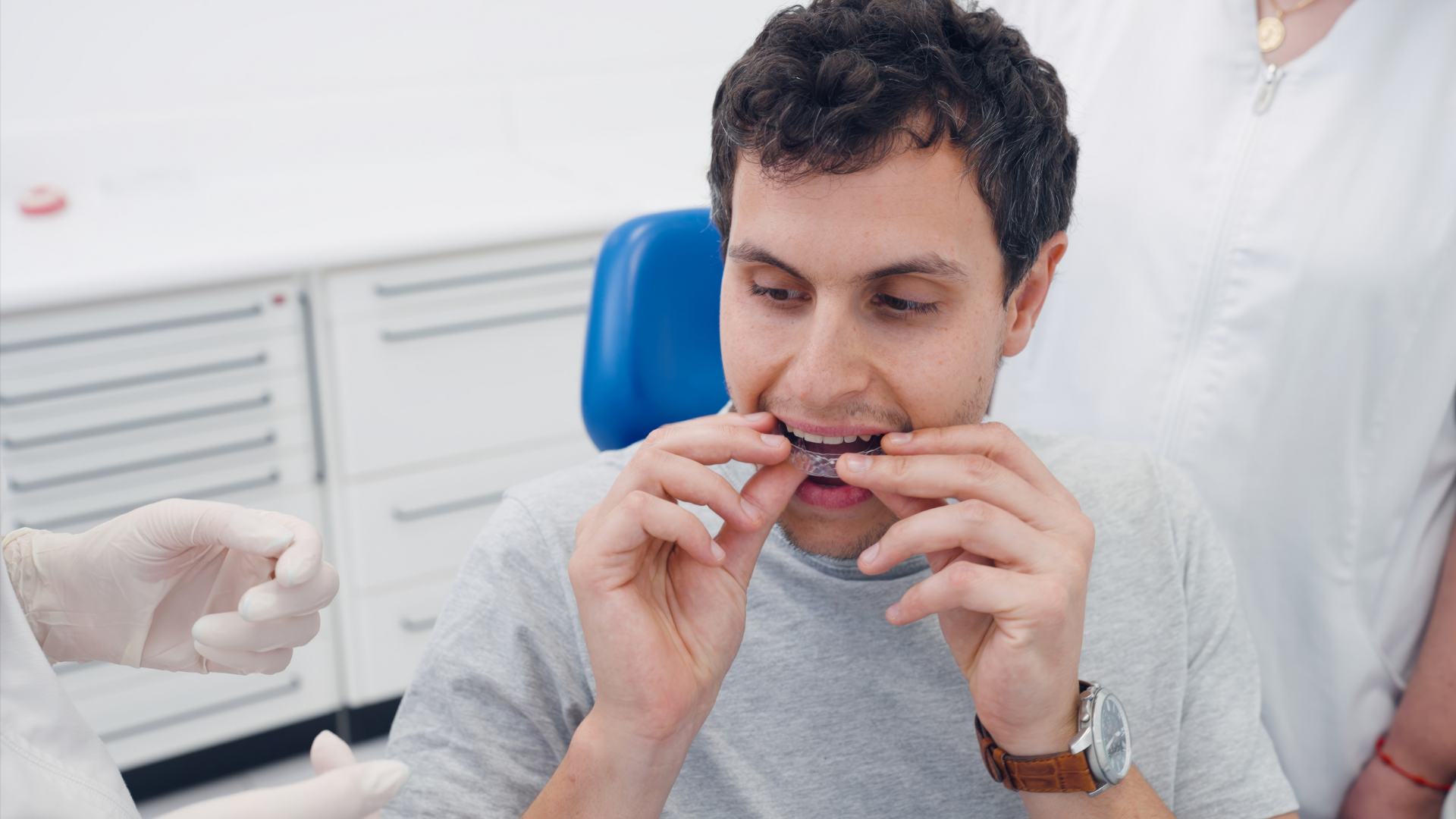
- The fitting. This is the warm-water step described above. Once softened, the denture is seated, and your dentist checks contact points, clasp tension, and bite alignment, making small adjustments on the spot.
- Follow-up. A short check-in a week or two later catches any sore spots or fit issues before they become a bigger problem. Minor relief adjustments can usually be done chairside.
Most of the waiting happens at the lab, not in the chair.
What Makes Flexible Dentures Feel Different Day to Day?
Flexible dentures are made from a biocompatible nylon resin rather than the rigid acrylic used in traditional partials, and that single material difference changes a lot about how they fit and feel. Because the base is tissue-borne, meaning it rests on your gums rather than clasping onto small tooth rests the way rigid partials do, patients often describe them as feeling lighter and less bulky. The gum-colored clasps are also a real cosmetic advantage: no visible metal when you smile.
There's an honest trade-off worth naming here. Unlike acrylic dentures, flexible partials cannot be easily relined in the traditional way if your mouth changes shape over time, and clasps should never be adjusted at home, since heat or pressure can permanently distort the nylon. A 2025 systematic review of flexible and non-metal clasp dentures found they perform well for esthetics and comfort, while also noting that fit problems typically call for professional evaluation rather than a quick home fix (MDPI, 2025). That's not a reason to avoid them, just a reason to call us rather than troubleshoot on your own if something feels off.
Signs it's worth scheduling a check:
- Sore spots that don't ease up after the first few days
- A clasp that feels looser or tighter than at your fitting
- Any noticeable change in how your bite meets
Frequently Asked Questions
How long does the whole flexible denture process take?
Most cases run three to four weeks from the first impression to the final fitting, similar to traditional dentures. The lab fabrication stage takes up most of that time; you're not in the chair for weeks, just waiting on the lab.
Do flexible dentures hurt to wear?
Some initial adjustment is normal, as with any new denture, but the flexible nylon base tends to feel less bulky than a rigid acrylic base. Persistent soreness after the first week or two isn't normal and is worth a follow-up visit.
Can I adjust a flexible denture myself if it feels tight?
No. Heat or pressure applied at home can permanently distort the nylon material. If a clasp feels off, schedule an evaluation instead of bending or reshaping it yourself.
Are flexible dentures a permanent replacement for missing teeth?
They're a removable option, not a permanent one like an implant. Many patients use them as a comfortable, lower-commitment solution, sometimes as a step toward or alongside other restorative work.
What's the difference between a flexible denture and a regular removable partial?
The main difference is the base material: nylon thermoplastic versus rigid acrylic. Flexible partials use gum-colored clasps and a tissue-borne fit, so they tend to look less noticeable and feel less rigid, though they can't be relined the same way acrylic partials can.
Trust & Authority
About the Dentist
Dr. Chad Abed has practiced dentistry for more than 21 years, following his education at the University of Michigan and the University of Detroit-Mercy, plus two additional years of postgraduate training in advanced oral surgery at the University of Florida and West Virginia University. He built his early career in private practice in Manhattan before founding Bryant St. Dental in Palo Alto.
Read more about Dr. Abed.
We fit removable partials for patients across Palo Alto and University South, and the fitting appointment (that warm-water step) is usually the part patients remember most, because it's the moment the denture actually starts to feel like theirs.
Summary and Next Step
Getting a flexible denture is a short, predictable process: an exam and impression, a few weeks of lab work, a fitting where the material is warmed and shaped to you, and a quick follow-up. The material itself, not just the process, is what makes the day-to-day experience different from a traditional rigid partial.
Wondering if a flexible partial fits your specific situation?
Schedule a consultation with Bryant St. Dental, 824 Bryant St, University South, Palo Alto, CA 94301.
This is educational content, not a diagnosis. Treatment timelines, fit, and suitability for flexible dentures vary by individual. A comprehensive evaluation by Dr. Chad Abed is required to determine what's right for your teeth.
Blog | Bryant St Dental