In Palo Alto, cosmetic dentistry is not just about enhancing your smile; it's about transforming your overall dental health and confidence. Expert Palo Alto dentists like Dr. Chad Abed offer a range of advanced procedures tailored to meet individual needs and preferences. This guide delves into each service, highlighting its process and benefits.
Meet Dr. Chad Abed – Your Trusted Palo Alto Dentist
If you’re searching for a knowledgeable and compassionate dentist in Palo Alto, meet Dr. Chad Abed. With years of experience in the field, Dr. Abed stands out due to his dedication to providing high-quality dental care. His expertise extends across all areas of dentistry, with specialized training in cosmetic and orthodontic treatments.
Dr. Abed is committed to creating a welcoming and comfortable environment, taking the time to listen to patients' concerns and tailor treatments that meet their individual needs. Choosing Dr. Abed means opting for a dentist who not only cares about your smile but also prioritizes your overall oral health.
When it comes to improving the appearance of your teeth, you may have heard the terms "cosmetic dentistry" and "aesthetic dentistry" used interchangeably. However, there are significant differences between these two dental procedures.
Cosmetic dentistry focuses on enhancing the appearance of your teeth using procedures such as teeth whitening and veneers. On the other hand, aesthetic dentistry not only aims to improve the look of your teeth but also addresses any underlying dental problems. This approach results in a more reliable and long-lasting solution for your dental needs.
Aesthetic dentistry incorporates the latest techniques and technologies to give you a more natural-looking and healthy smile. This can involve procedures such as dental implants, orthodontics, and gum contouring, which are less invasive than traditional cosmetic dentistry procedures.
Aesthetic dentistry can fix a range of dental issues such as misaligned teeth, gaps between teeth, bite problems, and discolored teeth. Additionally, it can restore teeth that are decayed, broken, cracked, or chipped, as well as replace missing teeth.
When considering which procedure is right for you, it is best to consult with your dental professional. At
Bryant St. Dental, our experienced dentist, Dr. Abed, will conduct a thorough oral examination and determine the best solution for your particular dental needs.
Regardless of the procedure you undergo, maintaining good oral hygiene and regularly visiting your dentist are essential for the longevity of your dental work. So, be sure to follow a strict oral hygiene routine and schedule regular dental visits to keep your smile looking healthy and beautiful.
Cosmetic dentistry is a type of dental treatment that aims to improve the appearance of your teeth, gums, and bite. It includes procedures like teeth whitening, veneers, and dental implants. Cosmetic dentistry products, such as bonding agents and composites, have been growing rapidly in recent years. However, the COVID-19 pandemic, conflicts in Russia and Ukraine, and high inflation have had a cumulative impact on people’s ability to afford cosmetic solutions.
Yet despite these challenges, global cosmetic dentistry continues growing at a steady pace. By 2030, it is projected to reach a value of USD 37.05 billion, because of increasing demand for cosmetic dental treatments worldwide.
Dentists and patients alike continue to be amazed by the advancement of cosmetic and esthetic dental procedures. Read on for descriptions of the most advanced technologies in cosmetic dentistry.
Advancements in Cosmetic Dentistry Technologies
Dentists and patients continue to marvel at the rapid advancements in cosmetic and esthetic dental procedures. Here are some of the most cutting-edge technologies utilized in cosmetic dentistry today:
- Digital Smile Design: Allows dentists to plan and design a patient's smile using digital imaging software.
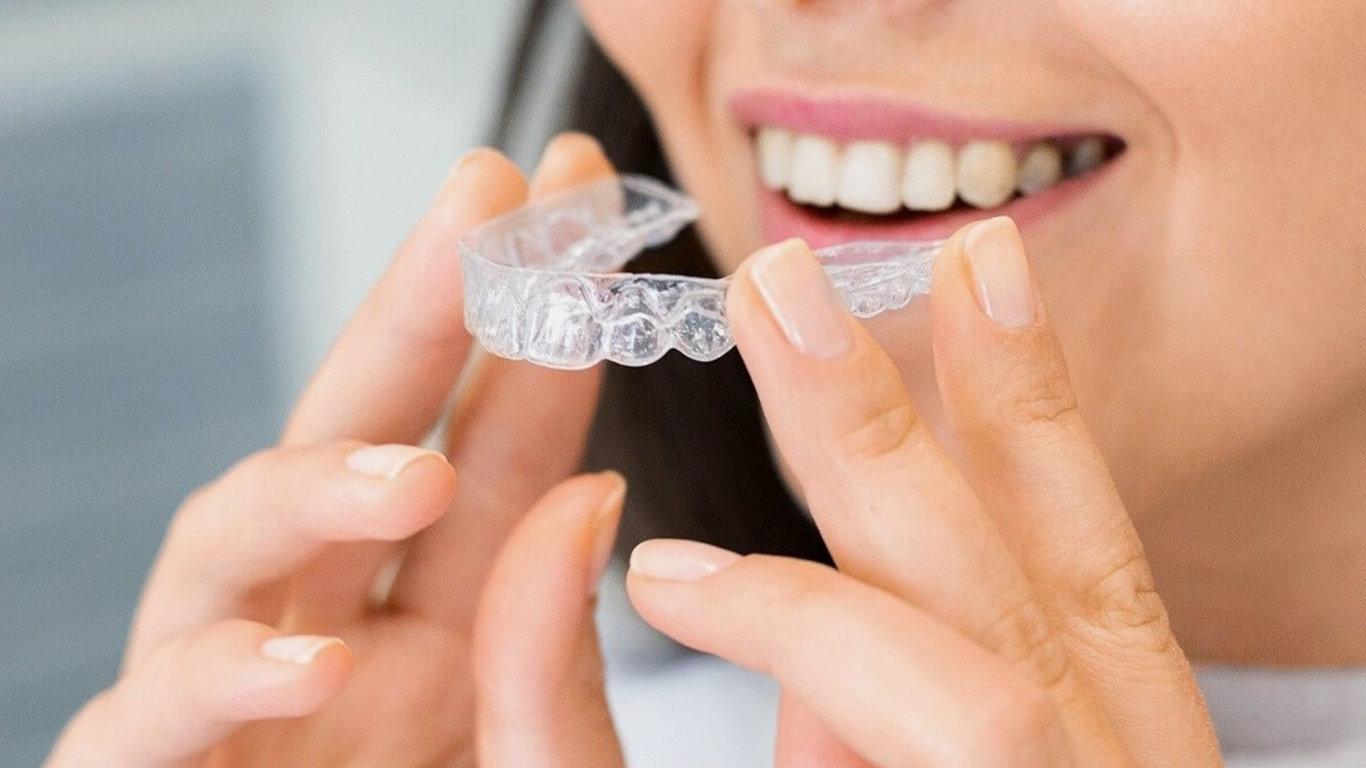
- Invisalign: Clear aligner trays that gradually straighten teeth without the use of metal braces.
- Laser Dentistry: Uses lasers to perform various cosmetic dental procedures like teeth whitening and gum contouring.
- CAD/CAM Technology: Computer-aided design and manufacturing technology that allows dentists to create custom dental restorations like crowns and veneers.
- Teeth Whitening Systems: Advanced teeth whitening systems like Zoom and BriteSmile that use light-activated gels to whiten teeth quickly.
- 3D Printing: Allows dentists to create custom dental implants, aligners, and other dental restorations using advanced 3D printing technology.
- Digital X-Rays: Digital X-rays offer faster and more precise imaging than traditional X-rays, allowing for more accurate diagnoses and treatment planning.
- Platelet Rich Plasma (PRP) Therapy: PRP therapy uses a patient's own blood platelets to promote healing and regeneration of damaged tissues in the mouth.
- CEREC: Chairside Economical Restoration of Esthetic Ceramics is a computer-aided system that enables dentists to design and fabricate dental restorations in a single visit.
- Augmented Reality: Some dental practices use augmented reality technology to create 3D models of a patient's teeth and gums, helping them to visualize what their new smile will look like.
The Benefits of Cosmetic Dentistry
Enhanced Aesthetics
At Bryant St. Dental, we offer a range of treatments tailored to meet your aesthetic goals, significantly improving the appearance of your smile.
Improved Oral Health
Our cosmetic procedures contribute to better oral health. Straightening misaligned teeth with treatments like Invisalign makes them easier to clean, reducing the risk of cavities and gum disease. Veneers and crowns protect damaged teeth from further decay.
Boosted Self-Confidence
A beautiful smile can boost your self-esteem, encouraging you to smile more and engage confidently in social and professional environments.
Choosing the Right Cosmetic Dentist in Palo Alto
Factors to Consider
When selecting a cosmetic dentist in Palo Alto, it’s essential to prioritize experience, expertise, and the comprehensive nature of services offered. At Bryant St. Dental, Dr. Chad Abed exemplifies top-tier dental care with his extensive training and proven track record in cosmetic procedures. Our clinic ensures that you receive all your dental services under one roof, maintaining a high standard of care.
Key Considerations at Bryant St. Dental
- Experience and Expertise: Dr. Abed's years of specialized training and successful case histories make him a standout choice for cosmetic dentistry in Palo Alto.
- Comprehensive Services: Whether you need a minor enhancement or a major cosmetic overhaul, Bryant St. Dental offers a full spectrum of dental treatments designed to improve both your smile and dental health.
- Consultation Process: Engage in a detailed consultation with Dr. Abed where you can discuss all aspects of the proposed treatments. This includes viewing before-and-after photos of previous patients, understanding all your treatment options, and learning how the latest advancements in cosmetic dentistry can benefit you.
- Transparency and Information: Get clear information about the costs, duration, and expected outcomes of your treatment, ensuring there are no surprises along your cosmetic dentistry journey.
Questions to Ask
- What are your qualifications and experience in cosmetic dentistry?
- Can I see before-and-after photos of previous patients?
- What are the available treatment options for my specific needs?
- How do you stay updated with the latest advancements in cosmetic dentistry?
- What is the estimated cost and duration of the treatment?
No Prep Veneers
As more people look for ways to improve the appearance of their teeth, dentists are turning to minimally invasive cosmetic procedures. One such treatment is no-prep veneers, which use all-ceramic materials like porcelain to create thin veneers that transform smiles without removing any enamel from the teeth. These veneers are becoming increasingly popular with younger patients who are seeking a dynamic smile to showcase on social media platforms like TikTok and Instagram. In this article, we'll discuss the key characteristics of no-prep veneer treatment planning, including proper diagnosis, case selection, and clinical protocols. We'll also provide photographic examples and case presentations to illustrate significant considerations. With advancements in adhesive and fabrication techniques, no-prep veneers can provide a conservative and predictable solution for those looking to enhance their smile.
Here are some popular no-prep veneer systems:
Lumineers by DenMat: Lumineers are ultra-thin veneers made from patented Cerinate porcelain that requires minimal to no tooth reduction.
- DURAthin Veneers: DURAthin Veneers are ultra-thin porcelain veneers that require minimal to no tooth reduction.
- Vivaneers: Vivaneers are ultra-thin veneers made from high-quality porcelain that requires little to no tooth reduction.
- Durathin Prepless Veneers: Durathin Prepless Veneers are ultra-thin porcelain veneers that require no tooth reduction.
- Componeer: Componeer is a direct composite veneer system that uses prefabricated veneers to restore teeth with minimal tooth reduction.
- KATANA Zirconia UTML: KATANA Zirconia UTML is a no-prep veneer system made from high-translucent zirconia material that offers excellent esthetics and strength.
- Edelweiss Direct Veneers: Edelweiss Direct Veneers are prefabricated veneers made from composite resin material that require minimal to no tooth reduction.
To ensure the patient and dentist have the same vision for a cosmetic dental procedure, a diagnostic wax-up is created and shown to the patient. This 3D tool helps patients assess what the final results will look like. By using proper techniques and state-of-the-art dental materials, dentists can correct cosmetic dental problems using minimally invasive techniques, resulting in beautiful and long-lasting results.
SmileFast integrated 3D software
SmileFast is a new development in smile design. It combines the essential facets of modern cosmetic dentistry, including orthodontics, ceramics, and composite, to help dentists and patients plan and visualize their new smile quickly.
With nearly 4,000 dentists trained in the UK, SmileFast is now available in the USA. By simplifying the process of smile delivery SmileFast helps dentists expedite treatment planning and achieve life-changing results for their patients. This means patients can reach their dream smile at an affordable price.
In cosmetic dentistry, it is important to create the look the patient wants. Your dentist will take a systematic approach to a successful one-appointment cosmetic restorative treatment that is not only gratifying for the patient but also a good achievement for the dentist.
After a full consultation and discussion of initial costs, timeframes, ongoing maintenance, and repair costs, you can proceed with choosing from your options.
A full set of clinical photos and an intraoral scan is submitted to SmileFast, where a digital mockup for a restorative solution is made. The SmileFast integrated 3D software allows you to visualize and understand the proposed options for smile makeover setup.
A putty trial stent made on the 3D wax-up model, allows the proposed smile to be transferred over your teeth using a temporary crown and bridge material. This allowed you to visualize the smile enhancement options
Whenever possible your Bryant St. dentist will encourage a minimally invasive treatment option with minimal biological risks to the teeth as compared to other, more invasive treatment options, such as ceramic veneers.
Treatment Process
You begin with a course of home tooth whitening using whitening gel worn in trays overnight for 3 weeks. Once whitening is completed, a waiting period of 2 weeks is required for composite restorations.
Within this time, the SmileFast stent was received with the chosen enamel shade. This stent improves upon all existing techniques because it prevents the composite from sticking together between the teeth and allows for up to 10 teeth to be fully restored in only one application
Achieving perfect and natural smile aesthetics with composite has always been an incredibly time-consuming and high-skill procedure; however, now with the SmileFast system offering SmileFast stents, dentists are very confident in offering this type of treatment modality to their patients.
Providing a planning pathway that shows you all the options and allows you to explore different routes to achieve a better smile is incredibly important.
You are able to build trust base decisions upon an informed understanding of the techniques, risks, and expected results.
Types of Cosmetic Dentistry Services
Explore the variety of procedures available at Dr. Abed's practice, each designed to improve both aesthetics and function:
Teeth Whitening
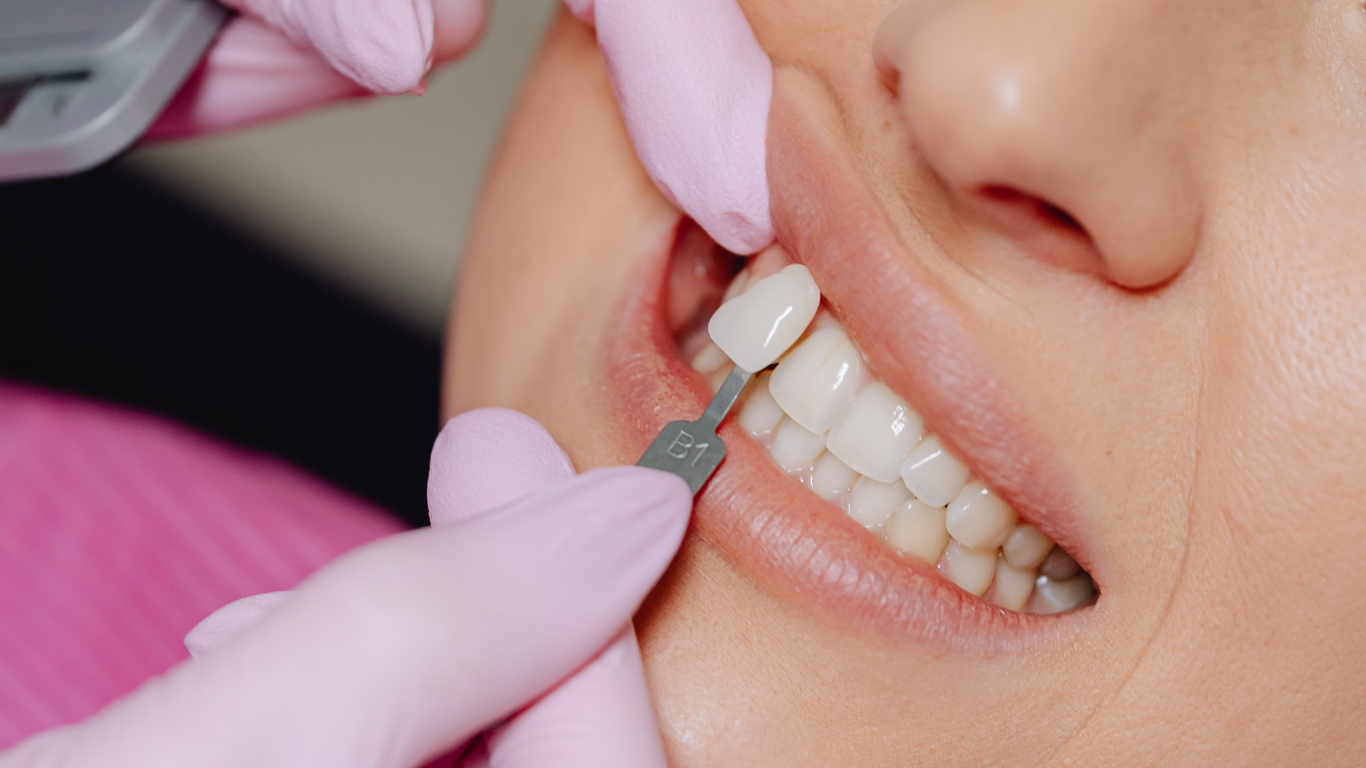
This treatment is perfect for those looking to brighten their smile quickly and effectively. Using advanced bleaching techniques, Dr. Abed can significantly lighten the shade of your teeth, helping to remove stains caused by foods, drinks, smoking, and aging. The process is safe, fast, and can be conveniently adjusted to fit your individual needs and schedule.
Veneers
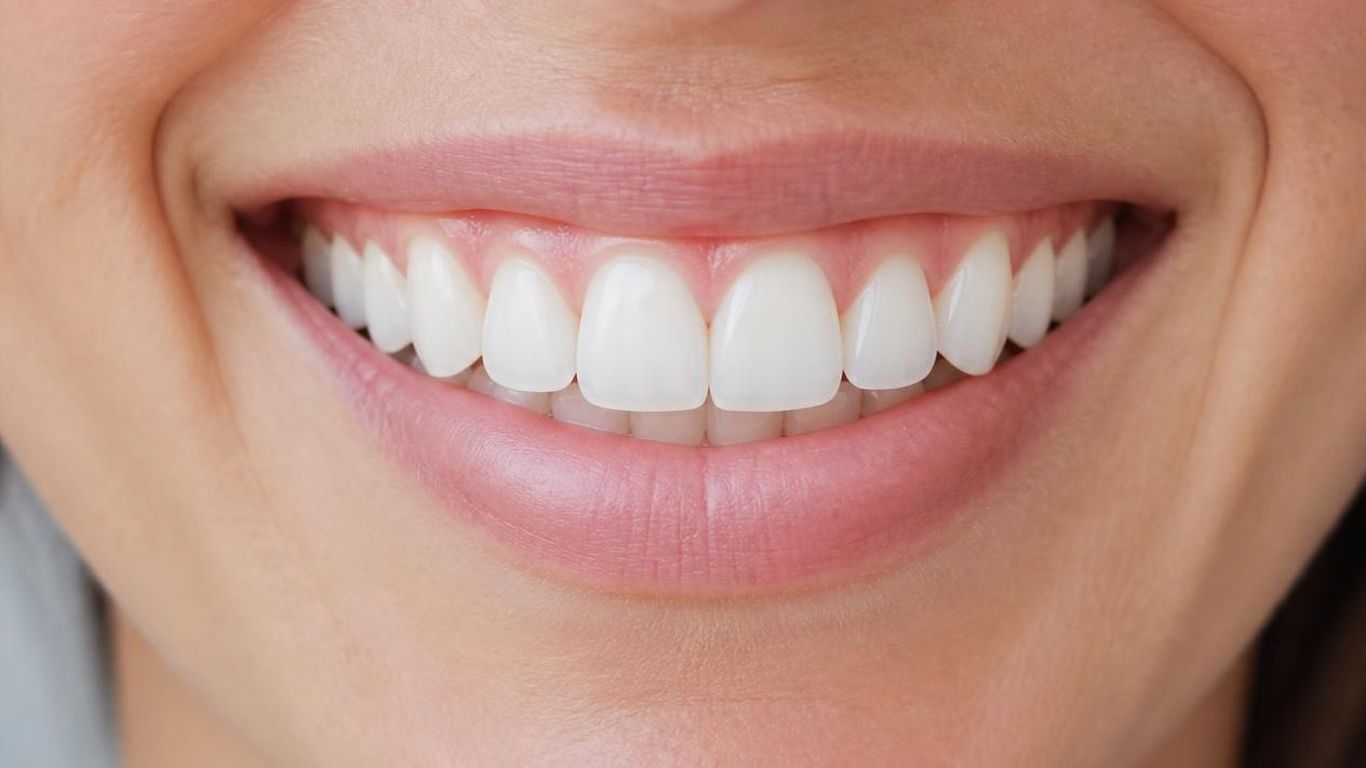
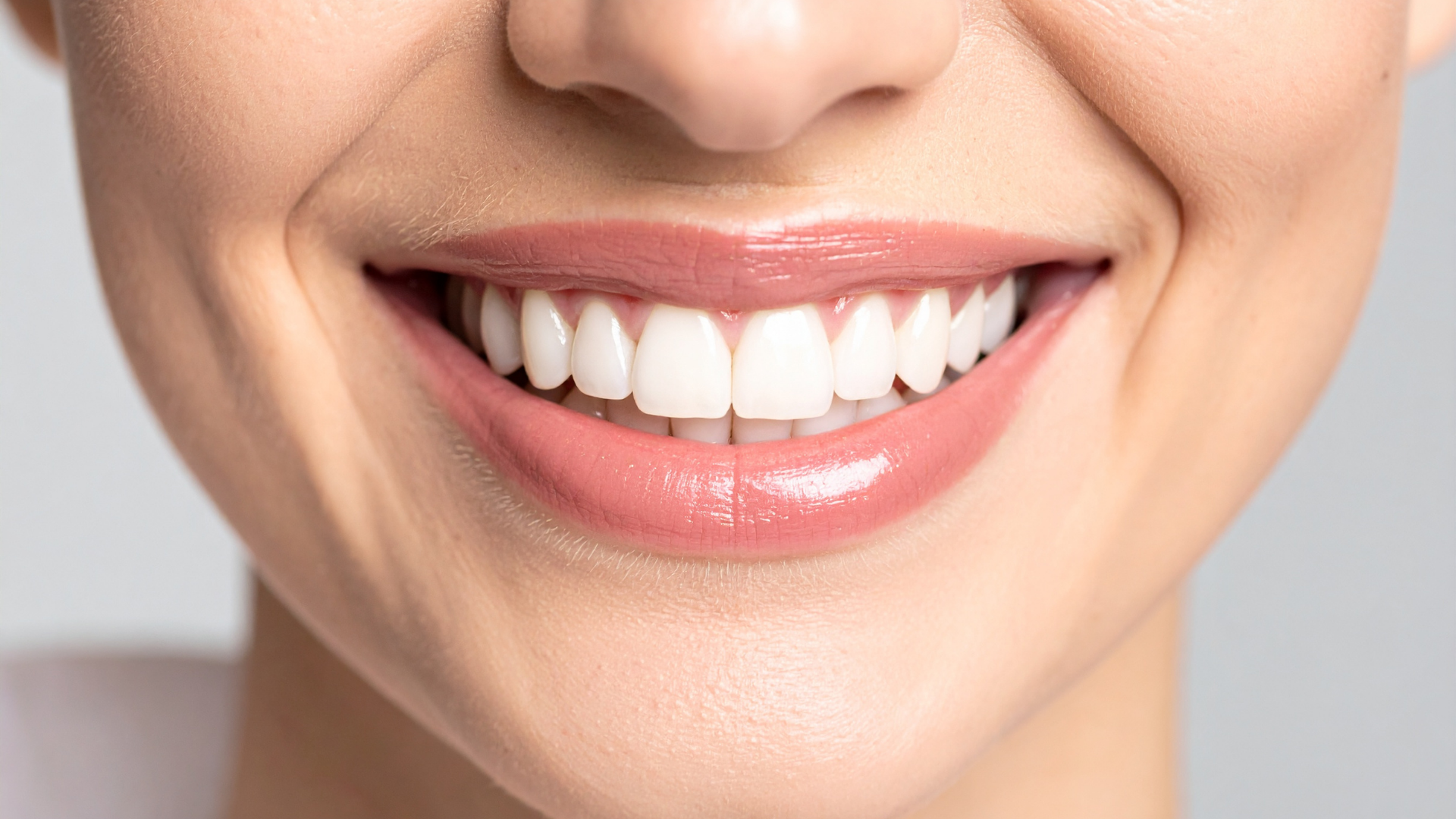
Veneers are ideal for transforming your smile with a minimal impact on your natural teeth. These thin layers of porcelain are crafted to fit perfectly over the front of your teeth, correcting issues such as gaps, stains, misshapen teeth, or minor misalignments. Dr. Abed carefully designs each set to match your facial symmetry and desired color, ensuring a natural and attractive appearance.
Bonding
Dental bonding is a versatile procedure used to correct defects or imperfections within a tooth. Dr. Abed uses a high-quality resin that matches the color of your teeth to fill gaps, change the shape of teeth, or improve the appearance of discolored teeth. This procedure is less invasive than veneers or crowns and can usually be completed in a single visit, making it a convenient option for many patients.
Invisalign
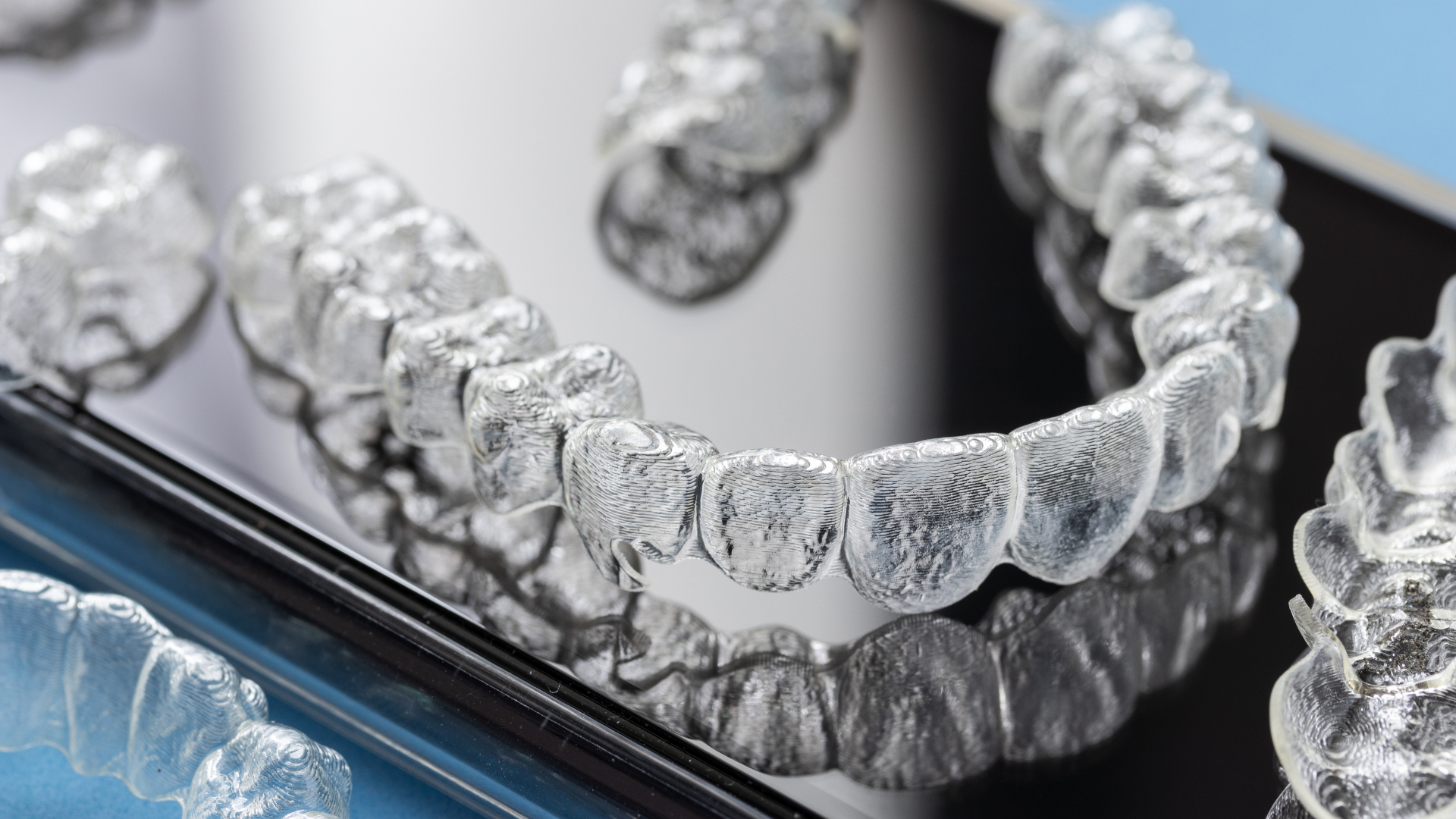
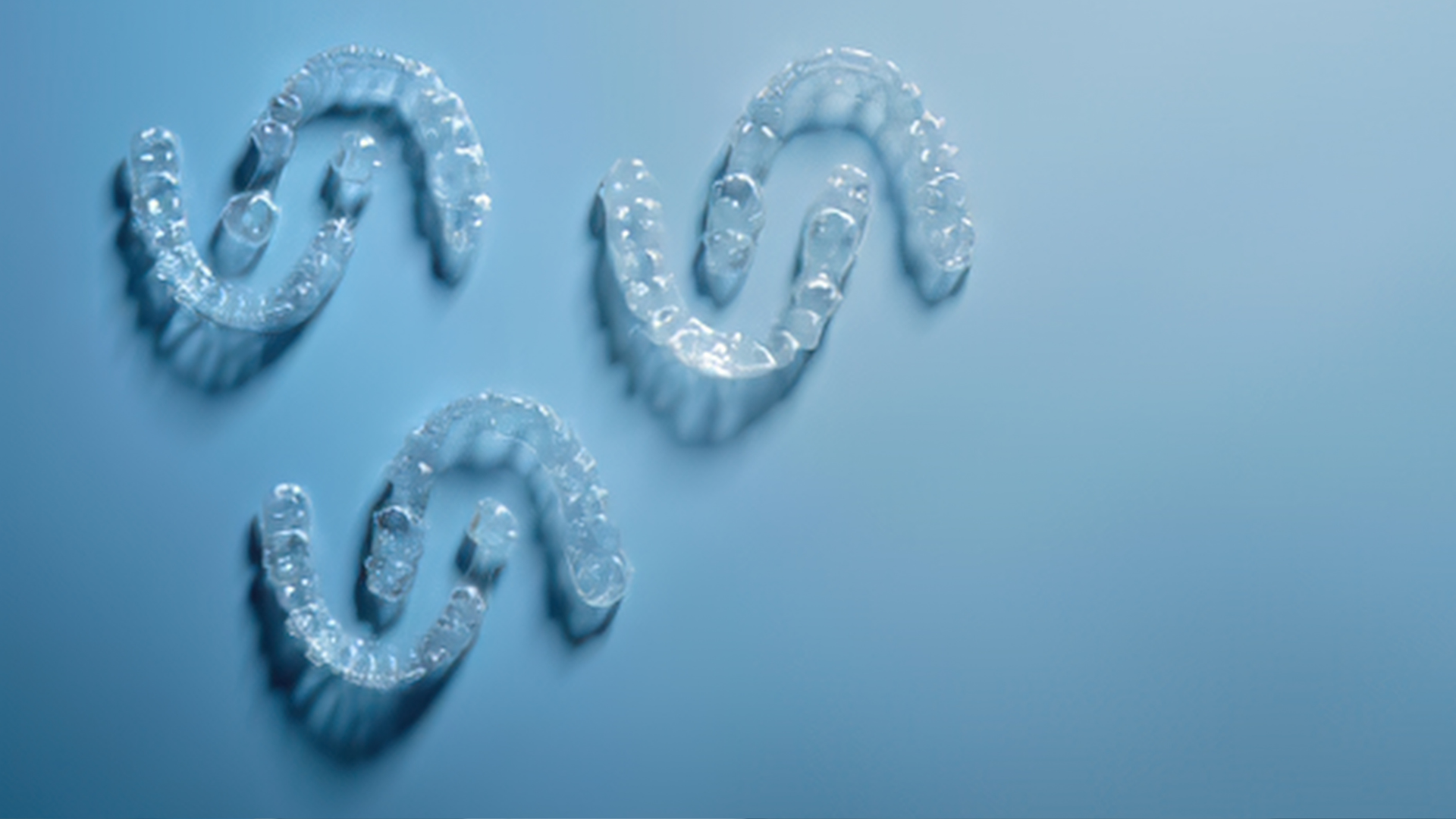
Invisalign is a revolutionary way to straighten teeth using a series of clear, custom-fitted aligners. Each aligner is worn for about two weeks before moving on to the next in the series, gradually shifting your teeth into the desired position. Dr. Abed offers a thorough assessment and custom treatment plan, utilizing Invisalign's technology to create a comfortable and effective solution tailored to your unique dental structure.
Latest Trends and Technologies in Cosmetic Dentistry
Under Dr. Abed’s care, you have access to the latest advancements in cosmetic dentistry. His practice uses state-of-the-art technology to ensure precise and quick treatments with digital imaging and laser dentistry, enhancing both the results and the patient experience.
Conclusion
Choosing the right cosmetic dental services in Palo Alto can dramatically enhance your smile and confidence. Dr. Chad Abed and his team invite you to schedule a consultation to explore how these treatments can benefit you and help you achieve the smile you've always wanted.
FAQ
What cosmetic dentistry services does Bryant St Dental offer?
Bryant St Dental provides porcelain veneers, teeth whitening, dental bonding, Invisalign, and complete smile makeovers.
How can cosmetic dentistry improve my oral health?
Cosmetic dentistry not only enhances the appearance of your teeth but also contributes to better dental alignment and overall oral health.
Is teeth whitening safe?
Yes, our teeth whitening procedures are safe and supervised by dental professionals, ensuring your enamel is not harmed.
Are porcelain veneers a permanent solution?
Porcelain veneers are long-lasting and can provide a durable solution for improving your smile when maintained properly.
How long does a typical Invisalign treatment take?
The duration of Invisalign treatment varies, typically ranging from 12 to 18 months, depending on individual needs.
Blog | Bryant St Dental