5 Things to Know Before Getting Invisalign in Palo Alto at Bryant Street Dental

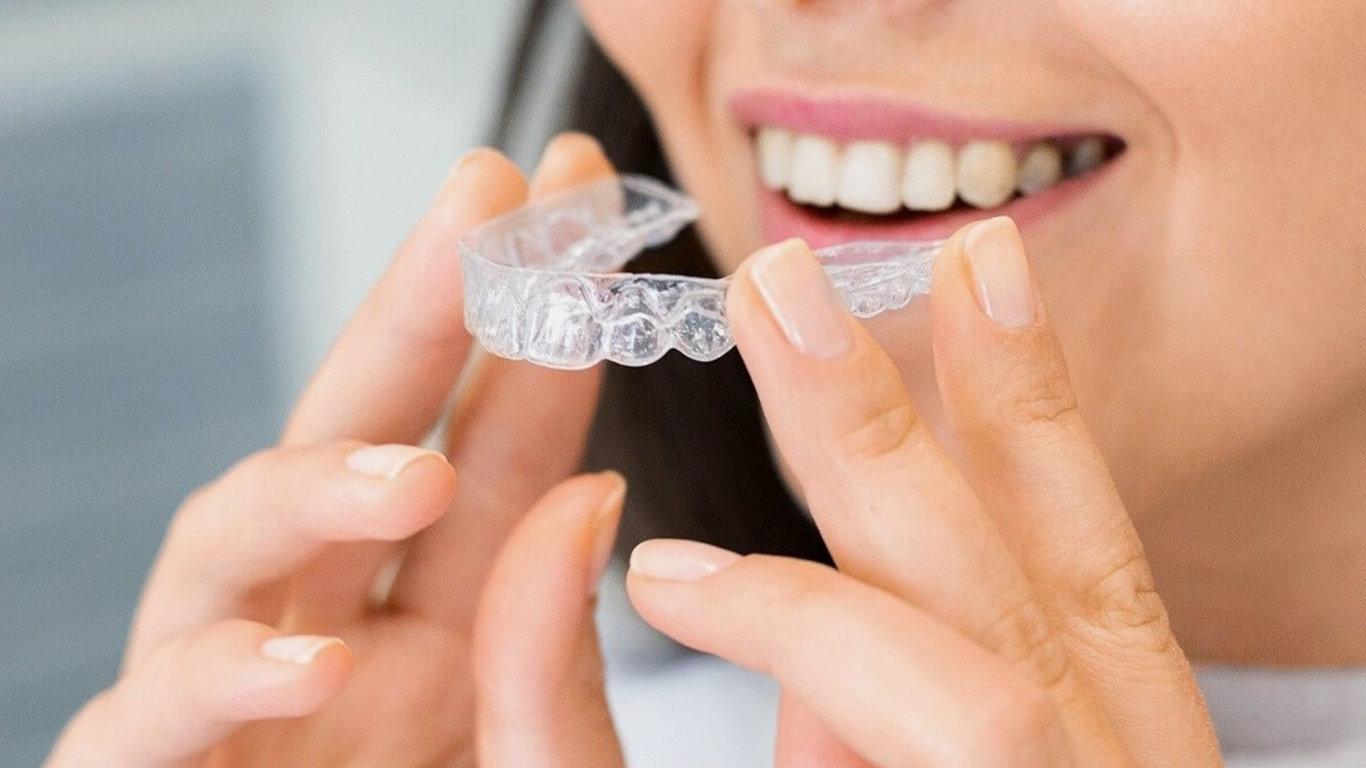
Woman with a smile holding a clear dental retainer, wearing a purple striped shirt, against a white background.

1. Consultation Appointment

So, you're thinking about getting Invisalign in Palo Alto? That's great! The first step, and it's a big one, is your consultation appointment at Bryant Street Dental. This isn't just a quick look; it's where you and the dentist really figure out if Invisalign is the right path for your smile.


They'll check out your teeth, see how your bite is doing, and talk about what you're hoping to achieve. It's also your chance to ask all those questions buzzing around your head.


What to Expect During the Consultation

  • A thorough dental examination: This includes looking at your teeth, gums, and jaw alignment.
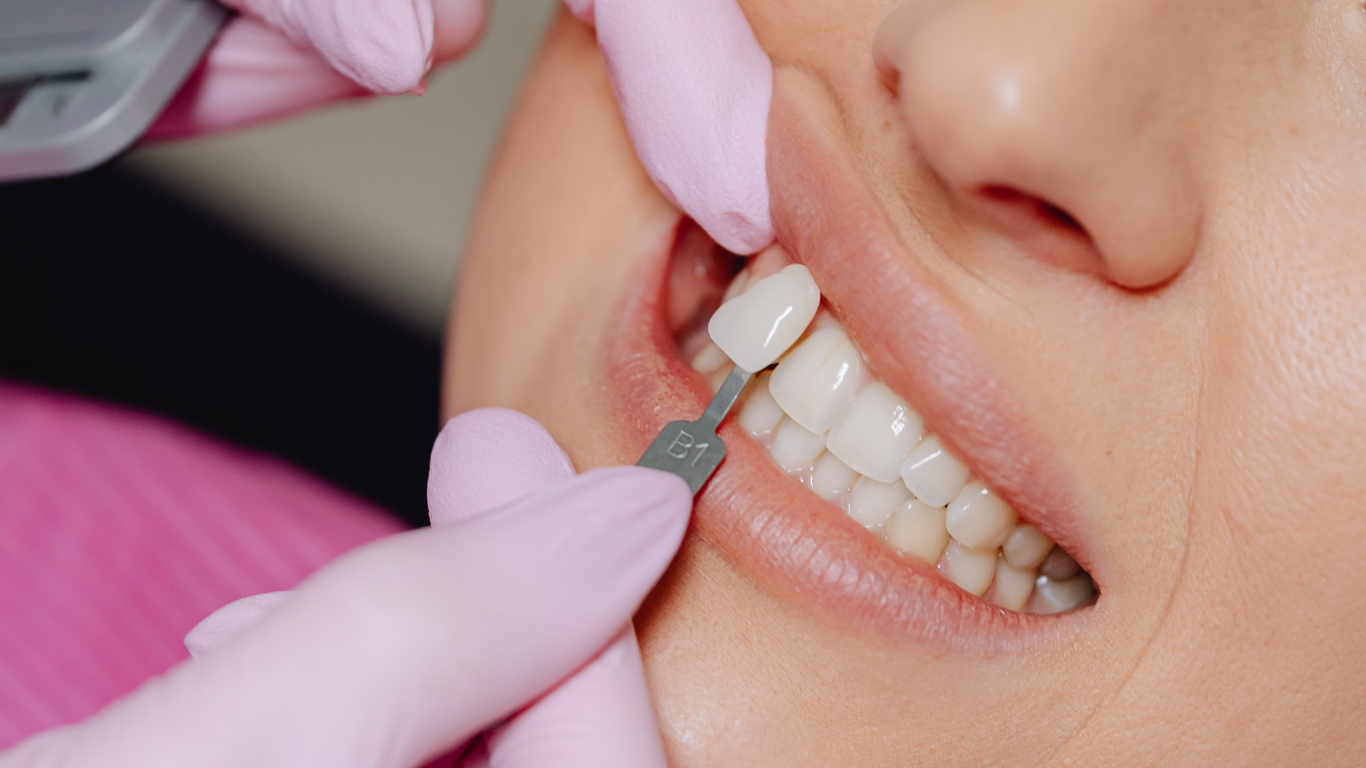
  • Digital scans or impressions: They'll likely take detailed records of your mouth to create a 3D model.
  • Discussion of your goals: You'll talk about what you want to change about your smile.
  • Personalized treatment plan overview: The dentist will explain how Invisalign can work for you.


Questions to Ask Your Dentist

Don't be shy! This is your time to get all the info you need. Some good questions to have ready include:


  • How long will treatment typically take for someone with my needs?
  • What are the potential risks or side effects?
  • What happens if I lose an aligner?
  • How often will I need to come in for check-ups?
  • What are the payment options and insurance coverage details?


This initial meeting is super important for setting expectations and making sure you feel comfortable with the process. It's the foundation for your entire Invisalign journey, so take your time and get all your questions answered. A good dentist palo alto like the team at Bryant Street Dental will make sure you leave feeling informed and confident.


Is Invisalign Right for Me?

Based on the consultation, the dentist will give you a professional opinion. They'll consider things like:


  • The complexity of your bite issues.
  • Your overall oral health.
  • Your commitment to wearing the aligners as directed.


2. Treatment Duration

When you're thinking about getting Invisalign in Palo Alto, one of the first things people want to know is how long the whole process will take. It's not a one-size-fits-all answer, really. The duration of your Invisalign treatment at Bryant Street Dental depends on a few things, mainly how complex your specific dental issues are. Some people might only need a few months, while others could be looking at a year or even a bit longer. It really comes down to what you and your dentist decide is the best plan for your smile.


Here's a general idea of what influences the timeline:


  • Severity of Misalignment: Simple crowding or spacing issues usually resolve faster than more significant bite problems or rotations.
  • Your Body's Response: Everyone's teeth move at a different pace. Some people's teeth are just more cooperative.
  • Compliance with Aligner Wear: This is a big one. If you don't wear your aligners as much as you should, it will definitely extend the treatment time.


It's important to have a good chat with your dentist at Bryant Street Dental during your consultation. They can give you a much more personalized estimate based on your initial assessment. Remember, patience is key with any orthodontic treatment, and the final result is usually well worth the wait. A good dentist Palo Alto can help set realistic expectations from the start.


The goal is to achieve your desired smile, and while speed is nice, getting it right is more important. Stick to the plan, and you'll get there.


3. Cost and Insurance

Figuring out the cost of Invisalign in Palo Alto is a big part of the process, and it's something we get asked about a lot here at Bryant Street Dental. The price can vary quite a bit depending on how complex your specific case is and how long you'll need treatment. We want to make sure you have all the information you need to make a decision that works for your budget. When you come in for your initial consultation, we'll give you a much clearer picture of the investment involved. We also know that insurance can be a bit confusing, so we're here to help sort that out too. Many dental insurance plans offer some coverage for orthodontic treatment, including Invisalign, so it's definitely worth checking what your policy covers. Our team can assist you in understanding your benefits and how they apply to your treatment plan. We want to be as transparent as possible about all the costs upfront.


Understanding the Investment

  • Initial Consultation: This is where we assess your needs and give you a personalized treatment plan and cost estimate.
  • Treatment Complexity: More involved cases requiring more aligner sets will naturally cost more.
  • Payment Options: We offer various payment plans to make treatment more manageable.


Insurance and Financing

  • Checking Your Benefits: We can help you determine if your dental insurance covers any portion of Invisalign treatment.
  • Flexible Spending Accounts (FSAs) & Health Savings Accounts (HSAs): These pre-tax accounts can often be used for orthodontic care.
  • In-House Financing: Bryant Street Dental may offer payment plans to spread the cost over time.


It's always a good idea to have a clear understanding of your financial responsibility before starting any treatment. We're committed to working with you to find a solution that fits your needs and budget, making your journey to a straighter smile as smooth as possible. Don't hesitate to ask our staff any questions you have about the costs or insurance coverage when you visit our dentist Palo Alto office.


4. Aligner Wear Schedule

When you get Invisalign in Palo Alto at Bryant Street Dental, understanding how to wear your aligners is key to a successful treatment. You'll need to wear your aligners for 20-22 hours every single day. This might sound like a lot, but it's really just about taking them out for meals and brushing your teeth. Think of it as a consistent routine. You pop them in after you eat, and they stay in until your next meal or snack. It takes a little getting used to, but most people find it becomes second nature pretty quickly. Your dentist palo alto will go over this in detail, but here’s the general idea:


  • Wear them consistently: The more you wear them, the faster your teeth will move. Skipping hours here and there can really set back your progress.
  • Remove for eating and drinking (except water): Always take your aligners out before you eat or drink anything other than plain water. This protects both your teeth and the aligners.
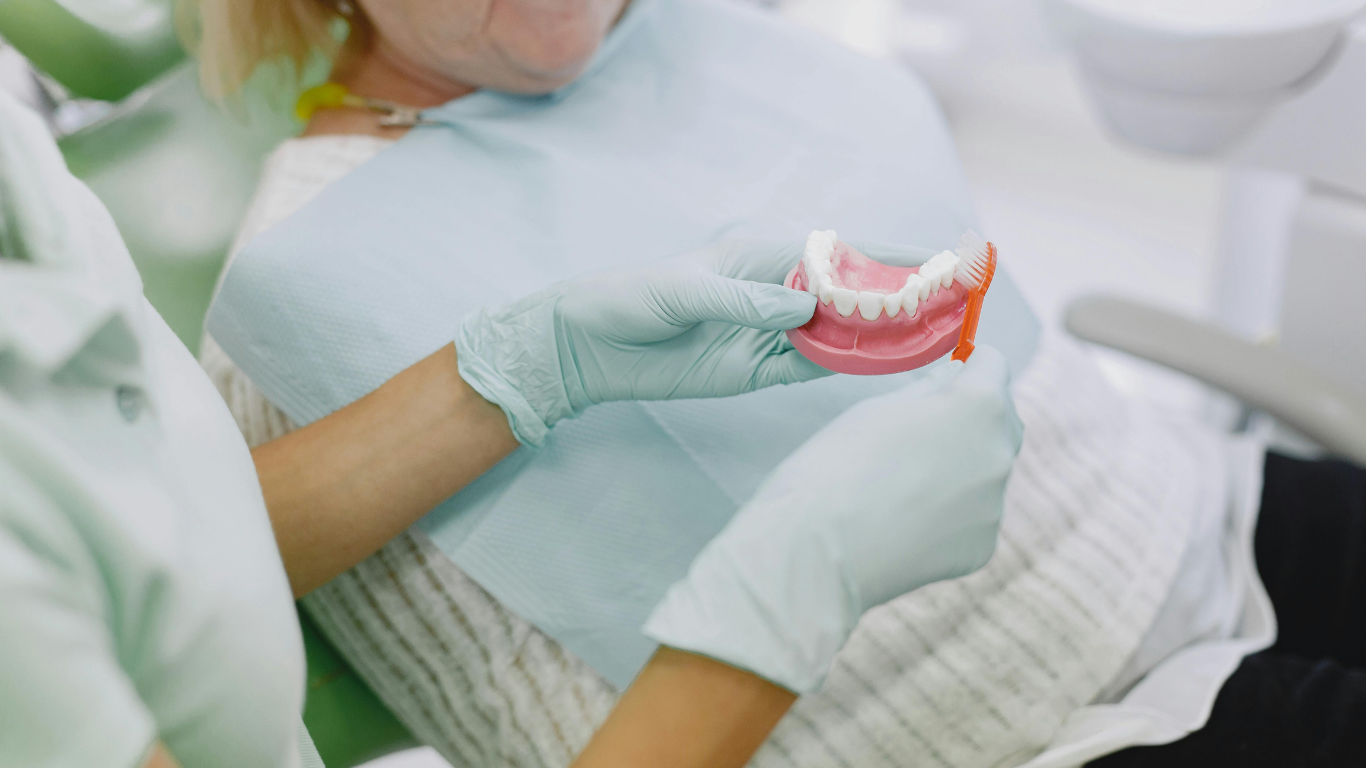
  • Clean them regularly: Brush your aligners gently with a toothbrush and water each time you brush your teeth. This keeps them fresh and prevents bacteria buildup.
  • Keep them safe: When you take them out, put them in their case. Don't just leave them lying around where they can get lost or damaged.


It's really about building a habit. You'll be taking them out and putting them back in multiple times a day, so making it a smooth part of your routine is important. Don't get discouraged if it feels a bit awkward at first; it gets easier.


Bryant Street Dental is here to help you through every step, so don't hesitate to ask questions about your aligner wear schedule.


5. Oral Hygiene Practices

Keeping your teeth clean is super important when you're going through Invisalign treatment. It's not just about having a nice smile; it's about making sure your teeth and gums stay healthy throughout the process. At Bryant Street Dental, your dentist in Palo Alto, we stress this point a lot because it really makes a difference.


Brushing and Flossing with Aligners

First off, you'll need to take your aligners out before you eat or drink anything other than water. This is a big change from regular braces! Once they're out, it's time to brush and floss like you normally would. Make sure you get all the food bits out, especially around the gum line. It’s a good idea to have a travel toothbrush and some floss with you if you’re out and about, so you can clean your teeth after meals before putting your aligners back in. This prevents food particles from getting trapped against your teeth under the plastic, which can lead to cavities or gum issues.


Cleaning Your Aligners

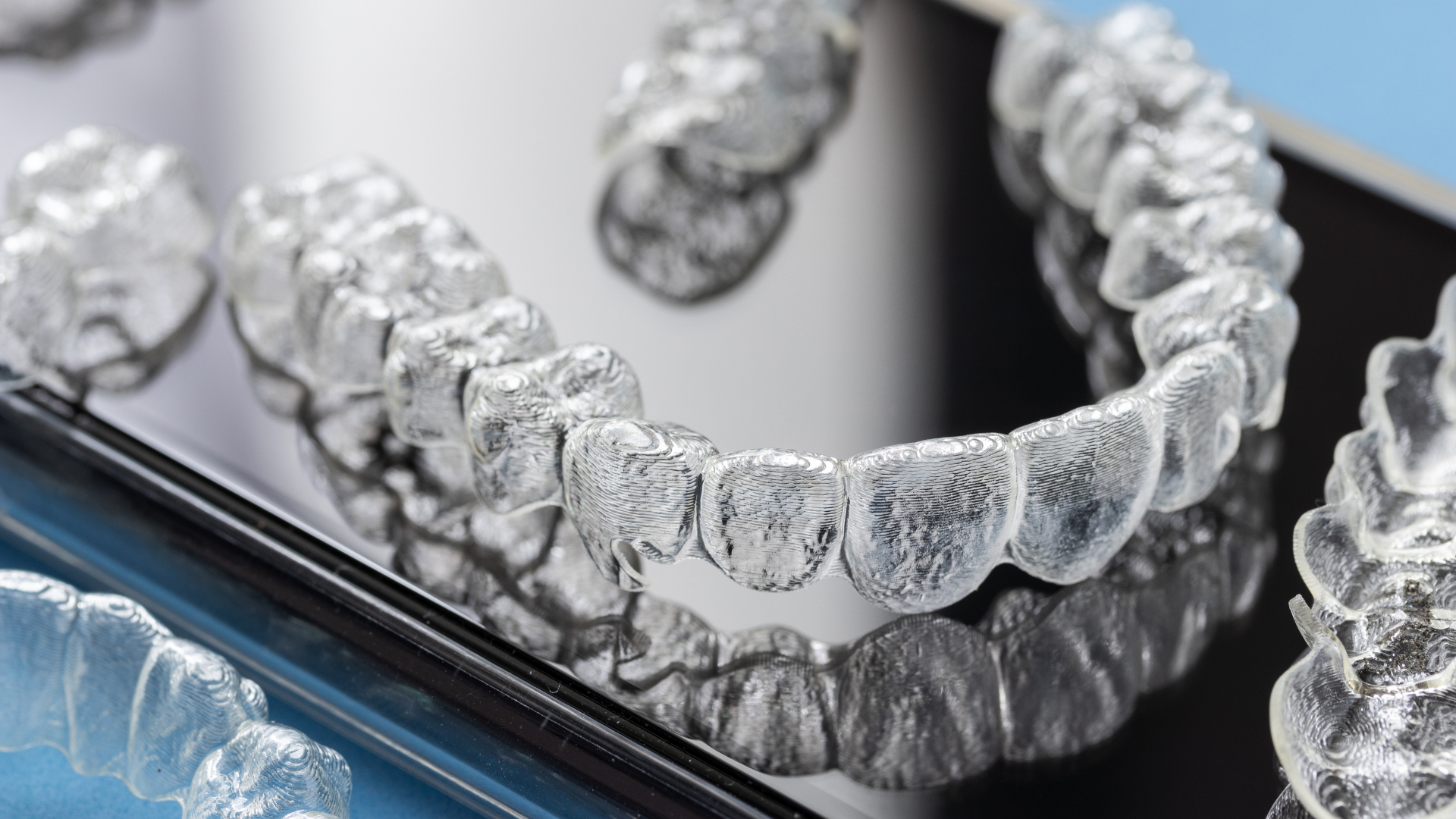
Don't forget to clean the aligners themselves! You can use a soft toothbrush and some cool water. Some people use denture cleaner or special Invisalign cleaning crystals, but always check with your dentist first. Avoid hot water, as it can warp the plastic. Giving them a good rinse and gentle scrub each time you brush your teeth helps keep them fresh and free of bacteria. Regularly cleaning your aligners is key to preventing odor and discoloration.


What to Avoid

When you have your aligners in, stick to water. Sugary drinks, coffee, tea, and even colored juices can get trapped under the aligners, staining them and potentially causing problems for your teeth. If you do drink something other than water, take out your aligners, drink up, and then rinse your mouth and the aligners before putting them back in. This might seem like a lot, but it’s a small step that helps your invisalign palo alto treatment go smoothly. Your dentist palo alto team at Bryant Street Dental is here to guide you through all these details.


Ready to Get Started?

So, you're thinking about Invisalign here in Palo Alto. It's a pretty big decision, but hopefully, knowing these five things makes it feel a little less daunting. From understanding the costs to knowing what to expect during treatment, it’s all part of the journey to a straighter smile. Bryant Street Dental is there to help guide you through each step. If you're ready to explore your options, booking a consultation is the best next move. You'll get all your questions answered and see if clear aligners are the right fit for you.

Call us now!

Disclaimer: The information provided in this article is for educational and informational purposes only and does not constitute medical or dental advice. Every patient’s case is unique, and outcomes may vary. Please consult directly with a licensed dental professional at Bryant Street Dental or your personal dentist for a comprehensive evaluation and personalized treatment recommendations. Invisalign treatment may not be suitable for everyone.

Blog | Bryant St Dental
September 23, 2026
What actually happens at a modern cosmetic consultation, from digital scans to a smile preview. A Palo Alto dentist explains the current approach.
Dentist holding a dental mold in gloved hands during a patient consultation
September 23, 2026
Considering flexible dentures? A Palo Alto dentist walks through every step, from the first exam to the fitting, and what actually happens at each one.
August 20, 2026
If a filling or crown just came loose or fell out entirely, here's the direct answer: rinse the area gently, protect the exposed tooth with over-the-counter dental cement or a small piece of sugar-free gum, use a dab of clove oil for pain if needed, avoid chewing on that side, and call an emergency dentist in Palo Alto within 24 to 48 hours, sooner if you're in real pain. What you do in the next few hours matters less than what you avoid doing, so start there. Quick Answer: Save the piece if you have it, keep the area clean, use temporary dental cement or clove oil for comfort, and never use super glue, then get to a dentist as soon as you reasonably can. Why This Isn't (Usually) a True Emergency — But Isn't Nothing Either Losing a filling or crown exposes the softer, more sensitive layer of tooth underneath, which is why it can suddenly feel painful even if the tooth itself isn't in immediate danger. Bryant St. Dental's guide to common dental emergencies covers this alongside more urgent situations like a knocked-out tooth — the difference is timing, not whether you should take it seriously. Left unprotected for too long, the exposed tooth is more vulnerable to further damage, and neighboring teeth can gradually shift into the gap where a crown once sat. What to Do Right Now Find the piece, if you can. Rinse it gently with cool water — don't scrub it — and bring it with you to your appointment. A dentist may be able to re-cement an intact crown rather than making a new one. Protect the exposed tooth. Over-the-counter dental cement (sold at most pharmacies) can temporarily hold a loose crown in place or seal a lost filling. If you don't have any on hand, a small piece of sugar-free gum pressed gently into the space works as a stopgap — avoid sugared gum, which feeds the bacteria already exposed at the site. Manage discomfort. A small amount of clove oil dabbed onto the sensitive area with a cotton swab has a mild, temporary numbing effect. Over-the-counter pain relievers and a cold compress on the outside of the cheek can help with any swelling or soreness. Avoid chewing on that side. The exposed tooth structure is weaker without its filling or crown, and biting down on it — especially on anything hard or sticky — risks cracking it further. Call your dentist. Even without pain, an exposed tooth needs professional attention. Most offices can see you within a day or two for something like this. What Not to Do Don't reach for super glue or other household adhesives. They're not designed for use in the mouth, can be toxic if swallowed, and can make it harder for your dentist to properly re-cement the crown later. Don't ignore it because it doesn't hurt. A missing filling or crown still exposes the tooth to decay and damage even when there's no pain yet. Don't wait through the weekend hoping it settles down on its own. It won't — the tooth will still be exposed on Monday, and by then it may hurt more. When to Treat It as More Urgent Most lost fillings and crowns can comfortably wait a day or two for a regular appointment. Call sooner, or seek same-day emergency dental care, if you notice: Severe or throbbing pain that over-the-counter medication doesn't touch Visible swelling in the gum, cheek, or jaw Fever alongside tooth pain (a possible sign of infection) Difficulty biting down, swallowing, or opening your mouth fully If you develop facial swelling along with a fever, or any difficulty breathing or swallowing, treat that as a medical emergency and seek immediate care rather than waiting for a dental appointment. What Happens at Your Appointment For a lost filling, your dentist will remove any remaining decay and place a new filling—usually a straightforward, single-visit fix. For a lost crown, if the crown itself is undamaged, your dentist may be able to clean it and re-cement it back in place the same day. If it's cracked or if decay has changed the shape of the tooth underneath, you'll likely need a new crown, typically a two-visit process with a temporary crown in place while the permanent one is fabricated. Frequently Asked Questions
August 20, 2026
Searching for a cosmetic dentist in Palo Alto usually means you already know you want a better smile — you're just not sure which treatment gets you there. Direct answer: whitening is the fastest, least invasive option for brightening the color of your natural teeth; bonding is a same-visit fix for small chips, gaps, and discoloration on individual teeth; and veneers are the most durable option when you want to reshape or dramatically brighten several teeth at once. The right choice depends on whether your concern is color, shape, or both. Quick Answer: If your teeth are the right shape but the wrong shade, start with whitening. If one or two teeth have a chip, gap, or stain that whitening won't fix, bonding is usually enough. If you want a complete, long-lasting transformation across several teeth, veneers are the stronger investment. Teeth Whitening: The Starting Point for Most Smiles If you're exploring cosmetic dentistry in Palo Alto for the first time, whitening is usually the lowest-commitment place to start. In-office bleaching uses a stronger concentration than take-home kits, while a dentist-supervised at-home tray can take anywhere from a few days to a few weeks to reach full results. Best for teeth that are stained or dulled by coffee, tea, wine, or age — not for teeth that are chipped, gapped, or misshapen No enamel is removed, and the effect is reversible — your natural tooth color will gradually return over time Look for a whitening product carrying the ADA Seal of Acceptance, whether you're doing it in-office or at home One catch: whitening only works on natural tooth enamel. If you're also considering bonding or veneers, whiten first — bleaching gel doesn't change the color of composite resin or porcelain once it's already on the tooth. Dental Bonding: The Same-Day Fix for Small Flaws Bonding uses a tooth-colored composite resin that's sculpted directly onto the tooth, hardened with a curing light, and polished to blend in. It's the right call for a chipped edge, a small gap, or a single discolored spot that whitening can't touch. Typically completed in under an hour per tooth, often in one visit No anesthesia needed in most cases Composite bonding averages 5 to 7 years before it needs to be touched up or replaced — noticeably less than veneers, but at a lower cost and with no enamel removal Bonding is a good test run, too: it's reversible-ish (your dentist can adjust or replace it without reshaping the underlying tooth the way a veneer requires), which makes it a lower-stakes way to address one or two flaws before committing to a bigger treatment plan. Porcelain Veneers: The Long-Term Transformation Veneers are thin, custom-fabricated shells bonded to the front of your teeth — the option most people picture when they think "smile makeover." A veneer is designed to look natural while resisting stains far better than your untreated enamel would. Ideal for teeth that are stained in a way whitening can't fix, chipped, worn down, gapped, or slightly uneven in shape Placing a veneer is not reversible, because your dentist removes a small amount of enamel to make room for the shell — a real tradeoff worth discussing before you commit Porcelain veneers typically last 10 to 15 years, with well-cared-for veneers often performing well past 20 years, while composite veneers run closer to 5 to 7 years A peer-reviewed follow-up study found ceramic veneers bonded fully to enamel had a 99% survival rate over 12 years — a strong argument for enamel preservation during the fitting process Because the treatment is permanent, veneers make the most sense when you're addressing shape and color together, not just color on its own. Side-by-Side: What Actually Separates the Three
July 30, 2026
Palo Alto families choose Bryant St Dental for three reasons: a dentist with more than 21 years of experience, a genuinely calm office built around reducing dental anxiety, and one practice that covers everything from routine cleanings to Invisalign under one roof. The practice has also won the Best Dentistry Award in both 2023 and 2024. Quick Takeaways One dentist, 21+ years of experience, treating every age from toddlers to grandparents Best Dentistry Award winner in both 2023 and 2024 Diamond Plus, Top 1% Invisalign provider for teens and adults Private treatment rooms designed to reduce dental anxiety Most major insurance accepted, with financing options for larger treatment plans Finding One Dentist Your Whole Family Actually Wants to See Juggling separate dentists for kids, teens, and adults gets old fast. Different offices, different schedules, different comfort levels with a squirmy six-year-old or an anxious teenager staring down their first set of aligners. Bryant St Dental was built to solve exactly that problem. At Bryant St Dental's Services page , the practice lists routine cleanings, cosmetic dentistry, dental implants, Invisalign for teens and adults, and emergency care all under Dr. Chad Abed's supervision, so a family in University South or anywhere else in Palo Alto can bring every generation to the same address. The Track Record Behind the Trust A practice doesn't win back-to-back local awards by accident. Bryant St Dental was named winner of the Best Dentistry Award in both 2023 and 2024, and the American Dental Association notes that consistent, ongoing dental visits are one of the strongest predictors of long-term oral health across a family's lifespan, from childhood cavity prevention through adult gum disease screening. That consistency shows up in the numbers. The practice has built a base of more than 880 patient reviews, and Dr. Abed's team completes more than 400 Invisalign cases each year as a Diamond Plus, Elite Top 1% provider, alongside general dentistry, cosmetic work, and emergency visits for the same families year after year. What Actually Changes the Experience for Families Beyond the credentials, a few practical details are what parents mention most often: Private treatment rooms instead of open bays, which matters for anxious kids and adults alike Same-day emergency care for the inevitable chipped tooth or after-school fall Digital iTero scanning instead of messy physical impressions for Invisalign and other treatments Most major insurance accepted , with Sunbit financing available for treatment plans that need it A holistic, preventive philosophy that treats the whole mouth, not just the immediate complaint Frequently Asked Questions About Invisalign in Palo Alto
July 30, 2026
Most Invisalign patients need somewhere between 20 and 40 trays, worn in sequence for one to two weeks each, over a total treatment window of 12 to 18 months. Mild crowding or small gaps can wrap up in as few as 14 trays. Complex bite corrections can run past 40. Your exact number depends on how much movement your teeth need, not on a fixed formula. Quick Takeaways Tray count tracks with case complexity, not with age or how "bad" your smile looks to you Mild cases: roughly 14–26 trays over 6–18 months Moderate cases: roughly 28–36 trays over 12–18 months Complex cases: 36 or more trays, sometimes 18–24+ months You'll typically switch trays every one to two weeks and see your dentist every four to six weeks The Question Every New Invisalign Patient Asks You've booked a consultation. Maybe you've already had your teeth scanned. And somewhere between the excitement of a straighter smile and the reality of wearing a retainer-like device for over a year, one number keeps nagging at you: how many trays is this actually going to take? It's a fair question, and it deserves a real answer rather than a marketing brochure. At Bryant St Dental , our team handles more than 400 Invisalign cases a year as a Diamond Plus, Top 1% provider, so we see the full range — five-tray touch-ups and forty-plus-tray reconstructions alike. Here's what actually drives that number. What Determines Your Invisalign Tray Count Every plan is built around movement, not appearance. An orthodontist doesn't count how crooked your teeth look. They count how many stages of movement it takes to get from your current bite to your target bite, and each tray only shifts teeth by about 0.25mm. That means two people with similar-looking smiles can end up with very different tray counts, because the underlying tooth roots, bite alignment, and jaw spacing aren't the same. According to the American Association of Orthodontists, clear aligner systems like Invisalign move teeth through a series of custom, incremental stages, and the number of stages is set individually for each patient's treatment plan. Three things move that number the most: Case complexity — spacing and mild crowding need far fewer trays than crossbites, rotated teeth, or significant crowding Jaw bone density — denser bone (more common in older adults) slows tooth movement and can add trays or extend wear time per tray Consistency — Invisalign is built around wearing each tray 20 to 22 hours a day; skipping that adds trays or restarts stages, not fewer Typical Tray Counts by Case Type  Bring these ranges to your consultation as a benchmark, not a promise — your dentist's scan will give you the real number. Mild cases (small gaps, minor crowding): about 14–26 trays, 6–18 months Moderate cases (uneven bites, moderate crowding): about 28–36 trays, 12–18 months Complex cases (large gaps, crossbites, severe crowding): 36+ trays, often 18–24 months or more Most patients land in the moderate range and change trays every one to two weeks, with a check-in visit every four to six weeks to confirm things are tracking to plan. Frequently Asked Questions About Invisalign in Palo Alto
Three silver spiral bracelets on a light blue background
June 17, 2026
Discover 9 ways a cosmetic dentist in Palo Alto can transform your smile and confidence. From veneers to teeth whitening, Bryant Street Dental has you covered.
Three translucent blue chain links arranged in a triangle on a light blue background
June 17, 2026
Looking for Invisalign in Palo Alto? Bryant Street Dental shares 7 proven reasons patients choose clear aligner therapy for a straighter, healthier smile. Schedule today.
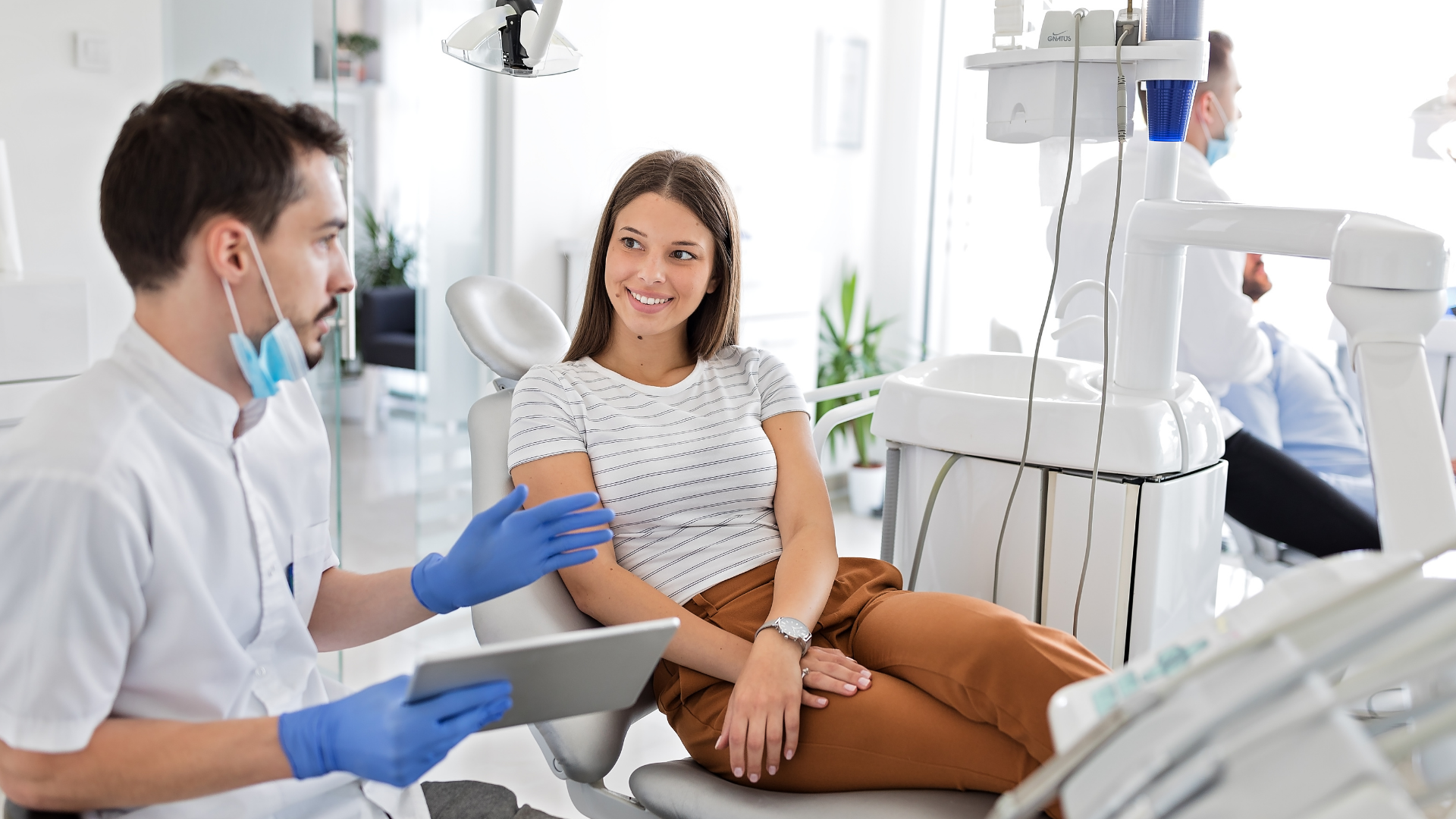
Dentist consulting with a smiling patient in a bright dental clinic, with dental equipment nearby
May 26, 2026
Planning a smile makeover? Discover 9 critical factors to check from board licensing to local credentials before choosing a cosmetic dentist in Palo Alto.
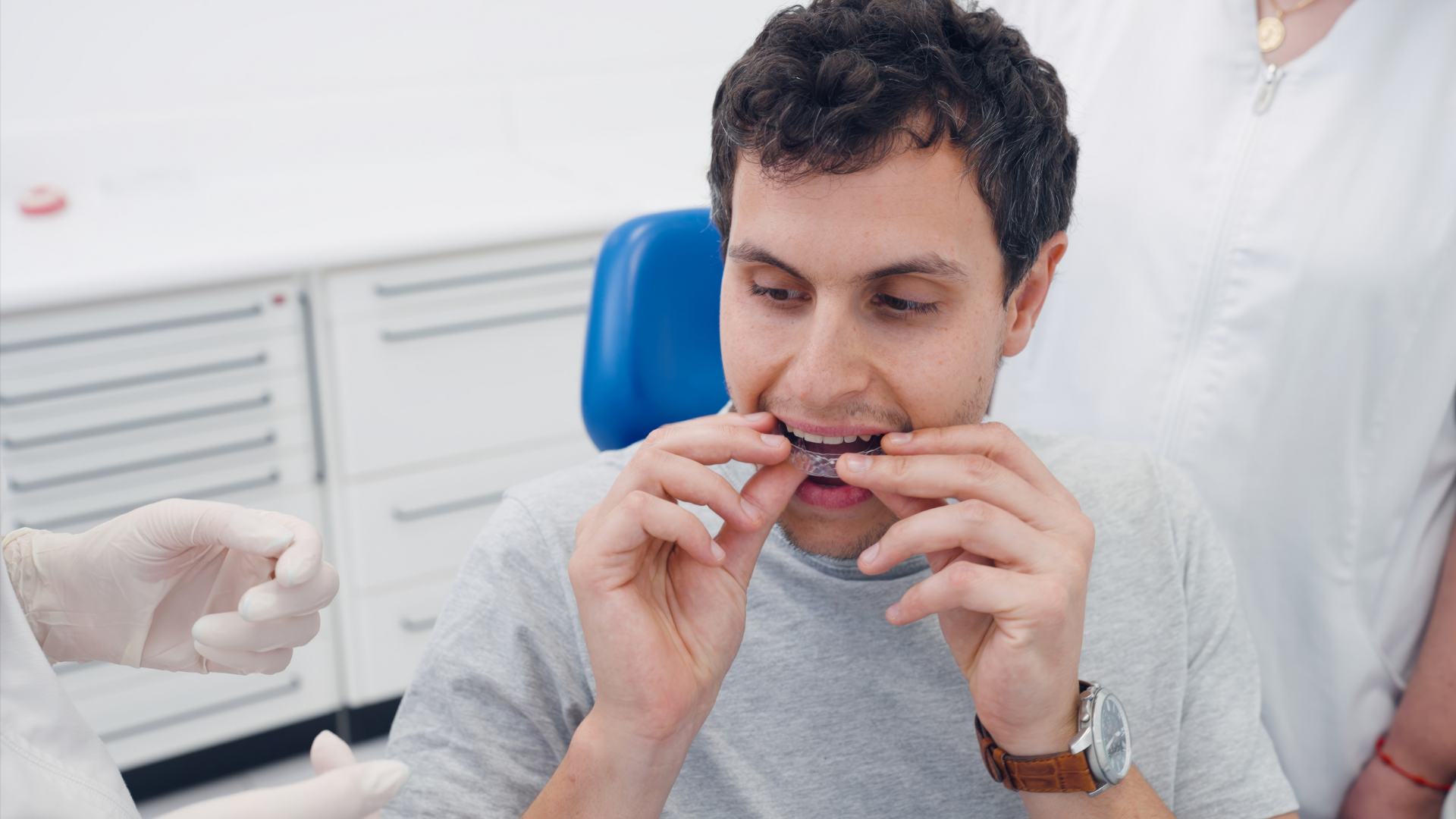
A patient sitting in a dental chair adjusting a clear aligner tray onto their teeth.
April 17, 2026
Discover why choosing a specialist for Invisalign in Palo Alto makes a difference. Get custom treatment plans, digital smile simulations, and expert orthodontic care.
Show More