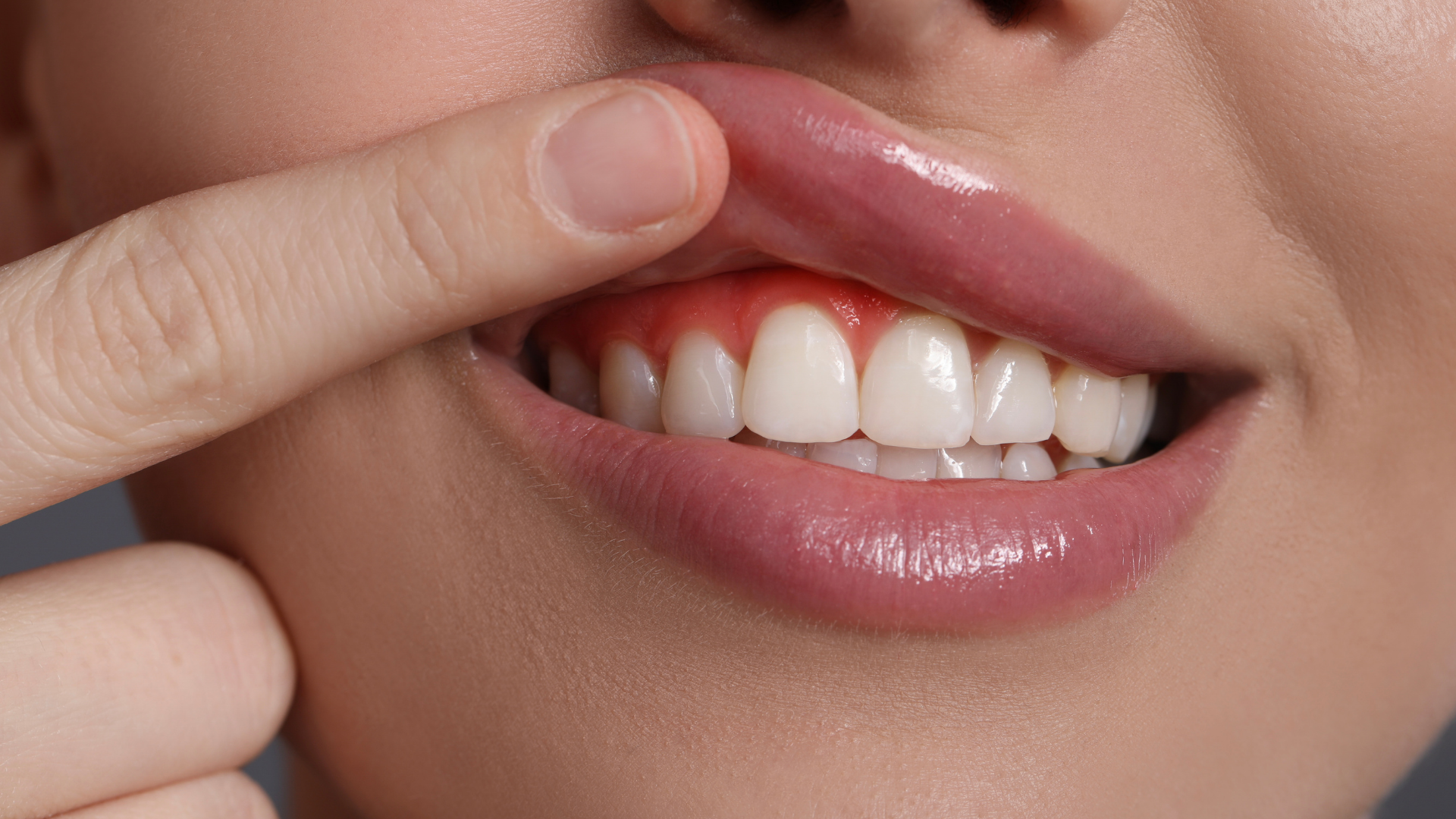
How to Whiten Dentures

Dentures are essential to many people's lives, offering a life-changing solution for those who have experienced significant tooth loss. Beyond restoring the ability to eat and speak comfortably, dentures can profoundly impact a person's confidence and self-esteem. A bright, natural-looking smile can transform individuals' feelings about themselves, empowering them to engage more fully in social and professional settings. However, like natural teeth, dentures can become discolored over time, diminishing their aesthetic appeal.


Understanding the causes of denture stains and how to clean and whiten them properly is key to maintaining their appearance and ensuring they continue to look and feel great. If you're looking to keep your dentures in top shape, follow these tips to preserve their brightness and functionality, and don't hesitate to reach out to Bryant St Dental for professional advice and care tailored to your needs. Let us help you maintain the smile that has transformed your life!


Understanding Denture Stains

Common Causes of Discoloration

Stains on dentures can occur due to various factors, most notably from the foods and beverages we consume. Coffee, tea, and red wine are some of the most common culprits, as they contain tannins—natural compounds that adhere to the surface of dentures, leading to discoloration over time. Additionally, brightly colored foods such as berries, tomato sauce, and curries can leave pigments behind, causing noticeable staining. Smoking is another major contributor, as tobacco use often leads to yellow or brownish stains that can be difficult to remove. Despite diligent care, the cumulative effect of these factors can gradually cause dentures to lose their brightness.


Types of Stains on Dentures

There are two primary types of stains that affect dentures:


Extrinsic stains: These stains form on the surface of dentures and are typically easier to remove with regular cleaning. They are caused by external factors like food, beverages, and smoking. With proper daily care and the use of denture-specific cleansers, extrinsic stains can often be effectively managed.


Intrinsic stains: These are deeper stains that penetrate the denture material itself, often as a result of long-term exposure to staining agents. Intrinsic stains are more difficult to remove and usually require professional denture cleaning or whitening treatments.

By identifying whether the stains on your dentures are extrinsic or intrinsic, you can choose the most effective cleaning method to maintain their appearance.
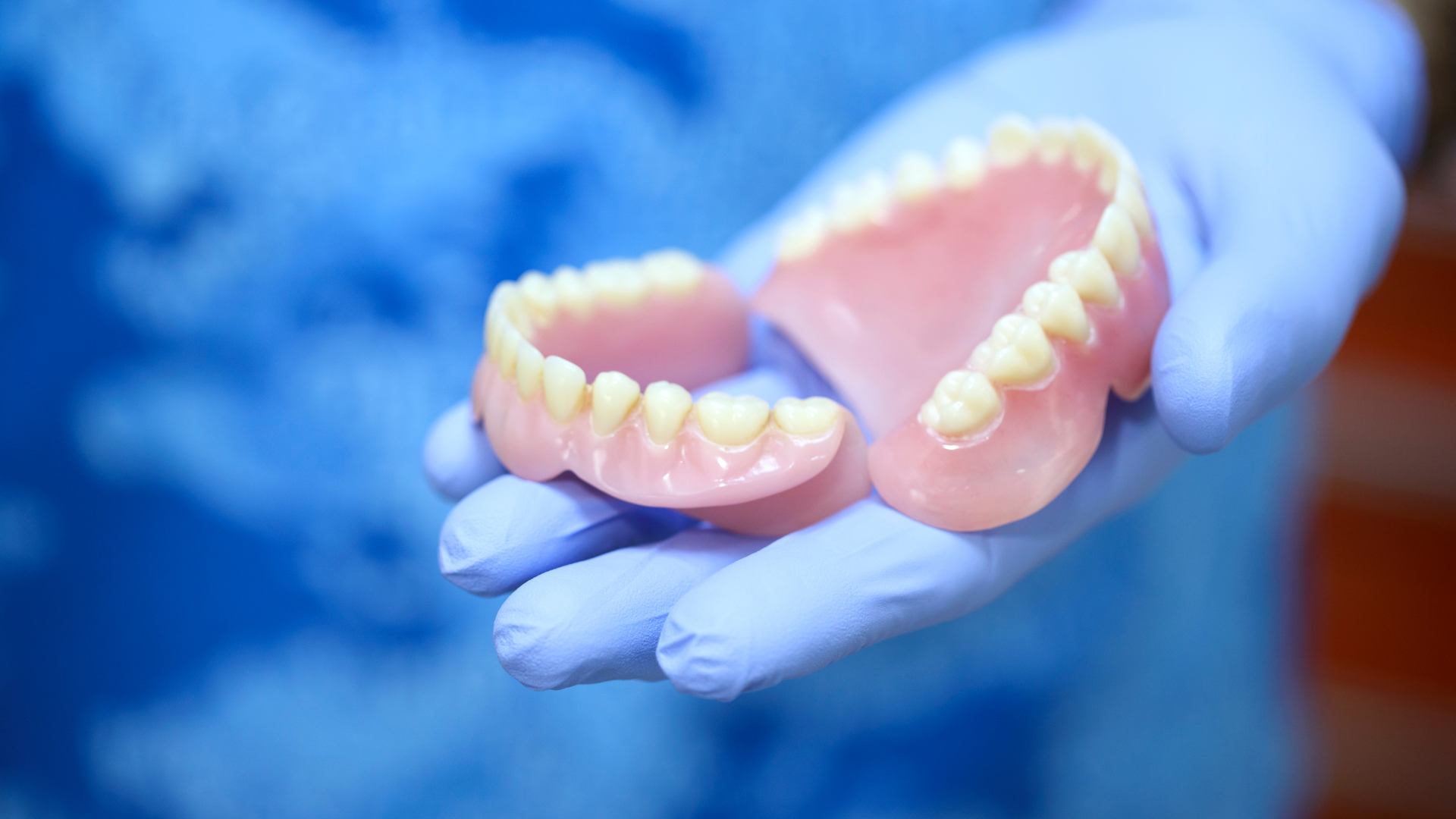
A person is holding a pair of dentures in their hands.
Call us now!

Impact on Oral Health

Stains on dentures are not just cosmetic concerns; they can have a significant impact on your overall oral health. When dentures are not properly cleaned and maintained, they can become a breeding ground for bacteria. This buildup can lead to various health issues, including:


  • Mouth Ulcers: Poorly cleaned dentures can cause irritation and sores in the mouth, known as mouth ulcers. These painful lesions often occur when food particles or bacteria get trapped between the denture and the gums, leading to infection or inflammation.


  • Gum Irritation and Disease: Bacteria that accumulate on stained dentures can contribute to gum inflammation, which can progress to gum disease (gingivitis or periodontitis). Gum disease can cause discomfort, swelling, bleeding, and eventual damage to the bone and tissue supporting your dentures.


  • Denture Fit and Comfort: Over time, neglected dentures can lose their proper fit due to changes in the mouth, such as receding gums or bone loss. Ill-fitting dentures can cause sore spots, jaw pain, and difficulty chewing, affecting your overall comfort and nutrition. Regular care helps maintain the correct fit, reducing the risk of complications.


  • Bad Breath (Halitosis): Bacterial buildup on dentures can lead to persistent bad breath, which can affect confidence and social interactions. Maintaining clean dentures with proper hygiene practices is essential to avoid these unpleasant odors.


Keeping your dentures clean is more than just about aesthetics; it is essential for preventing serious oral health issues and ensuring your dentures fit comfortably and function well.


Daily Cleaning Routine for Dentures

  • Choosing the Right Denture Cleanser
    Selecting the appropriate denture cleanser is vital for maintaining their whiteness. Regular toothpaste can be too abrasive, so using a non-abrasive, antibacterial cleanser is recommended. At Bryant St Dental, we advise using products specifically designed for dentures to ensure they stay in top condition.


  • Proper Brushing Techniques
    Brush your dentures daily using a soft-bristled brush to gently clean all surfaces, inside and out. This helps remove food particles and plaque without scratching the denture material, which could make them more prone to staining.

  • Rinsing and Storing Dentures
    After cleaning, rinse your dentures thoroughly with water to remove any cleanser residue. When not in use, store your dentures in a soaking solution or plain water to prevent them from drying out and losing their shape. Always avoid using hot water, as it can warp the material.


Using Professional Denture Cleaning Solutions

  • Benefits of Professional Cleaning Solutions
    Professional denture cleaning solutions are specifically formulated to remove tough stains and kill bacteria. These cleaners are more effective than standard cleaning products, offering thorough sanitation and maintaining the whiteness of your dentures. Regular use of these solutions helps keep your dentures looking their best.


  • How to Use Denture Cleaning Tablets

To clean your dentures using tablets:


  1. Fill a glass with warm water.
  2. Drop in a cleaning tablet.
  3. Place your dentures in the solution and let them soak for 15-30 minutes.
  4. Rinse your dentures thoroughly with water before wearing them again.


Regular Dental Check-Ups for Denture Maintenance

  • Importance of Professional Cleaning
    While daily care is essential, professional cleanings are needed to remove stains and plaque that can accumulate over time. At Bryant St Dental, we recommend regular check-ups to maintain your dentures' overall health and cleanliness.


  • What to Expect During a Check-Up

During a dental check-up, your best dentist in Palo Alto  will:


  • Examine your dentures for wear or damage.
  • Clean your dentures using professional tools.
  • Check your gums and oral tissues for any issues.
  • Provide personalized advice for maintaining your dentures at home.


Conclusion

Keeping your dentures in Palo Alto white requires daily care, regular use of professional cleaning solutions, and routine dental visits. With proper maintenance, you can preserve the brightness and condition of your dentures, ensuring they look their best for years to come. For expert advice and denture care services, visit Bryant St Dental and let our team help you maintain a healthy, bright smile.

Learn More!

Blog | Bryant St Dental

July 30, 2026
Palo Alto families choose Bryant St Dental for three reasons: a dentist with more than 21 years of experience, a genuinely calm office built around reducing dental anxiety, and one practice that covers everything from routine cleanings to Invisalign under one roof. The practice has also won the Best Dentistry Award in both 2023 and 2024. Quick Takeaways One dentist, 21+ years of experience, treating every age from toddlers to grandparents Best Dentistry Award winner in both 2023 and 2024 Diamond Plus, Top 1% Invisalign provider for teens and adults Private treatment rooms designed to reduce dental anxiety Most major insurance accepted, with financing options for larger treatment plans Finding One Dentist Your Whole Family Actually Wants to See Juggling separate dentists for kids, teens, and adults gets old fast. Different offices, different schedules, different comfort levels with a squirmy six-year-old or an anxious teenager staring down their first set of aligners. Bryant St Dental was built to solve exactly that problem. At Bryant St Dental's Services page , the practice lists routine cleanings, cosmetic dentistry, dental implants, Invisalign for teens and adults, and emergency care all under Dr. Chad Abed's supervision, so a family in University South or anywhere else in Palo Alto can bring every generation to the same address. The Track Record Behind the Trust A practice doesn't win back-to-back local awards by accident. Bryant St Dental was named winner of the Best Dentistry Award in both 2023 and 2024, and the American Dental Association notes that consistent, ongoing dental visits are one of the strongest predictors of long-term oral health across a family's lifespan, from childhood cavity prevention through adult gum disease screening. That consistency shows up in the numbers. The practice has built a base of more than 880 patient reviews, and Dr. Abed's team completes more than 400 Invisalign cases each year as a Diamond Plus, Elite Top 1% provider, alongside general dentistry, cosmetic work, and emergency visits for the same families year after year. What Actually Changes the Experience for Families Beyond the credentials, a few practical details are what parents mention most often: Private treatment rooms instead of open bays, which matters for anxious kids and adults alike Same-day emergency care for the inevitable chipped tooth or after-school fall Digital iTero scanning instead of messy physical impressions for Invisalign and other treatments Most major insurance accepted , with Sunbit financing available for treatment plans that need it A holistic, preventive philosophy that treats the whole mouth, not just the immediate complaint Frequently Asked Questions About Invisalign in Palo Alto
July 30, 2026
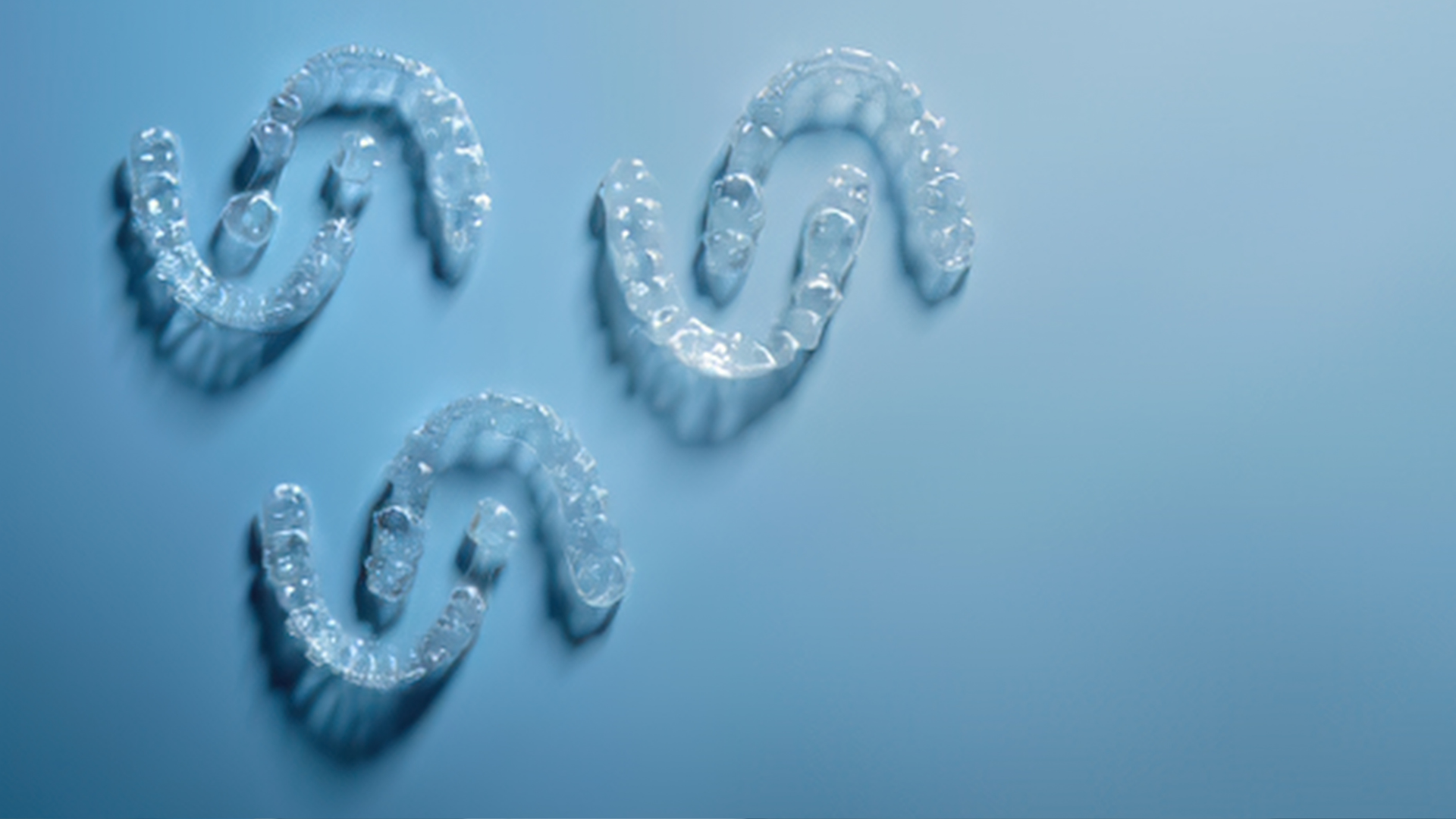
Most Invisalign patients need somewhere between 20 and 40 trays, worn in sequence for one to two weeks each, over a total treatment window of 12 to 18 months. Mild crowding or small gaps can wrap up in as few as 14 trays. Complex bite corrections can run past 40. Your exact number depends on how much movement your teeth need, not on a fixed formula. Quick Takeaways Tray count tracks with case complexity, not with age or how "bad" your smile looks to you Mild cases: roughly 14–26 trays over 6–18 months Moderate cases: roughly 28–36 trays over 12–18 months Complex cases: 36 or more trays, sometimes 18–24+ months You'll typically switch trays every one to two weeks and see your dentist every four to six weeks The Question Every New Invisalign Patient Asks You've booked a consultation. Maybe you've already had your teeth scanned. And somewhere between the excitement of a straighter smile and the reality of wearing a retainer-like device for over a year, one number keeps nagging at you: how many trays is this actually going to take? It's a fair question, and it deserves a real answer rather than a marketing brochure. At Bryant St Dental , our team handles more than 400 Invisalign cases a year as a Diamond Plus, Top 1% provider, so we see the full range — five-tray touch-ups and forty-plus-tray reconstructions alike. Here's what actually drives that number. What Determines Your Invisalign Tray Count Every plan is built around movement, not appearance. An orthodontist doesn't count how crooked your teeth look. They count how many stages of movement it takes to get from your current bite to your target bite, and each tray only shifts teeth by about 0.25mm. That means two people with similar-looking smiles can end up with very different tray counts, because the underlying tooth roots, bite alignment, and jaw spacing aren't the same. According to the American Association of Orthodontists, clear aligner systems like Invisalign move teeth through a series of custom, incremental stages, and the number of stages is set individually for each patient's treatment plan. Three things move that number the most: Case complexity — spacing and mild crowding need far fewer trays than crossbites, rotated teeth, or significant crowding Jaw bone density — denser bone (more common in older adults) slows tooth movement and can add trays or extend wear time per tray Consistency — Invisalign is built around wearing each tray 20 to 22 hours a day; skipping that adds trays or restarts stages, not fewer Typical Tray Counts by Case Type  Bring these ranges to your consultation as a benchmark, not a promise — your dentist's scan will give you the real number. Mild cases (small gaps, minor crowding): about 14–26 trays, 6–18 months Moderate cases (uneven bites, moderate crowding): about 28–36 trays, 12–18 months Complex cases (large gaps, crossbites, severe crowding): 36+ trays, often 18–24 months or more Most patients land in the moderate range and change trays every one to two weeks, with a check-in visit every four to six weeks to confirm things are tracking to plan. Frequently Asked Questions About Invisalign in Palo Alto
Three silver spiral bracelets on a light blue background
June 17, 2026
Discover 9 ways a cosmetic dentist in Palo Alto can transform your smile and confidence. From veneers to teeth whitening, Bryant Street Dental has you covered.
Three translucent blue chain links arranged in a triangle on a light blue background
June 17, 2026
Looking for Invisalign in Palo Alto? Bryant Street Dental shares 7 proven reasons patients choose clear aligner therapy for a straighter, healthier smile. Schedule today.
Dentist consulting with a smiling patient in a bright dental clinic, with dental equipment nearby
May 26, 2026
Planning a smile makeover? Discover 9 critical factors to check from board licensing to local credentials before choosing a cosmetic dentist in Palo Alto.
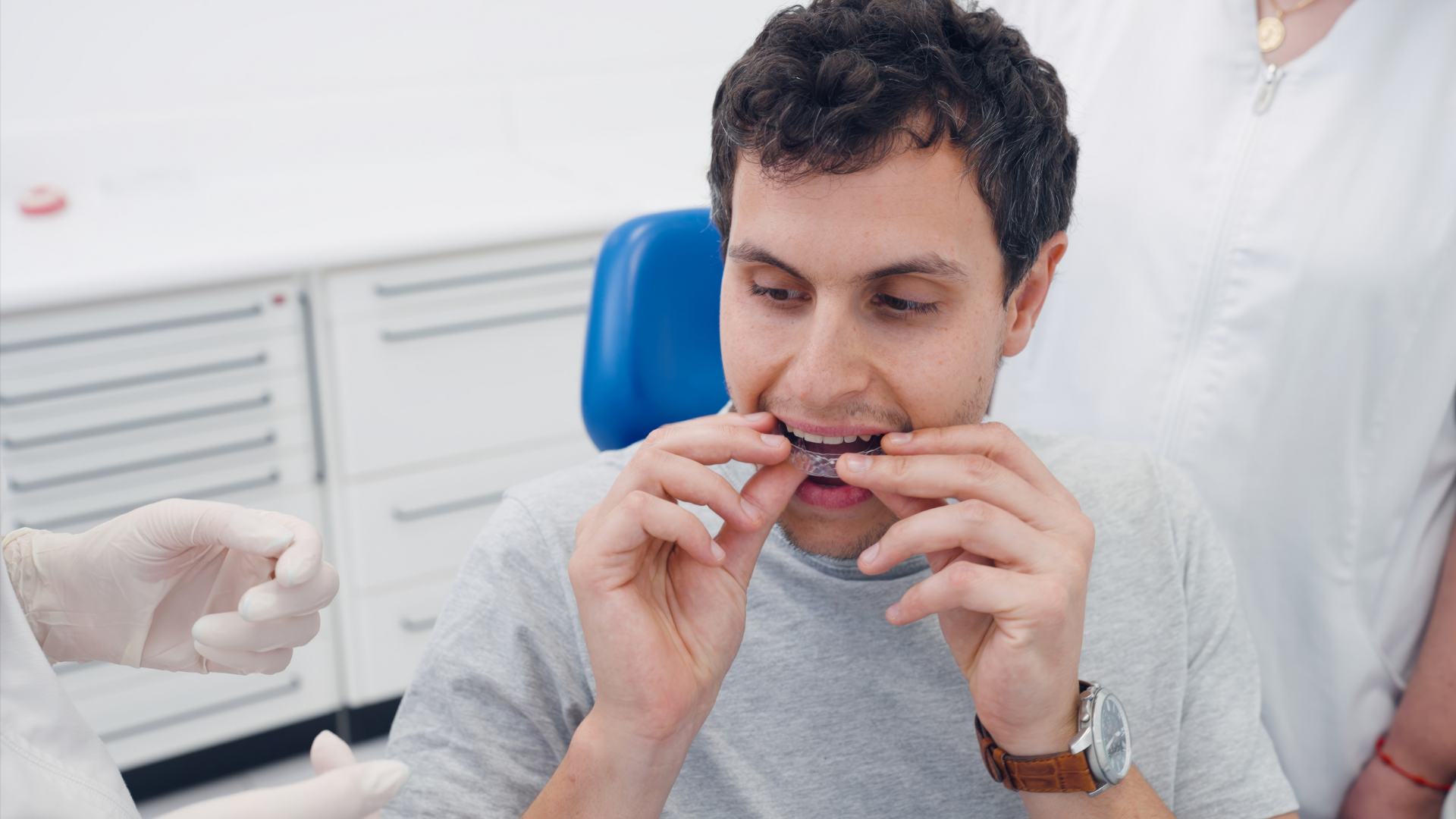
A patient sitting in a dental chair adjusting a clear aligner tray onto their teeth.
April 17, 2026
Discover why choosing a specialist for Invisalign in Palo Alto makes a difference. Get custom treatment plans, digital smile simulations, and expert orthodontic care.
A dentist with gloved hands examines the teeth of a patient seated in a dental chair.
April 17, 2026
Facing a dental emergency in Palo Alto? Avoid these 7 critical mistakes that could cost you a tooth. Learn immediate first-aid steps and when to call an emergency dentist.
A close-up of a person lifting their upper lip to reveal red, inflamed gums around the upper teeth.
March 12, 2026
Discover why laser gum treatment in Palo Alto is the gentle, minimally invasive alternative to traditional surgery. Learn about recovery, costs, and benefits.
Hand holding clear Invisalign teeth aligners.
February 10, 2026
Discover 9 simple steps to a straighter smile with Invisalign in Palo Alto. Learn what to expect from consultation to retainers at Bryant St. Dental.
Woman smiling, holding clear dental aligners, blue background.
January 15, 2026
Discover why Invisalign in Palo Alto is the preferred choice for active teens and busy professionals. Discover comfort, lifestyle flexibility, and easy financing options at Bryant St. Dental.
Show More