The Durability of Different Dental Crown Materials
Porcelain Crowns
Porcelain crowns are known for their aesthetic appeal and ability to blend seamlessly with natural teeth. They are durable and can last many years with proper care.
Ceramic Crowns
Ceramic crowns offer a good balance between durability and aesthetics. They are less likely to chip than porcelain crowns and can effectively withstand normal biting and chewing forces. Like porcelain crowns, they may need replacement over time, but they generally provide long-lasting results.
Zirconia Crowns
Zirconia crowns are among the most durable options available. They can withstand heavier forces than other ceramic crowns and are gentle on opposing teeth, resulting in less enamel wear. This makes them an excellent choice for patients who need a robust and resilient dental restoration.
While all types of crowns are designed to be durable, material choice, dental hygiene, and lifestyle habits can influence their longevity.
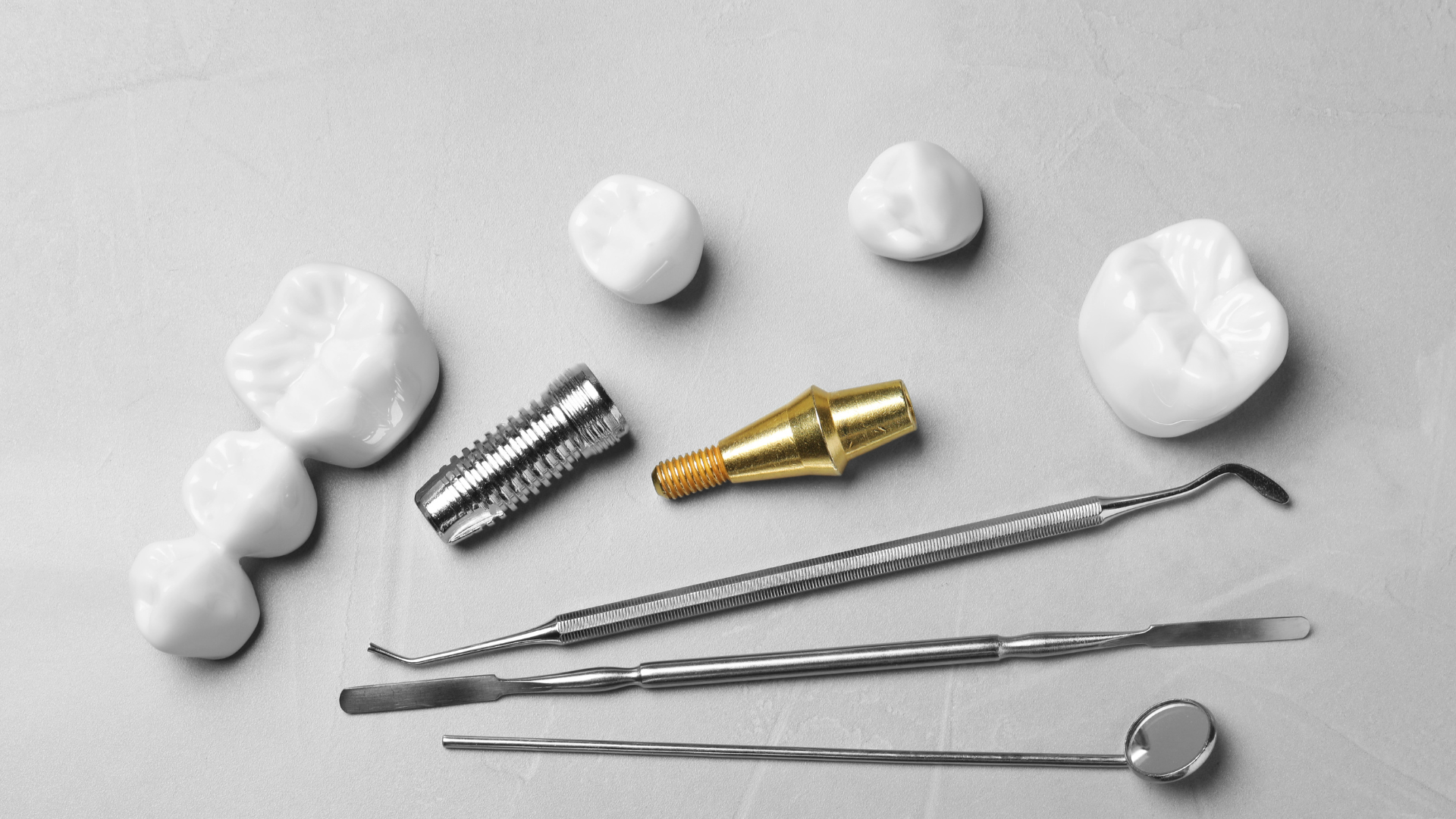
Comparing Dental Crowns to Natural Teeth
Strength Comparison
A dental crown is designed to be as durable as the rest of the tooth and is often 10 to 15 times stronger than natural teeth. Although porcelain and ceramic dental crown materials may seem fragile, they are equally as durable as natural teeth when chewing and biting. Zirconia crowns are even more resilient than healthy tooth enamel.
Durability in Daily Use
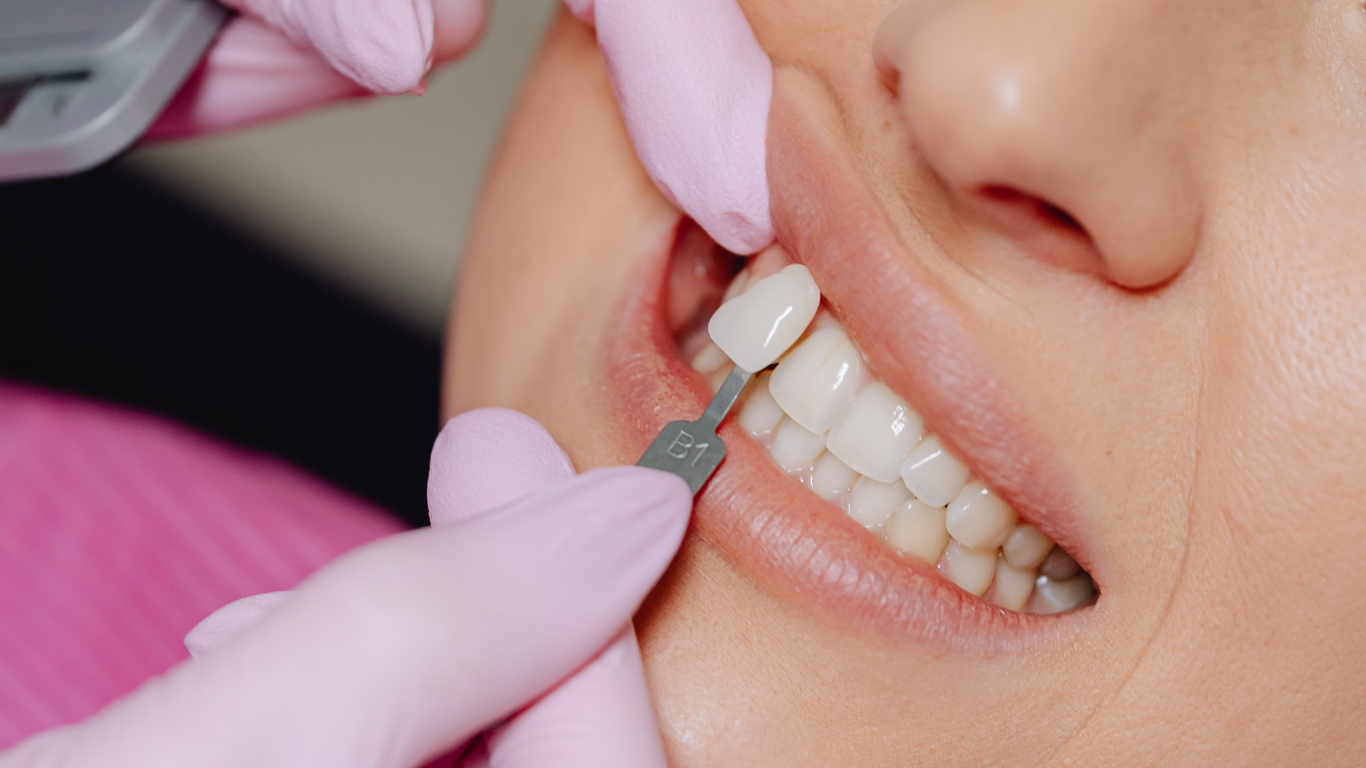
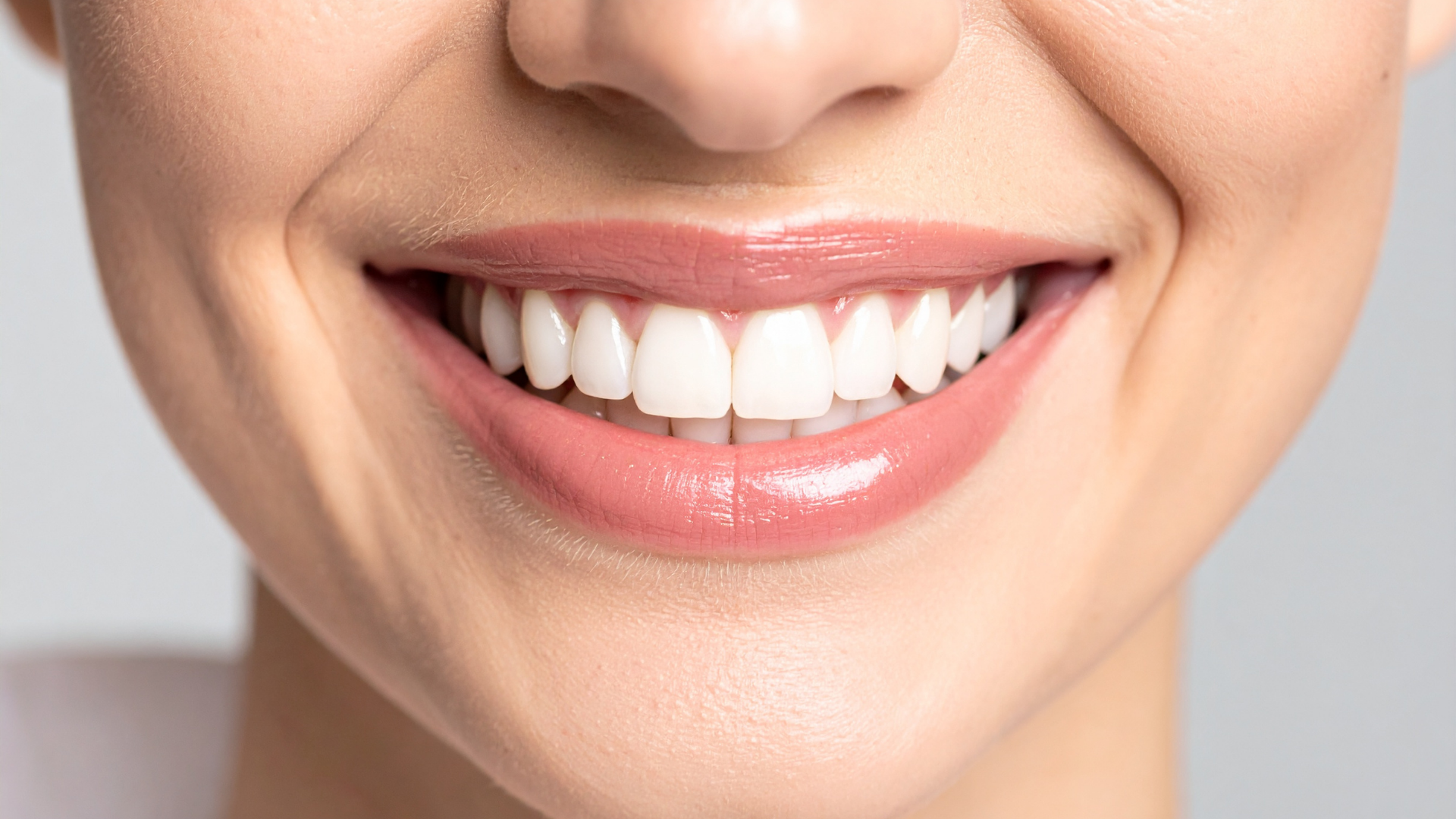
All ceramic dental crowns provide a natural appearance and color match that is amazingly lifelike and unsurpassed by any other type of crown. The goal in creating a ceramic crown is to mimic the light handling characteristics, and therefore appearance, of a natural tooth. Generally speaking, using very translucent materials is the best way to achieve this effect.
Potential Weaknesses
- Chipping and Cracking: While crowns are strong, they can still chip or crack under excessive pressure.
- Wear and Tear: Over time, crowns can wear down, especially if the patient grinds their teeth.
- Veneers versus Crowns: Veneers are generally less invasive but may not offer the same strength and durability as crowns.
Important: Regular dental check-ups are essential to ensure the longevity and effectiveness of your dental crowns.
Longevity of Dental Crowns
Factors Affecting Longevity
The longevity of a dental crown can depend on various factors, including the material used, the skill of the dentist, and the individual’s oral hygiene practices. Regular dental check-ups and good oral hygiene habits are essential to minimize crown damage risk and ensure long-term success.
Average Lifespan
Dental crowns are a good long-term option because they are durable and usually last for at least 5-20 years or more, which increases patient satisfaction with the treatment. If you notice wear, tear, or damage, it’s time to consult with your dentist.
Maintenance Tips
To keep your dental crown in good condition:
- Maintain regular dental check-ups.
- Follow good oral hygiene practices, including brushing and flossing.
- Avoid chewing hard foods or objects.
- Use a night guard if you grind your teeth.
Proper maintenance and care can significantly extend the lifespan of your dental crowns.
Strength of Crowns on Front vs. Back Teeth
Pressure Differences
The front teeth, also known as incisors and canines, primarily handle cutting and tearing food, subjecting them to less pressure than the back teeth. Molars and premolars endure the brunt of chewing forces, making the strength of crowns on these teeth particularly crucial. The material chosen for crowns on back teeth often needs to be more robust to withstand these pressures.
Common Issues
Crowns on front teeth can last between 5 to 20 + years, but several factors can affect their longevity:
- Grinding or clenching your teeth
- Chewing ice
- Biting your fingernails
- Using your teeth to open packages
Care Recommendations
To ensure the longevity of dental crowns, whether on the front or back teeth, consider the following care tips:
- Maintain good oral hygiene by brushing and flossing daily.
- Avoid using your teeth as tools to open packages or bite hard objects.
- Wear a mouthguard if you grind or clench your teeth at night.
- Visit your dentist regularly for check-ups and professional cleanings.
Proper care and material selection will maximize the lifespan of your dental crowns, regardless of their position in your mouth.
Choosing the Right Dental Crown
Material Considerations
Selecting the appropriate material for your dental crown is crucial. Factors such as the tooth's location, visibility when you smile, and function play a significant role. Your dentist will help you determine the best material based on these factors. Common materials include metal, porcelain, and zirconia, each with advantages and disadvantages.
Aesthetic Preferences
Aesthetic considerations are also important when choosing a dental crown. Porcelain and ceramic crowns are often preferred for front teeth due to their natural appearance. These materials can be color-matched to your surrounding teeth, providing a seamless look. If you are seeking cosmetic dentistry services in Palo Alto, consult with the best dentist Palo Alto has to offer for personalized recommendations.
Functional Needs
The functional requirements of the tooth being crowned are another critical factor. For instance, back teeth that endure more pressure from chewing may benefit from stronger materials like metal or zirconia. Your dentist will evaluate how much natural tooth remains and the position of your gum tissue to make the best recommendation.
Choosing the right dental crown involves balancing material properties, aesthetic desires, and functional needs. Consult with your dentist to make an informed decision.
Impact of Lifestyle on Crown Strength
Dietary Habits
The foods and beverages you consume can significantly impact the strength and longevity of your dental crowns. Avoiding hard and sticky foods can prevent potential damage. Additionally, limiting sugary and acidic foods can help maintain the integrity of your crowns and natural teeth.
Oral Hygiene Practices
Maintaining good oral hygiene is crucial for the durability of dental crowns. Regular brushing and flossing help prevent plaque buildup around the crown. Here are some tips:
- Use a soft-bristled toothbrush and non-abrasive toothpaste.
- Floss daily to remove food particles and plaque between teeth.
- Consider using an antibacterial mouthwash to reduce oral bacteria.
- Schedule regular dental check-ups to monitor the condition of your crowns.
Avoiding Harmful Activities
Certain habits can weaken or damage dental crowns. It's important to avoid:
- Biting on hard objects like ice or pens.
- Using your teeth to open packages.
- Grinding or clenching your teeth can exert excessive pressure on crowns.
By adopting healthy lifestyle habits, you can significantly enhance the strength and longevity of your dental crowns.
Frequently Asked Questions
What is stronger: a crown or a natural tooth?
A dental crown is designed to be as durable as the rest of the tooth and is often 10 to 15 times stronger than natural teeth. Although porcelain and ceramic dental crown materials may seem fragile, they are equally as durable as natural teeth when chewing and biting. Zirconia crowns are even more resilient than healthy tooth enamel.
How strong are porcelain crowns?
Porcelain crowns, often chosen for their durability and aesthetics, are popular in restorative dentistry. While porcelain crowns are highly durable, mimicking the toughness of enamel, they don’t outmatch the innate strength of healthy teeth. However, they offer exceptional durability, effectively protecting and restoring damaged teeth.
Are crowns stronger than natural teeth?
While porcelain crowns are highly durable and mimic the toughness of enamel, they don’t surpass the innate strength of healthy teeth. However, they offer exceptional durability and effectively protect and restore damaged teeth.
How long do dental crowns last?
The longevity of dental crowns can vary depending on several factors, including the material used, the skill of the dentist, and the individual's oral hygiene practices. On average, dental crowns can last between 5 to 20+ years.
How strong are the crowns on the front teeth?
The crowns on the front teeth are typically strong and durable. Since the front teeth don’t undergo as much pressure as the back teeth, these crowns can last between 5 and 20+ years. Factors such as grinding or clenching your teeth, chewing ice, and biting your fingernails can affect their longevity.
Can dental crowns break?
When properly designed and cared for, Crowns are typically strong and durable. However, like natural teeth, they can still be damaged under certain circumstances. Crowns can potentially crack or fracture if exposed to excessive force or if there are underlying issues, such as teeth grinding or biting on hard objects.
Blog | Bryant St Dental