Finding the Right Emergency Dentist in Palo Alto: Your Guide to Immediate Dental Care

Understanding Dental Emergencies

Common Types of Dental Emergencies

Dental emergencies can pop up when you least expect them, and knowing what counts as an emergency can save you a lot of trouble. Common types include severe toothaches, broken or chipped teeth, knocked-out teeth, and abscesses. Each of these issues requires different care, but they all need quick attention. At Bryant St. Dental, we're ready to help with any of these emergencies.


When to Seek Immediate Care

It's not always easy to know when to head straight to the dentist. But if you're in serious pain, notice swelling, or have a tooth that's been knocked out, it's time to get help fast. Immediate care can make all the difference in saving your tooth and easing your pain. Bryant St. Dental is dedicated to providing swift assistance in these critical moments.


How to Handle a Dental Emergency

Knowing what to do in a dental emergency can be a game-changer. Here are some steps to follow:


  1. Stay Calm: Panic won't help. Take a deep breath and assess the situation.
  2. Contact a Dentist: Call Bryant St. Dental or another local dentist to get advice and schedule an emergency appointment.
  3. Care for the Injury: If a tooth is knocked out, try to place it back in the socket or keep it in a glass of milk until you see the dentist.
  4. Manage Pain: Use over-the-counter pain relief and cold compresses to ease discomfort until you can see a professional.


In the whirlwind of a dental emergency, having a plan can provide a sense of control and direction. Bryant St. Dental is here to guide you through these unexpected challenges.


Choosing the Right Emergency Dentist in Palo Alto

Factors to Consider When Selecting a Dentist

Choosing the right dentist in Palo Alto for emergencies can feel overwhelming, especially when you're in pain. Here’s what to keep in mind:


  • Availability: Make sure the dentist offers emergency services and can accommodate you quickly.
  • Reputation: Look for reviews and testimonials. Bryant St. Dental is known for its patient-friendly approach.
  • Services Offered: Check if they provide the specific care you might need, like extractions or root canals.


Importance of Location and Accessibility

When you're in a hurry, the last thing you want is a long drive. A Palo Alto dentist like Bryant St. Dental is conveniently located, so you can get there fast. Consider:


  • Proximity to your home or work
  • Parking availability
  • Public transport options


Evaluating Dentist Qualifications and Experience

You want someone who knows their stuff. Here's how to check:


  1. Look for certifications and memberships in professional organizations.
  2. Ask about their experience with emergency procedures.
  3. See if they continue to update their skills with new dental technologies.


Picking the right emergency dentist is about more than just convenience. It's about finding someone you trust to take care of you when it matters most.
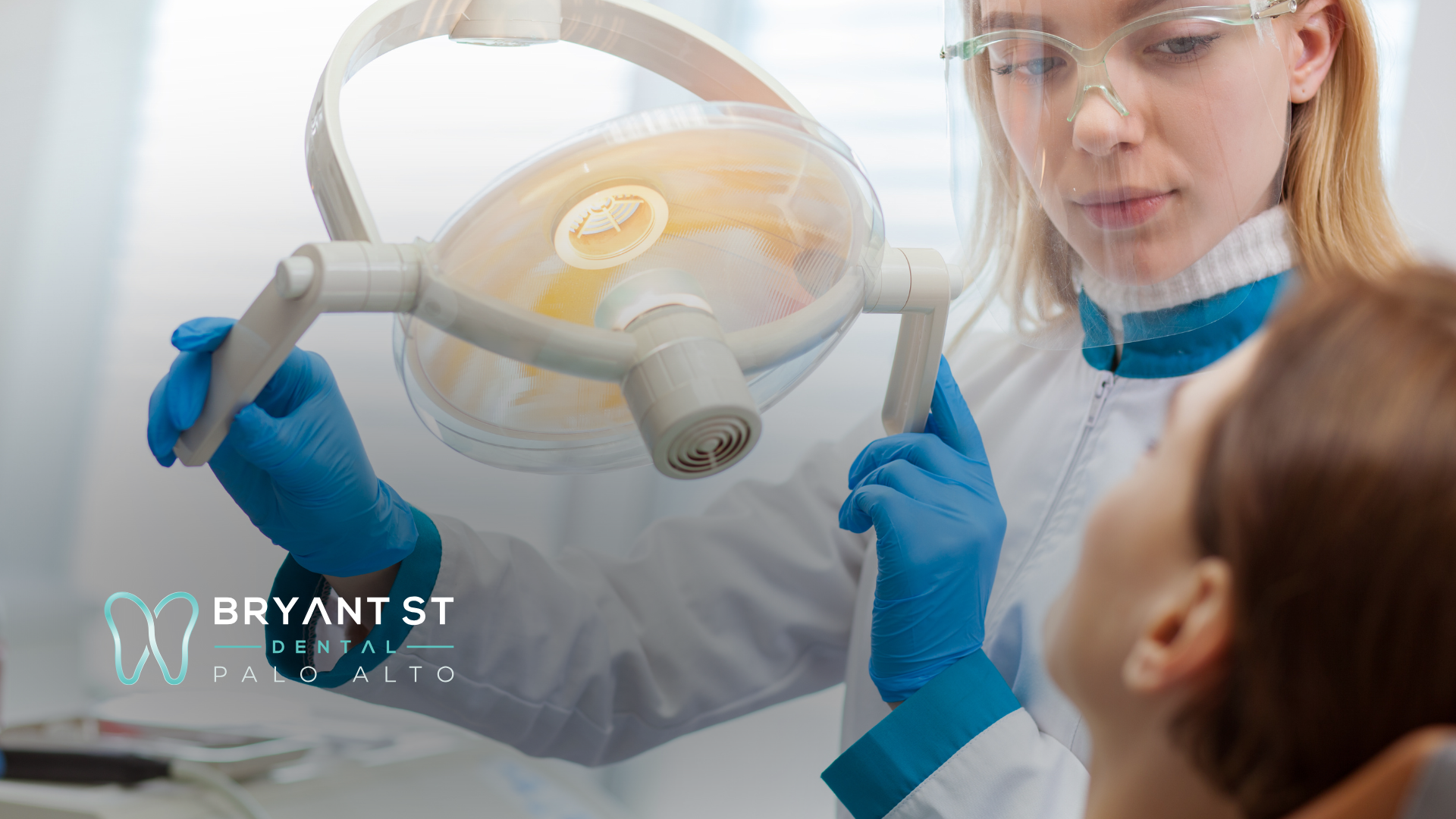
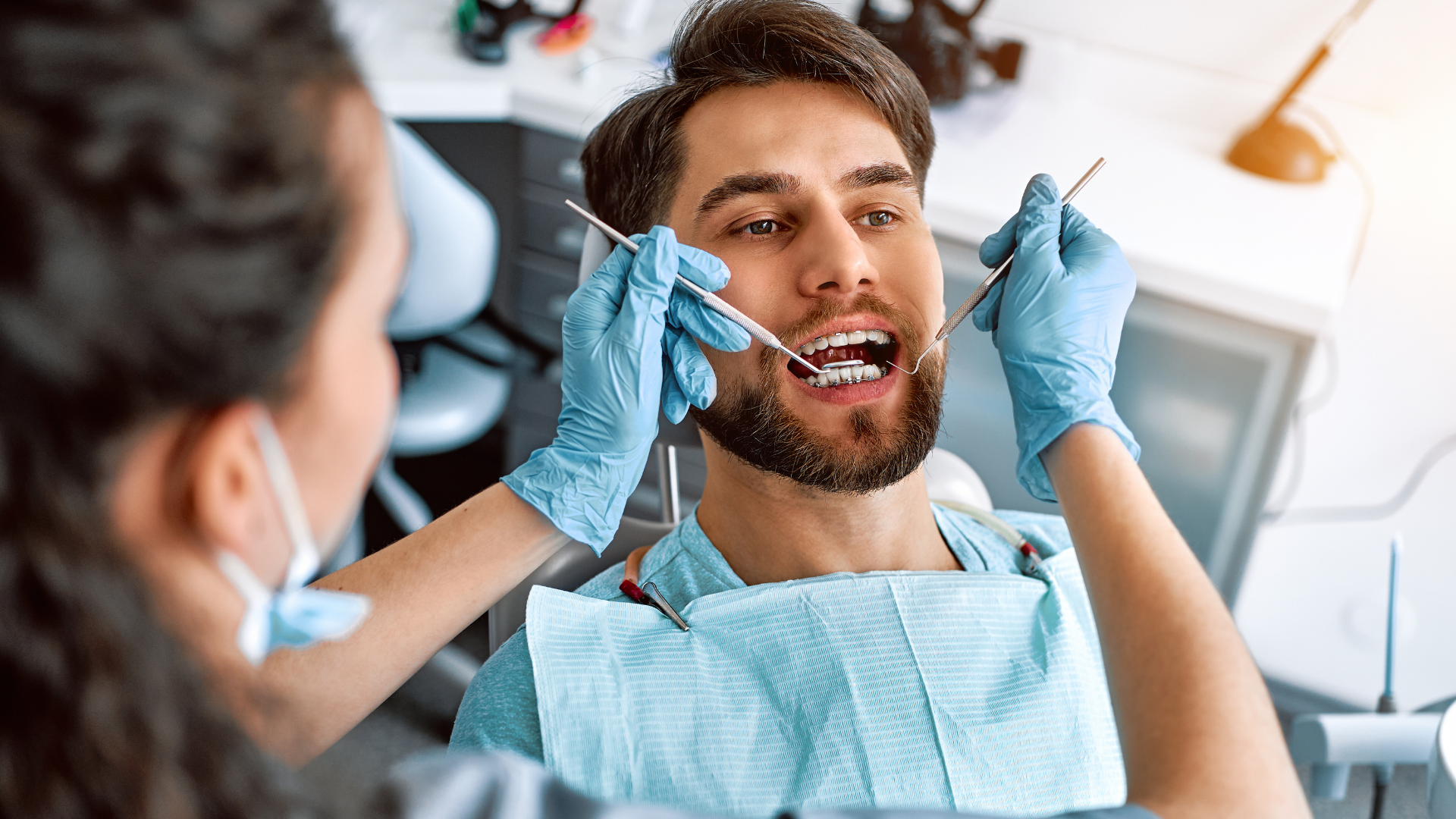
A female dentist is examining a patient 's teeth in a dental office.
Call us now!

Services Offered by Emergency Dentists

Range of Emergency Dental Services

Emergency dentists are there for you when a dental crisis hits. These professionals provide a wide array of services to tackle urgent issues. From severe toothaches to broken teeth, they have the skills to manage it all. At Bryant St. Dental, you'll find services like root canals, extractions, and even temporary fillings. These treatments aim to relieve pain quickly and prevent further damage.


Specialized Treatments Available

Some dental emergencies require more than just a quick fix. For those, specialized treatments are available. Whether it's dealing with an abscess or a knocked-out tooth, emergency dentists offer advanced care. At Bryant St. Dental, they can handle complex cases with precision. They might use sedation for patients who are anxious or in severe pain, ensuring the process is as smooth as possible.


Handling Dental Trauma and Pain

Dental trauma can be scary and painful. The good news is that emergency dentists are equipped to manage these situations effectively. They can stabilize teeth that have been knocked out or reposition those that have been shifted. Managing pain is also a top priority. Emergency dental care often includes pain relief options to ensure comfort during and after treatment. At Bryant St. Dental, they focus on getting you back to normal as quickly as possible.

When a dental emergency strikes, knowing where to turn can make all the difference. Bryant St. Dental is ready to provide the urgent care you need, with a commitment to quick relief and expert handling of all dental emergencies.


Insurance and Costs for Emergency Dental Care

Understanding Emergency Dental Insurance

When you're in the middle of a dental emergency, the last thing you want to worry about is whether your insurance will cover the costs. It's important to know ahead of time if your insurance plan includes emergency dental care. Some plans might cover a portion of the costs, while others might offer full coverage. Bryant St. Dental is known for being transparent about which insurance policies they accept, so it's a good idea to check with them directly.


Cost of Emergency Dental Services

Emergency dental care can be pricey, especially if you need immediate attention. Costs can vary depending on the type of treatment you require. Here's a quick rundown of potential expenses:


  • Initial consultation: $100 - $200
  • X-rays: $50 - $150
  • Tooth extraction: $150 - $300
  • Root canal: $500 - $1,000


It's crucial to ask upfront about any additional fees that might apply, especially for after-hours services.


Tips for Managing Dental Expenses

Managing unexpected dental costs can be tricky, but there are ways to ease the financial burden:


  1. Check Your Insurance Coverage: Always verify what your insurance plan covers before an emergency arises.
  2. Inquire About Payment Plans: Many dental offices, including Bryant St. Dental, offer payment plans to help spread out the costs.
  3. Ask for an Estimate: Before starting any procedure, request an estimate to avoid surprises when the bill arrives.


Remember, dealing with a dental emergency is stressful enough without financial worries. Being prepared can make a big difference in how you handle the situation.


Patient Experience and Convenience

Importance of a Welcoming Environment

Walking into a dental office can be nerve-wracking for some, but at Bryant St. Dental, they aim to make you feel right at home. The atmosphere is relaxed and friendly, ensuring that from the moment you step in, you're greeted with warmth. A welcoming environment is not just about aesthetics; it's about creating a space where patients feel comfortable and at ease. This approach helps reduce anxiety and makes dental visits more pleasant.


Flexible Appointment Scheduling

Life is unpredictable, and dental emergencies don't wait for convenient times. That's why Bryant St. Dental offers flexible scheduling options. Whether you need an early morning appointment or a late evening slot, they try to accommodate your needs. This flexibility is crucial for those with busy schedules or sudden dental issues. It’s a relief knowing you can get the care you need without rearranging your entire day.


Online Booking and Consultation Options

In today’s digital age, convenience is key. Bryant St. Dental understands this, offering online booking and consultation options. You can easily schedule appointments through their website without having to make a call. This feature is particularly handy for those who prefer managing their appointments digitally. Plus, virtual consultations can save you a trip if you're unsure whether you need to visit in person.


At Bryant St. Dental, they believe in making dental care as accessible and stress-free as possible. By focusing on patient experience and convenience, they ensure that your journey to better oral health is smooth and hassle-free.


Technology and Facilities in Emergency Dentistry

State-of-the-Art Diagnostic Tools

When you're in the thick of a dental emergency, having cutting-edge diagnostic tools can make all the difference. At Bryant St. Dental, they use digital X-rays, which give clear images quickly, helping dentists see what's going on without the wait. Intraoral cameras are another nifty tool, letting both you and the dentist get a good look inside your mouth—handy for spotting issues that might not be obvious at first glance. And for those tricky cases, 3D imaging comes into play, offering precise treatment planning that can be crucial in an emergency.


Advanced Treatment Methods

Once the problem's been pinpointed, it's time to tackle it with some advanced methods. Laser dentistry is a game-changer here. It means less pain and faster healing, which is exactly what you want when you're already in discomfort. If you're looking at needing an implant, computer-guided techniques ensure they’re placed accurately, reducing the chance of complications. And for those who get a bit jittery in the dentist's chair, advanced sedation options are available to help keep you calm and comfy.


Ensuring Patient Comfort with Modern Technology

Let's face it, dental emergencies are stressful enough without worrying about comfort. That's why Bryant St. Dental invests in modern tech that makes a big difference in patient experience. From ergonomic chairs to soothing lighting, every detail is considered to keep stress levels down. Plus, with tech like noise-cancelling headphones, you can zone out and relax while they do their thing.


At Bryant St. Dental, they believe that the right mix of technology and care can turn a dental emergency from a nightmare into a manageable situation. It's all about making sure you get the best care possible, as comfortably as possible.


Finding an Emergency Dentist Near You

Using Online Directories and Reviews

In today's digital age, the internet can be your best friend when hunting for an emergency dentist. Online directories are a great starting point. They often list dentists by location, allowing you to find someone close by quickly. Make sure to read patient reviews. These can provide insights into the quality of care and the experiences of others. Platforms like Yelp or Google Reviews can be particularly useful.


Checking Dentist Availability

Once you have a list of potential dentists, the next step is to check their availability. Dental emergencies don't wait, so you'll need someone who can see you immediately. Call their office to confirm they can accommodate your situation. It's also wise to ask about their hours of operation—some clinics might offer after-hours services, which could be a lifesaver.


Contacting Local Dental Associations

If you're still unsure, reaching out to local dental associations can be a smart move. They often have up-to-date information about reputable emergency dentists in your area. The American Dental Association (ADA) or your state’s dental board can guide you to certified professionals. They might even provide recommendations based on your specific needs.


When a dental crisis hits, having a plan in place can make all the difference. Don't wait until you're in pain to start your search. Prepare in advance by knowing where to find help, so you're not scrambling when time is of the essence.


In Palo Alto, Bryant St. Dental is a popular choice for many locals seeking emergency care. Their reputation for quick and compassionate service makes them a standout in the community. Whether you're dealing with a sudden toothache or a more serious issue, knowing where to turn can ease the stress of a dental emergency. Remember, the right dentist is just a call or click away.


Conclusion

Finding the right emergency dentist in Palo Alto doesn't have to be a daunting task. By keeping a few key points in mind, like checking their services, location, and insurance acceptance, you can make a more informed choice. Remember, in a dental emergency, time is of the essence, so having a plan in place can save you a lot of stress. Whether it's a sudden toothache or a chipped tooth, knowing where to go for immediate care can make all the difference. So, take a moment now to research and choose a dentist you can rely on when the unexpected happens. Your future self will thank you!


Frequently Asked Questions

  • What should I do if I have a sudden toothache?

    If you have a sudden toothache, rinse your mouth with warm water and gently floss to remove any food stuck between your teeth. Avoid putting aspirin on your gums and see a dentist as soon as possible.

  • How can I find an emergency dentist near me?

    You can find an emergency dentist by searching online directories, reading reviews, or asking for recommendations from friends and family. You can also contact local dental associations for assistance.

  • Does dental insurance cover emergency visits?

    Dental insurance often covers emergency visits, but coverage can vary. It's best to check with your insurance provider to understand what is included in your plan.

  • What counts as a dental emergency?

    A dental emergency includes situations like severe tooth pain, a knocked-out tooth, a broken tooth, or an infection. If you're unsure, it's better to contact a dentist for advice.

  • Can I book an emergency dental appointment online?

    Yes, many dental offices offer online booking for emergency appointments. Check the dentist's website to see if this option is available.

  • What if I can't afford emergency dental care?

    If you're worried about costs, talk to the dental office about payment plans or financial assistance options. Some dentists offer flexible payment solutions to help manage expenses.

Learn More!

Disclaimer: The information provided in this blog is for general informational purposes only and does not constitute professional dental advice. While we strive to provide accurate and up-to-date information, Bryant St. Dental makes no representations or warranties of any kind, express or implied, about the completeness, accuracy, reliability, suitability, or availability with respect to the blog or the information contained herein. Any reliance you place on such information is therefore strictly at your own risk. For personalized dental advice, we recommend consulting with a qualified dental professional.


By including this disclaimer, the blog clarifies that the information provided is not a substitute for professional advice, thereby reducing potential legal risks.


Blog | Bryant St Dental
August 20, 2026
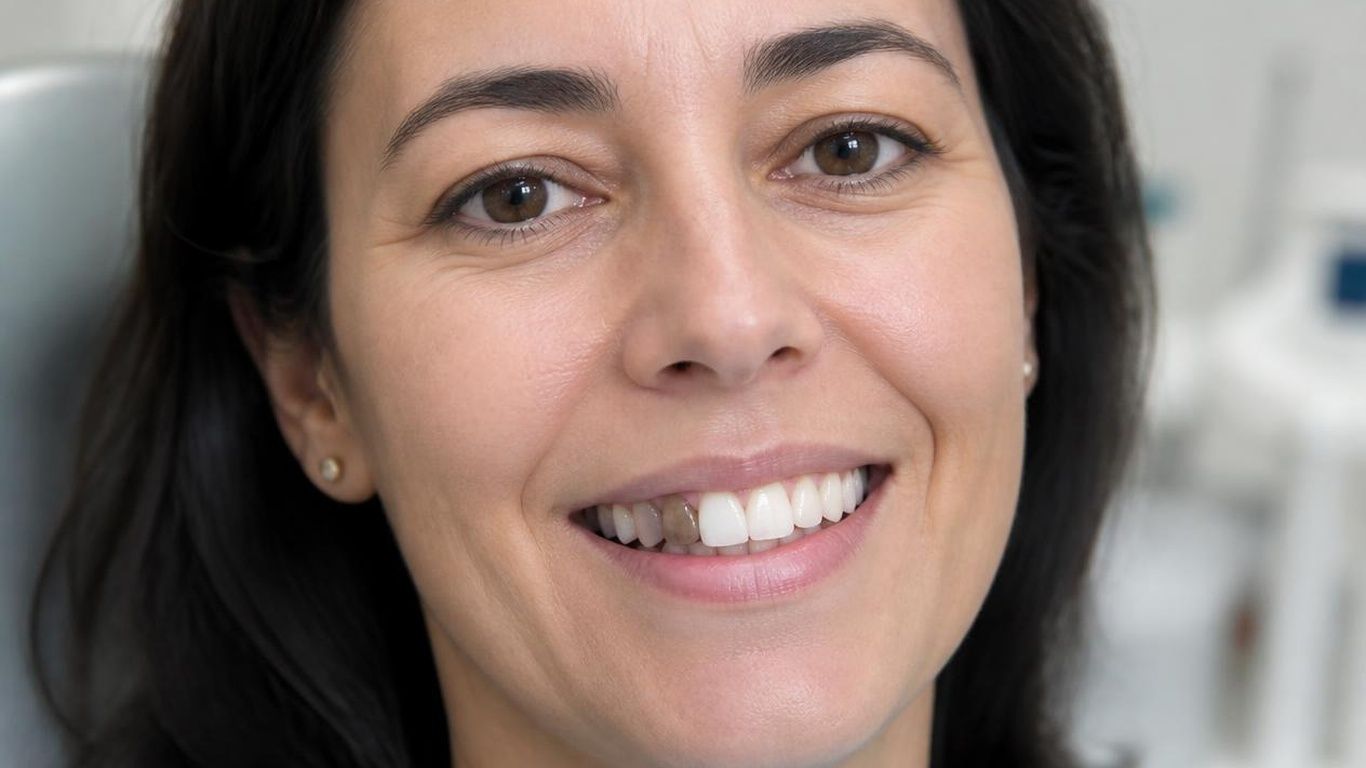
If a filling or crown just came loose or fell out entirely, here's the direct answer: rinse the area gently, protect the exposed tooth with over-the-counter dental cement or a small piece of sugar-free gum, use a dab of clove oil for pain if needed, avoid chewing on that side, and call an emergency dentist in Palo Alto within 24 to 48 hours, sooner if you're in real pain. What you do in the next few hours matters less than what you avoid doing, so start there. Quick Answer: Save the piece if you have it, keep the area clean, use temporary dental cement or clove oil for comfort, and never use super glue, then get to a dentist as soon as you reasonably can. Why This Isn't (Usually) a True Emergency — But Isn't Nothing Either Losing a filling or crown exposes the softer, more sensitive layer of tooth underneath, which is why it can suddenly feel painful even if the tooth itself isn't in immediate danger. Bryant St. Dental's guide to common dental emergencies covers this alongside more urgent situations like a knocked-out tooth — the difference is timing, not whether you should take it seriously. Left unprotected for too long, the exposed tooth is more vulnerable to further damage, and neighboring teeth can gradually shift into the gap where a crown once sat. What to Do Right Now Find the piece, if you can. Rinse it gently with cool water — don't scrub it — and bring it with you to your appointment. A dentist may be able to re-cement an intact crown rather than making a new one. Protect the exposed tooth. Over-the-counter dental cement (sold at most pharmacies) can temporarily hold a loose crown in place or seal a lost filling. If you don't have any on hand, a small piece of sugar-free gum pressed gently into the space works as a stopgap — avoid sugared gum, which feeds the bacteria already exposed at the site. Manage discomfort. A small amount of clove oil dabbed onto the sensitive area with a cotton swab has a mild, temporary numbing effect. Over-the-counter pain relievers and a cold compress on the outside of the cheek can help with any swelling or soreness. Avoid chewing on that side. The exposed tooth structure is weaker without its filling or crown, and biting down on it — especially on anything hard or sticky — risks cracking it further. Call your dentist. Even without pain, an exposed tooth needs professional attention. Most offices can see you within a day or two for something like this. What Not to Do Don't reach for super glue or other household adhesives. They're not designed for use in the mouth, can be toxic if swallowed, and can make it harder for your dentist to properly re-cement the crown later. Don't ignore it because it doesn't hurt. A missing filling or crown still exposes the tooth to decay and damage even when there's no pain yet. Don't wait through the weekend hoping it settles down on its own. It won't — the tooth will still be exposed on Monday, and by then it may hurt more. When to Treat It as More Urgent Most lost fillings and crowns can comfortably wait a day or two for a regular appointment. Call sooner, or seek same-day emergency dental care, if you notice: Severe or throbbing pain that over-the-counter medication doesn't touch Visible swelling in the gum, cheek, or jaw Fever alongside tooth pain (a possible sign of infection) Difficulty biting down, swallowing, or opening your mouth fully If you develop facial swelling along with a fever, or any difficulty breathing or swallowing, treat that as a medical emergency and seek immediate care rather than waiting for a dental appointment. What Happens at Your Appointment For a lost filling, your dentist will remove any remaining decay and place a new filling—usually a straightforward, single-visit fix. For a lost crown, if the crown itself is undamaged, your dentist may be able to clean it and re-cement it back in place the same day. If it's cracked or if decay has changed the shape of the tooth underneath, you'll likely need a new crown, typically a two-visit process with a temporary crown in place while the permanent one is fabricated. Frequently Asked Questions
August 20, 2026
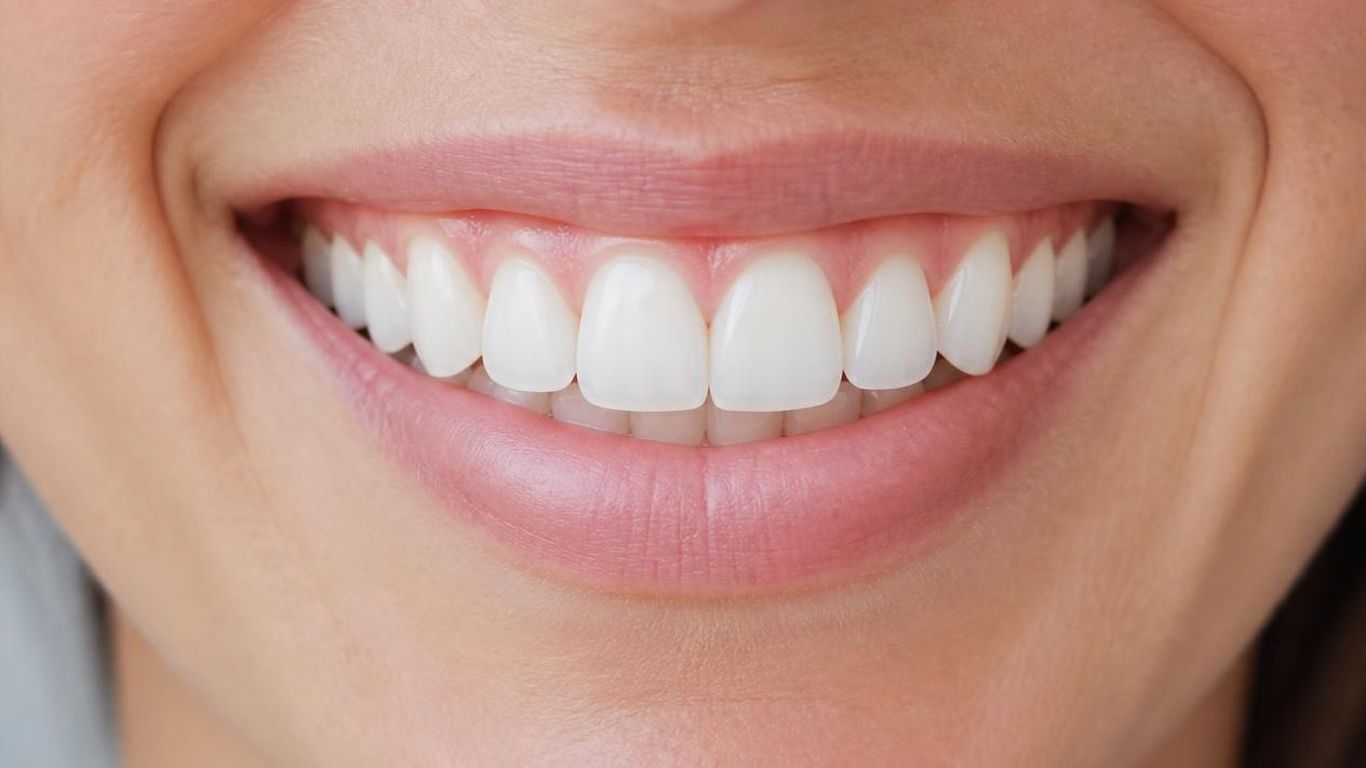
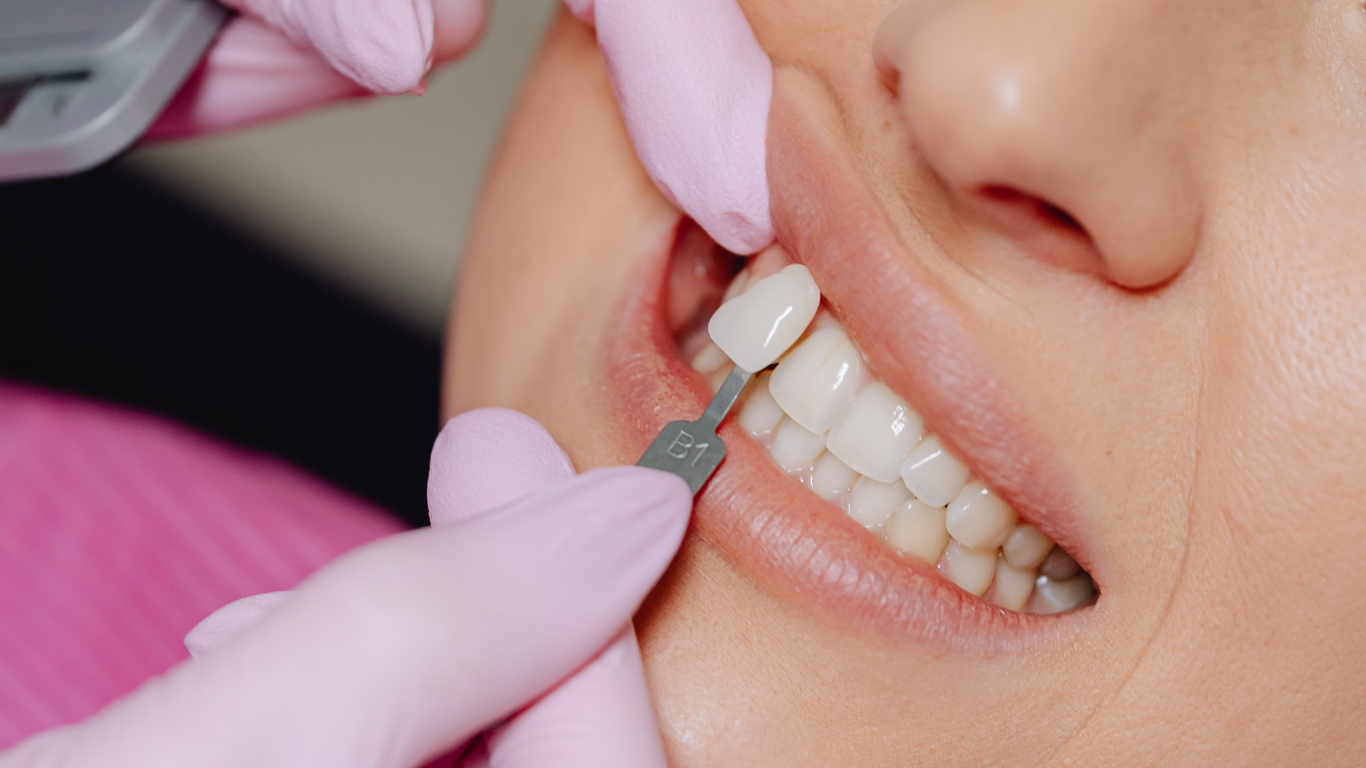
Searching for a cosmetic dentist in Palo Alto usually means you already know you want a better smile — you're just not sure which treatment gets you there. Direct answer: whitening is the fastest, least invasive option for brightening the color of your natural teeth; bonding is a same-visit fix for small chips, gaps, and discoloration on individual teeth; and veneers are the most durable option when you want to reshape or dramatically brighten several teeth at once. The right choice depends on whether your concern is color, shape, or both. Quick Answer: If your teeth are the right shape but the wrong shade, start with whitening. If one or two teeth have a chip, gap, or stain that whitening won't fix, bonding is usually enough. If you want a complete, long-lasting transformation across several teeth, veneers are the stronger investment. Teeth Whitening: The Starting Point for Most Smiles If you're exploring cosmetic dentistry in Palo Alto for the first time, whitening is usually the lowest-commitment place to start. In-office bleaching uses a stronger concentration than take-home kits, while a dentist-supervised at-home tray can take anywhere from a few days to a few weeks to reach full results. Best for teeth that are stained or dulled by coffee, tea, wine, or age — not for teeth that are chipped, gapped, or misshapen No enamel is removed, and the effect is reversible — your natural tooth color will gradually return over time Look for a whitening product carrying the ADA Seal of Acceptance, whether you're doing it in-office or at home One catch: whitening only works on natural tooth enamel. If you're also considering bonding or veneers, whiten first — bleaching gel doesn't change the color of composite resin or porcelain once it's already on the tooth. Dental Bonding: The Same-Day Fix for Small Flaws Bonding uses a tooth-colored composite resin that's sculpted directly onto the tooth, hardened with a curing light, and polished to blend in. It's the right call for a chipped edge, a small gap, or a single discolored spot that whitening can't touch. Typically completed in under an hour per tooth, often in one visit No anesthesia needed in most cases Composite bonding averages 5 to 7 years before it needs to be touched up or replaced — noticeably less than veneers, but at a lower cost and with no enamel removal Bonding is a good test run, too: it's reversible-ish (your dentist can adjust or replace it without reshaping the underlying tooth the way a veneer requires), which makes it a lower-stakes way to address one or two flaws before committing to a bigger treatment plan. Porcelain Veneers: The Long-Term Transformation Veneers are thin, custom-fabricated shells bonded to the front of your teeth — the option most people picture when they think "smile makeover." A veneer is designed to look natural while resisting stains far better than your untreated enamel would. Ideal for teeth that are stained in a way whitening can't fix, chipped, worn down, gapped, or slightly uneven in shape Placing a veneer is not reversible, because your dentist removes a small amount of enamel to make room for the shell — a real tradeoff worth discussing before you commit Porcelain veneers typically last 10 to 15 years, with well-cared-for veneers often performing well past 20 years, while composite veneers run closer to 5 to 7 years A peer-reviewed follow-up study found ceramic veneers bonded fully to enamel had a 99% survival rate over 12 years — a strong argument for enamel preservation during the fitting process Because the treatment is permanent, veneers make the most sense when you're addressing shape and color together, not just color on its own. Side-by-Side: What Actually Separates the Three
July 30, 2026
Palo Alto families choose Bryant St Dental for three reasons: a dentist with more than 21 years of experience, a genuinely calm office built around reducing dental anxiety, and one practice that covers everything from routine cleanings to Invisalign under one roof. The practice has also won the Best Dentistry Award in both 2023 and 2024. Quick Takeaways One dentist, 21+ years of experience, treating every age from toddlers to grandparents Best Dentistry Award winner in both 2023 and 2024 Diamond Plus, Top 1% Invisalign provider for teens and adults Private treatment rooms designed to reduce dental anxiety Most major insurance accepted, with financing options for larger treatment plans Finding One Dentist Your Whole Family Actually Wants to See Juggling separate dentists for kids, teens, and adults gets old fast. Different offices, different schedules, different comfort levels with a squirmy six-year-old or an anxious teenager staring down their first set of aligners. Bryant St Dental was built to solve exactly that problem. At Bryant St Dental's Services page , the practice lists routine cleanings, cosmetic dentistry, dental implants, Invisalign for teens and adults, and emergency care all under Dr. Chad Abed's supervision, so a family in University South or anywhere else in Palo Alto can bring every generation to the same address. The Track Record Behind the Trust A practice doesn't win back-to-back local awards by accident. Bryant St Dental was named winner of the Best Dentistry Award in both 2023 and 2024, and the American Dental Association notes that consistent, ongoing dental visits are one of the strongest predictors of long-term oral health across a family's lifespan, from childhood cavity prevention through adult gum disease screening. That consistency shows up in the numbers. The practice has built a base of more than 880 patient reviews, and Dr. Abed's team completes more than 400 Invisalign cases each year as a Diamond Plus, Elite Top 1% provider, alongside general dentistry, cosmetic work, and emergency visits for the same families year after year. What Actually Changes the Experience for Families Beyond the credentials, a few practical details are what parents mention most often: Private treatment rooms instead of open bays, which matters for anxious kids and adults alike Same-day emergency care for the inevitable chipped tooth or after-school fall Digital iTero scanning instead of messy physical impressions for Invisalign and other treatments Most major insurance accepted , with Sunbit financing available for treatment plans that need it A holistic, preventive philosophy that treats the whole mouth, not just the immediate complaint Frequently Asked Questions About Invisalign in Palo Alto
July 30, 2026
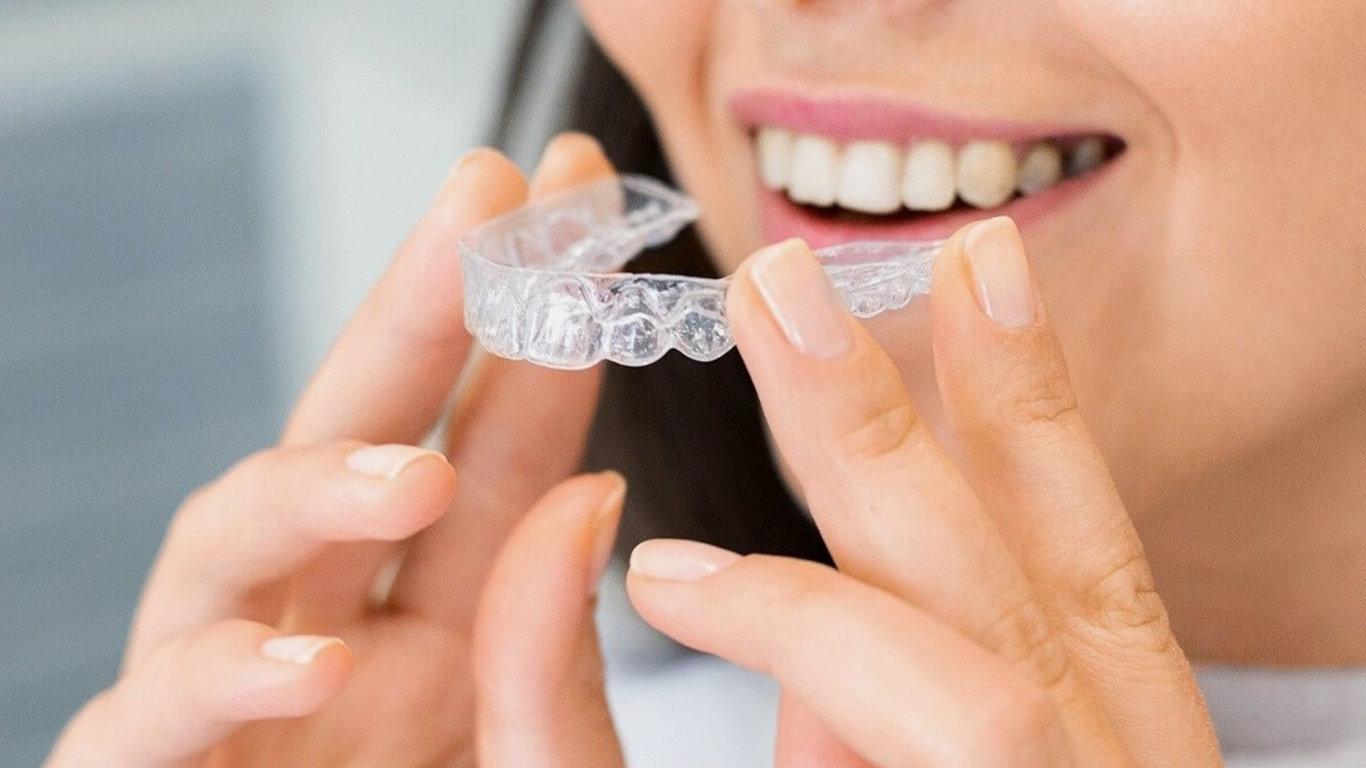
Most Invisalign patients need somewhere between 20 and 40 trays, worn in sequence for one to two weeks each, over a total treatment window of 12 to 18 months. Mild crowding or small gaps can wrap up in as few as 14 trays. Complex bite corrections can run past 40. Your exact number depends on how much movement your teeth need, not on a fixed formula. Quick Takeaways Tray count tracks with case complexity, not with age or how "bad" your smile looks to you Mild cases: roughly 14–26 trays over 6–18 months Moderate cases: roughly 28–36 trays over 12–18 months Complex cases: 36 or more trays, sometimes 18–24+ months You'll typically switch trays every one to two weeks and see your dentist every four to six weeks The Question Every New Invisalign Patient Asks You've booked a consultation. Maybe you've already had your teeth scanned. And somewhere between the excitement of a straighter smile and the reality of wearing a retainer-like device for over a year, one number keeps nagging at you: how many trays is this actually going to take? It's a fair question, and it deserves a real answer rather than a marketing brochure. At Bryant St Dental , our team handles more than 400 Invisalign cases a year as a Diamond Plus, Top 1% provider, so we see the full range — five-tray touch-ups and forty-plus-tray reconstructions alike. Here's what actually drives that number. What Determines Your Invisalign Tray Count Every plan is built around movement, not appearance. An orthodontist doesn't count how crooked your teeth look. They count how many stages of movement it takes to get from your current bite to your target bite, and each tray only shifts teeth by about 0.25mm. That means two people with similar-looking smiles can end up with very different tray counts, because the underlying tooth roots, bite alignment, and jaw spacing aren't the same. According to the American Association of Orthodontists, clear aligner systems like Invisalign move teeth through a series of custom, incremental stages, and the number of stages is set individually for each patient's treatment plan. Three things move that number the most: Case complexity — spacing and mild crowding need far fewer trays than crossbites, rotated teeth, or significant crowding Jaw bone density — denser bone (more common in older adults) slows tooth movement and can add trays or extend wear time per tray Consistency — Invisalign is built around wearing each tray 20 to 22 hours a day; skipping that adds trays or restarts stages, not fewer Typical Tray Counts by Case Type  Bring these ranges to your consultation as a benchmark, not a promise — your dentist's scan will give you the real number. Mild cases (small gaps, minor crowding): about 14–26 trays, 6–18 months Moderate cases (uneven bites, moderate crowding): about 28–36 trays, 12–18 months Complex cases (large gaps, crossbites, severe crowding): 36+ trays, often 18–24 months or more Most patients land in the moderate range and change trays every one to two weeks, with a check-in visit every four to six weeks to confirm things are tracking to plan. Frequently Asked Questions About Invisalign in Palo Alto
Three silver spiral bracelets on a light blue background
June 17, 2026
Discover 9 ways a cosmetic dentist in Palo Alto can transform your smile and confidence. From veneers to teeth whitening, Bryant Street Dental has you covered.
Three translucent blue chain links arranged in a triangle on a light blue background
June 17, 2026
Looking for Invisalign in Palo Alto? Bryant Street Dental shares 7 proven reasons patients choose clear aligner therapy for a straighter, healthier smile. Schedule today.
Dentist consulting with a smiling patient in a bright dental clinic, with dental equipment nearby
May 26, 2026
Planning a smile makeover? Discover 9 critical factors to check from board licensing to local credentials before choosing a cosmetic dentist in Palo Alto.
A patient sitting in a dental chair adjusting a clear aligner tray onto their teeth.
April 17, 2026
Discover why choosing a specialist for Invisalign in Palo Alto makes a difference. Get custom treatment plans, digital smile simulations, and expert orthodontic care.
A dentist with gloved hands examines the teeth of a patient seated in a dental chair.
April 17, 2026
Facing a dental emergency in Palo Alto? Avoid these 7 critical mistakes that could cost you a tooth. Learn immediate first-aid steps and when to call an emergency dentist.
A close-up of a person lifting their upper lip to reveal red, inflamed gums around the upper teeth.
March 12, 2026
Discover why laser gum treatment in Palo Alto is the gentle, minimally invasive alternative to traditional surgery. Learn about recovery, costs, and benefits.
Show More