Persistent Bad Breath That Won't Go Away
You brush, you floss, you use mouthwash, and yet, that unpleasant smell just lingers. It's more than just a minor annoyance; persistent bad breath, or halitosis, can be a real sign that something isn't quite right in your mouth. While occasional bad breath can happen after eating certain foods, if it's a constant companion, it might be time to look deeper. This isn't just about social awkwardness; it can point to underlying issues that need attention.
Halitosis Despite Good Oral Hygiene
It's frustrating, isn't it? You're diligent with your brushing and flossing routine, but that stale odor persists. This stubborn bad breath, even when you're keeping up with your oral hygiene, often signals that bacteria are thriving in places your toothbrush can't quite reach. These bacteria break down food particles and can produce sulfur compounds, which are the main culprits behind that persistent smell.
Sometimes, it's not just about cleaning more; it's about cleaning better or addressing the root cause.
Lingering Unpleasant Taste
Closely related to persistent bad breath is a lingering, unpleasant taste in your mouth. You might describe it as metallic, bitter, or just generally "off." This sensation often goes hand-in-hand with halitosis because the same bacteria causing the odor are also affecting your taste buds. It can alter the taste of food or simply leave a constant, unwelcome presence in your mouth. If you're experiencing this, it's a strong indicator that your oral environment needs a closer look.
When these symptoms don't improve with regular care, it might be time to consider professional help. A good dentist in Palo Alto can help figure out what's going on. At Bryant St Dental, we see patients who are dealing with this, and often, it's a sign of early gum disease. If you're in the Palo Alto area and struggling with persistent bad breath or taste issues, exploring options like laser gum treatment in Palo Alto could be a smart move. It's about getting to the bottom of the problem, not just masking the symptoms.
Sometimes, the simplest explanation is the most overlooked. When your mouth feels clean but smells or tastes bad, it's your body's way of telling you to investigate further. Don't ignore these signals; they are important clues to your overall oral health.
Here are a few things that might be contributing:
- Bacterial Overgrowth: The most common cause, where harmful bacteria multiply.
- Gum Inflammation: Early stages of gum disease can create pockets where bacteria hide.
- Dry Mouth: Saliva helps cleanse the mouth; less saliva means more lingering bacteria.
- Underlying Health Conditions: Although less common, persistent bad breath can sometimes be associated with other health issues.
Noticeable Gum Recession
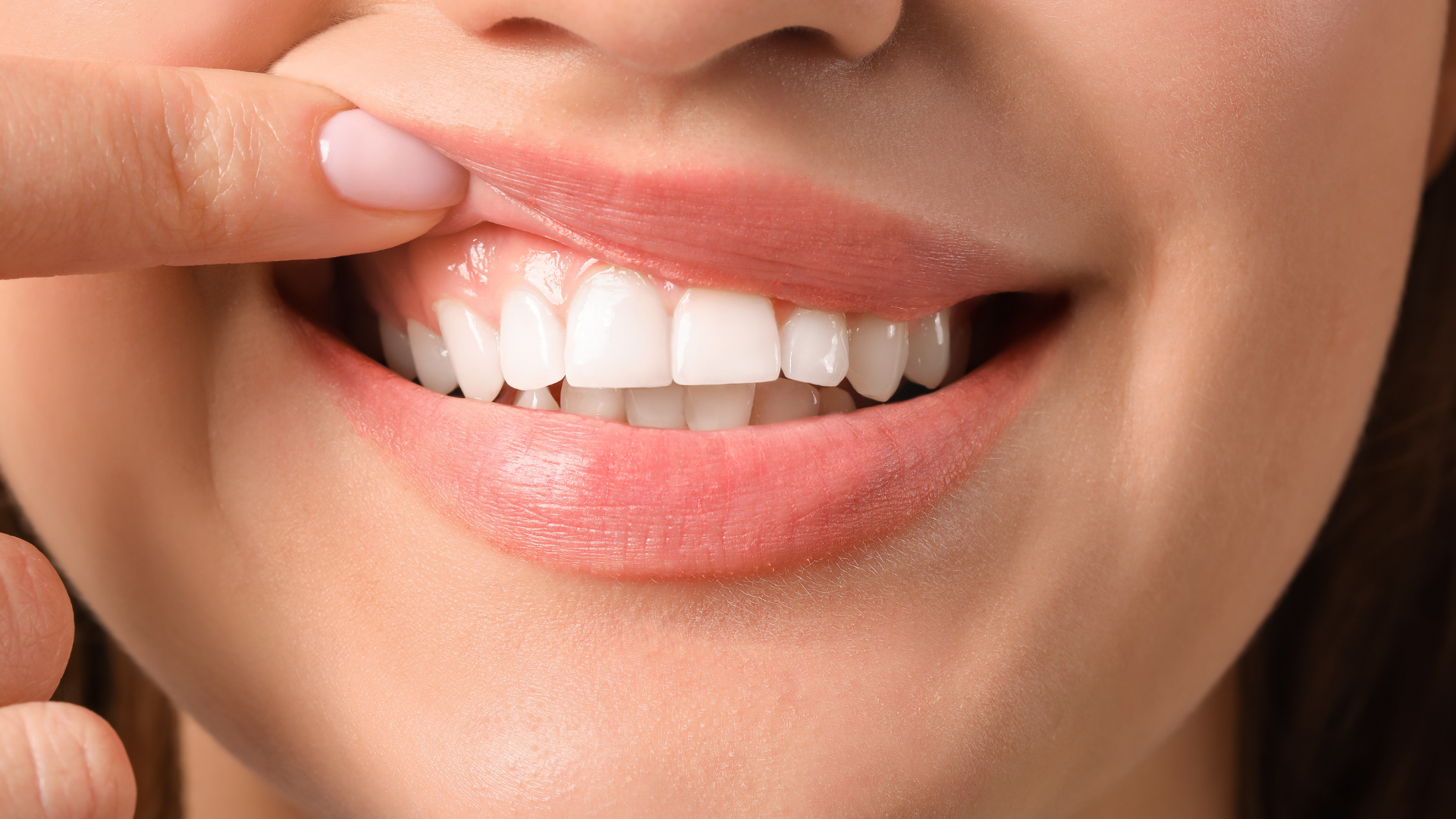
Have you looked in the mirror lately and noticed your teeth seem to be getting longer? That might not just be your imagination. Gum recession is a common sign that your gums are pulling away from your teeth, exposing more of the tooth's root. It's not just about looks, though. This can lead to a whole host of other problems if left unchecked. When your gums recede, they're not growing back on their own.
Teeth Appearing Longer
This is often the first thing people notice. The gum line starts to recede, making the teeth appear stretched out. It's like the foundation of your smile is shrinking. This can make your smile look uneven and, frankly, a bit older than you feel.
Sensitivity at the Gum Line
As the roots of your teeth become exposed, they lose their protective covering. This means that when you eat something hot, cold, or even sweet, you might feel a sharp twinge. It's your body's way of saying something's not right down there. This sensitivity can make everyday things like enjoying ice cream or a hot cup of coffee a bit of a challenge.
If you're seeing these changes, it's a good idea to get it checked out. A dentist in Palo Alto can help figure out what's going on. At Bryant St Dental, we often see this, and it's typically a sign that more advanced gum issues are developing. Ignoring it can lead to bigger problems down the road, like needing more involved laser gum treatment in Palo Alto.
Gum recession isn't just a cosmetic issue; it's a signal that the protective barrier around your teeth is weakening. This exposure can lead to discomfort and increase the risk of decay on the tooth roots.
Here's what you might experience with gum recession:
- Teeth are looking longer than before.
- A feeling of sensitivity when eating or drinking.
- Visible gaps or notches appearing at the base of your teeth.
Don't wait until it becomes a bigger problem. Consulting with a specialist at Bryant St Dental can help you understand the cause and explore treatment options, including advanced laser gum treatment in Palo Alto.
Bleeding Gums During Brushing or Flossing
It’s easy to dismiss a little blood when brushing or flossing. Maybe you think you’re just brushing too hard, or perhaps you figure it’ll stop on its own. But if your gums bleed frequently, it’s a pretty clear signal that something isn't right. This isn't just a minor annoyance; it's often an early sign of gum disease, and ignoring it can lead to bigger problems down the road.
Frequent Spontaneous Bleeding
Do your gums bleed even when you're not actively brushing or flossing? Maybe you notice a bit of blood on your pillow in the morning, or it happens when you eat something slightly firm. This type of spontaneous bleeding is a significant concern. It suggests that your gum tissue is inflamed and weakened, making it prone to bleeding with even the slightest provocation. It’s your body’s way of telling you there’s an issue that needs attention.
Gums That Are Red and Swollen
Take a good look at your gums in the mirror. Healthy gums are typically a nice pink color and hug your teeth snugly. If your gums look red, puffy, or generally inflamed, it’s a strong indicator of gingivitis, the early stage of gum disease. They might also feel tender to the touch.
This inflammation is often the root cause of why your gums bleed so easily. When gums are in this state, they are more fragile and susceptible to damage, leading to bleeding during your daily oral care routine. If you're seeing these signs, it might be time to consider professional help from a dentist in Palo Alto.
Persistent gum bleeding, redness, and swelling are not normal. They point towards an underlying issue that requires professional evaluation. Ignoring these symptoms can allow gum disease to progress, potentially leading to more serious oral health complications.
If you're experiencing these symptoms, especially if they've been ongoing for a while, it's a good idea to have them checked out. A visit to a local dentist, such as Bryant St Dental in Palo Alto, can help determine what's going on. They can assess the situation and discuss options, including advanced treatments like laser gum treatment in Palo Alto if that's appropriate for your condition.
Loose or Shifting Teeth
Have you noticed your teeth feeling a bit wobbly lately? Or maybe your bite just doesn't feel right anymore? These can be pretty concerning signs that something's up with your gums and the support system for your teeth. When your gums aren't healthy, they can start to pull away from your teeth, and this loss of support can lead to teeth that feel loose or even start to shift their position. It's not just about aesthetics; it can affect how you eat and speak.
Changes in Bite Alignment
Sometimes, the first thing people notice is that their bite has changed. You might bite down and feel like your teeth aren't meeting as they used to. This can happen gradually, and you might not even realize it until you're chewing something and it feels off. It’s like your teeth are playing musical chairs without telling you.
Spaces Appearing Between Teeth
Another common symptom is the appearance of new gaps or widening of existing spaces between your teeth. As gums recede and bone is lost, teeth can drift apart. This can be alarming, and it's a clear signal that your oral health needs attention. If you're seeing these changes, it might be time to look into options like laser gum treatment in Palo Alto.
When teeth start to loosen or shift, it's often a sign of advanced gum disease. The supporting bone structure is being compromised, and this isn't something that usually gets better on its own. Ignoring these symptoms can lead to more serious problems down the line, including tooth loss.
If you're experiencing loose or shifting teeth, it's advisable to consult a professional. A good dentist Palo Alto can assess the situation. At Bryant St Dental, we can help you understand what's happening and discuss treatment options. Considering laser gum treatment, Palo Alto might be a good step if gum disease is the cause. They can also check if other issues are contributing to the problem.
Gum Tenderness or Discomfort
Sometimes, your gums might just feel... off. It's not always a dramatic bleed, but a persistent ache or soreness that makes you think twice about eating or even brushing. This kind of discomfort is your body's way of signaling that something isn't right below the surface.
Soreness When Eating
Have you noticed that biting into something firm, like an apple, or even just chewing your regular meal, causes a twinge of pain? This sensitivity isn't just about your teeth; it often indicates inflamed gum tissue that has become tender to pressure. It can make enjoying food a chore, and you might start avoiding certain textures altogether. It’s a clear sign that your gums are unhappy and need attention. If this sounds familiar, it may be time to consult a dentist in Palo Alto.
Inflamed Gum Tissue
When gums are inflamed, they not only appear red and swollen, but also feel tender to the touch. This inflammation is a common symptom of gum disease, and it can cause discomfort throughout your entire mouth. You might find yourself being extra gentle when you brush, or even skipping flossing because it hurts. Ignoring this persistent tenderness can allow gum disease to progress.
Here are a few things that might be happening:
- Bacteria buildup irritates the gum line.
- Early stages of gum disease cause inflammation.
- Aggressive brushing or flossing habits contribute to soreness.
It's easy to dismiss a little gum soreness as just a temporary irritation. However, if it persists or worsens, it's a signal that needs to be heard. Your gums are a vital part of your oral health, and their comfort matters.
If you're experiencing ongoing gum tenderness or discomfort, it's a good idea to get it checked out. The team at Bryant St Dental can help figure out what's causing the pain. They offer advanced solutions, including laser gum treatment in Palo Alto, which can be a gentler and more effective way to address these issues compared to traditional methods. Don't let discomfort keep you from enjoying your meals or maintaining your oral hygiene.
Seeking Expert Laser Gum Treatment In Palo Alto
When to Consult Palo Alto Specialists
If you've been noticing any of the symptoms we've talked about – like persistent bad breath, gums that bleed easily, or teeth that feel a bit loose – it's probably time to think about getting professional help. Don't just brush it off or hope it gets better on its own. Ignoring gum problems can lead to more serious issues down the road. When you're in the Palo Alto area and suspect you might need advanced care, reaching out to a local dentist is the smart move. At Bryant St Dental, we often see patients who wish they'd come in sooner. We're here to help you understand what's happening and determine the best next steps.
Benefits of Laser Gum Therapy
When it comes to treating gum disease, especially when it has advanced, laser gum treatment in Palo Alto can be a viable option. It's a modern approach that many patients find less uncomfortable than traditional methods. Here’s why it’s becoming so popular:
- Minimally Invasive: Lasers can often remove infected tissue with minimal disruption to the surrounding healthy gum tissue. This means less pain and quicker healing.
- Reduced Bleeding: The laser helps seal blood vessels as it works, which can significantly reduce bleeding during and after the procedure.
- Less Swelling and Discomfort: Many people report feeling less swelling and general discomfort compared to scalpel-based treatments.
- Faster Recovery: Since it's less invasive, recovery times are often shorter, allowing you to return to your normal routine more quickly.
If you're looking for a skilled dentist in Palo Alto who can discuss these options with you, Bryant St Dental is a place to consider. They focus on providing up-to-date treatments to help you maintain a healthy smile.
Sometimes, the best way to address a dental issue is to utilize the latest available technology. Laser gum therapy is a prime example of how modern dentistry can make treatments more effective and comfortable for patients. It's not just about fixing a problem; it's about doing it in a way that respects your body's natural healing processes.
If you're in Palo Alto and experiencing gum issues, don't hesitate to explore laser gum treatment. It might be exactly what you need to get your oral health back on track.
Don't Wait to Get Your Gums Checked
So, if any of those signs sound familiar, it's perhaps time to contact a local specialist. Gum problems don't usually resolve themselves, and ignoring them can lead to more significant issues down the road. Laser therapy is a relatively new option that many people find effective.
It’s worth looking into if you're dealing with sore, bleeding, or receding gums. Getting your smile back in good shape is totally doable, and these Palo Alto pros are there to help you figure it out.
Disclaimer: The information in this article is intended for general educational purposes only and should not be considered medical or dental advice. Symptoms such as bad breath, gum recession, bleeding gums, or discomfort can have multiple causes, and proper diagnosis requires an evaluation by a licensed dental professional. Laser gum therapy and other treatments mentioned may not be suitable for every patient. Always consult with a qualified dentist or periodontist—such as a local specialist in Palo Alto—to determine the best course of care for your individual needs.
Blog | Bryant St Dental