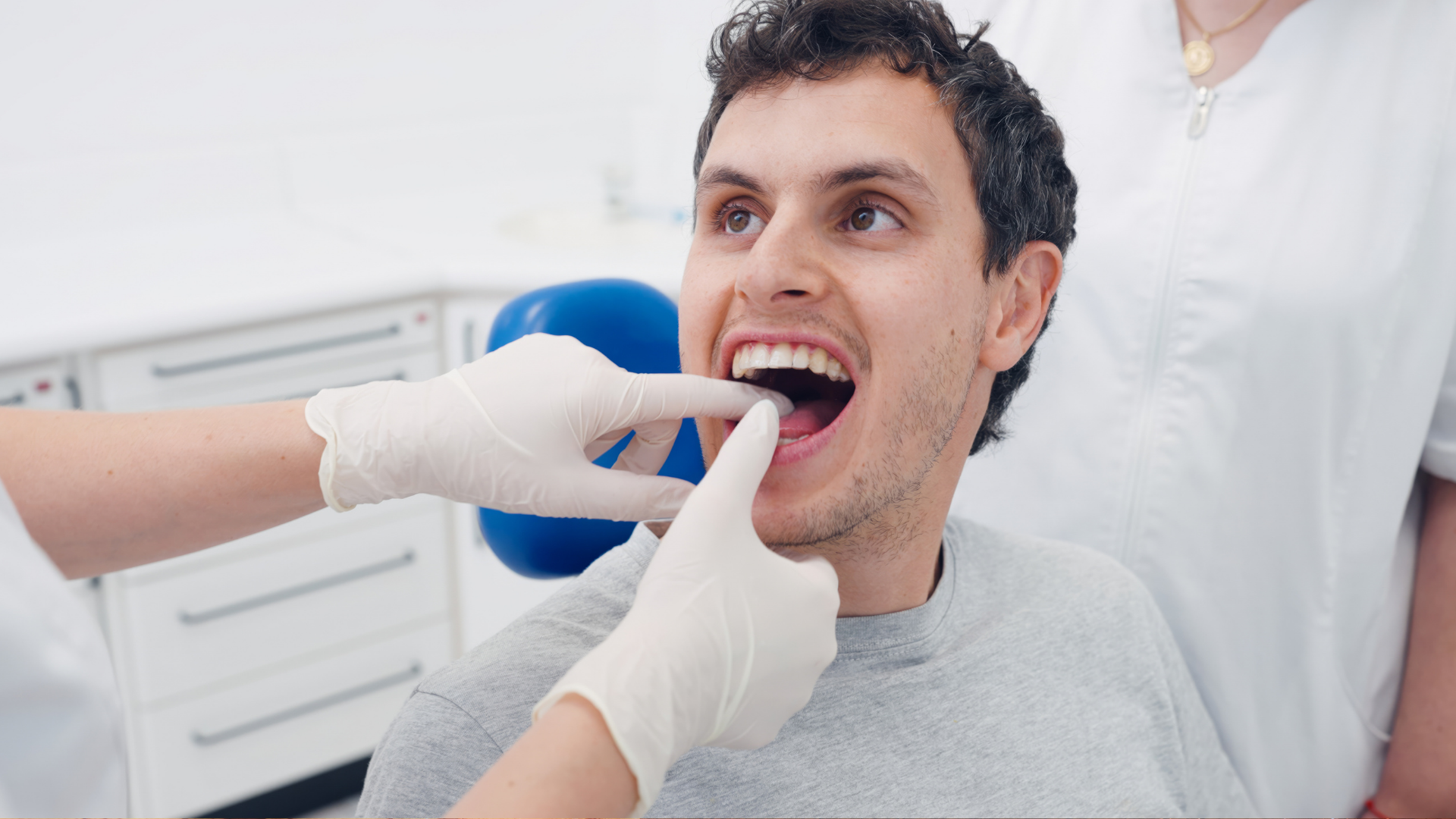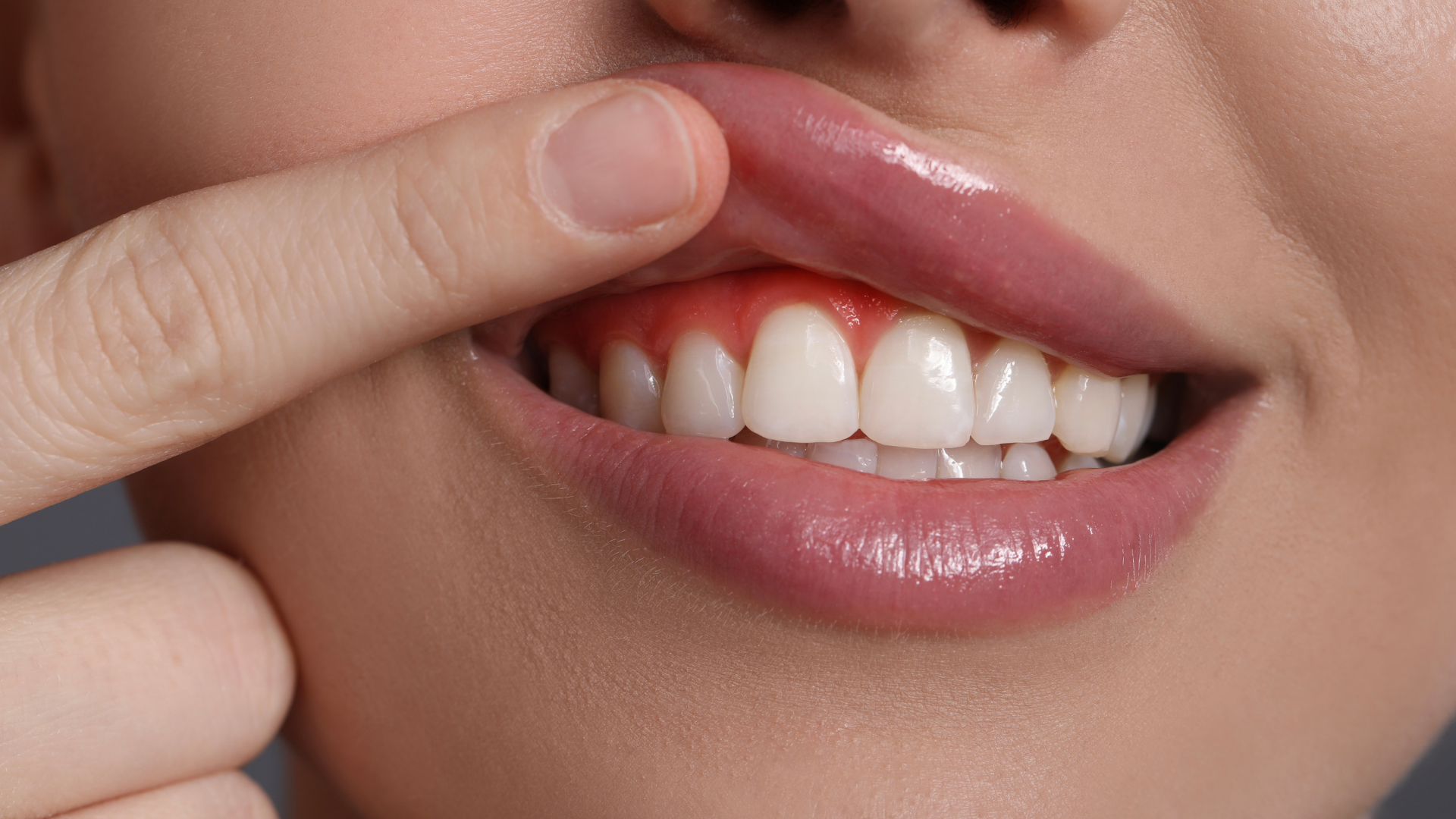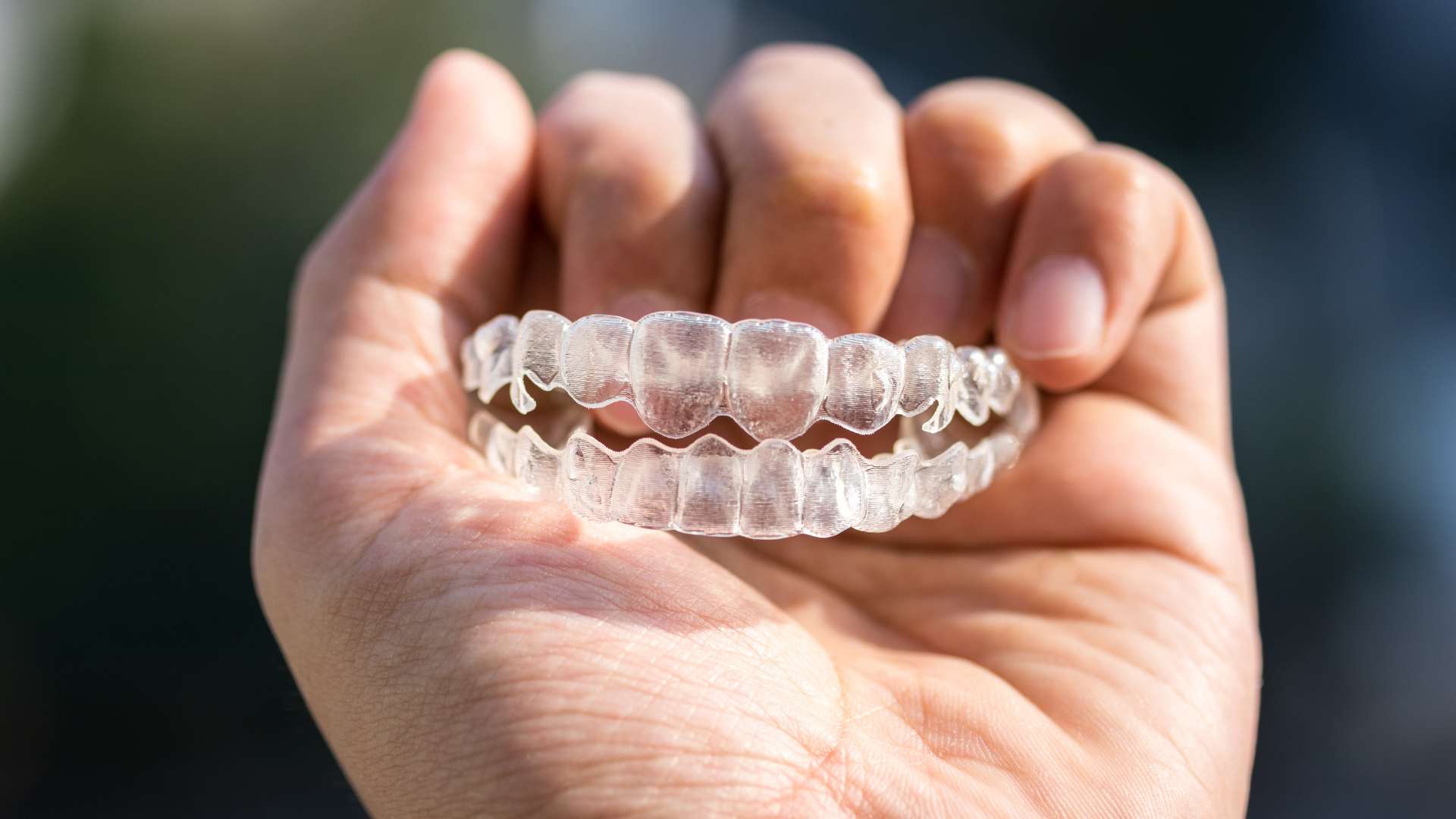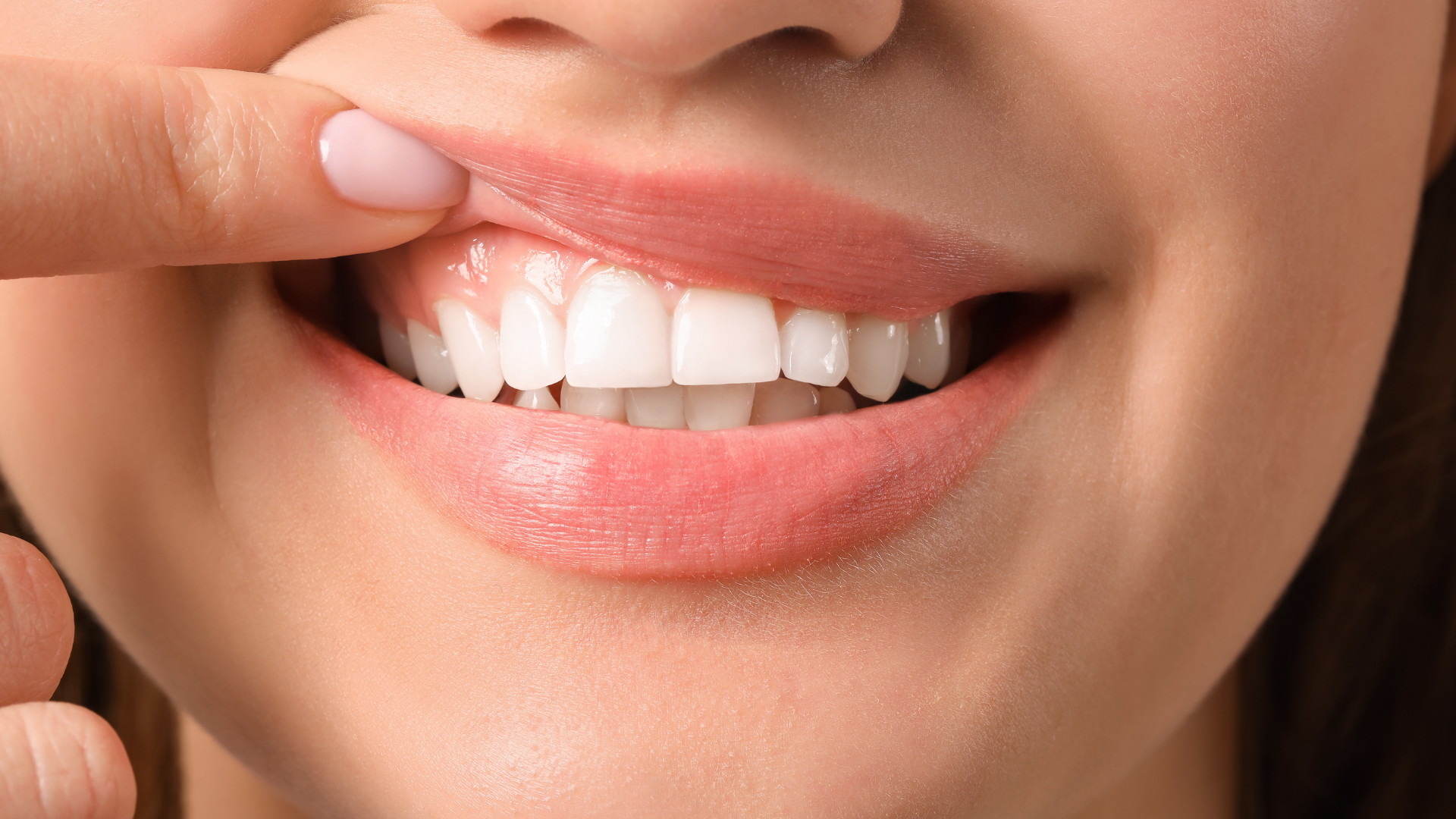
To maintain healthy teeth between routine visits, brush twice daily with an ADA-accepted fluoride toothpaste, floss consistently with proper mechanical technique, and use supplemental tools such as interdental brushes or water flossers. Combining structural home habits with professional cosmetic dentistry services in Palo Alto prevents enamel erosion, deep plaque buildup, and recurring bacterial inflammation.
Key Takeaways
- Mechanical Disruption is Vital: Physical brushing and flossing are your primary lines of defense against daily plaque formation.
- Look for the Seal: Use only over-the-counter therapeutic rinses and toothpastes that carry the official ADA Seal of Acceptance.
- Clean the Hidden Spaces: Traditional toothbrushes miss up to 40% of your tooth surfaces; interdental tools must bridge that structural gap.
- Saliva is Natural Armor: Boosting healthy saliva flow with clinical habits like chewing xylitol gum naturally balances your oral pH throughout the afternoon.
Protecting Your Smile Beyond the Chair
Even the most thorough professional dental hygiene treatment only accounts for a few hours of your year. The real battle against enamel decay and chronic gum irritation happens right at home, morning and night.
Skipping regular maintenance opens the door for plaque to mineralize into stubborn tartar, a hard material that requires specialized professional instruments to remove. If you want to protect your oral health and safeguard your investment in premium cosmetic dentistry services in Palo Alto, your everyday choices matter. Here are seven practical ways to elevate your preventative routine between office appointments.
1. Optimize Your Mechanical Toothbrush Routine
Your toothbrush is the single most critical tool in your daily preventative routine. However, using improper form or aggressive scrubbing can systematically destroy your smile over time.
Clinical guidelines state that using stiff, hard bristles with heavy horizontal scrubbing can cause irreversible gum recession and root exposure. The American Dental Association (ADA) advises utilizing a soft-bristle brush held at a precise 45-degree angle toward your gumline.
Move the brush in small, circular paths rather than sawing back and forth. This mechanical approach removes sticky plaque without wearing down your tooth enamel. Make sure to swap out your brush or electric head every 90 days; frayed bristles lose structural integrity and can harbour dangerous bacteria.
2. Choose Therapeutic Toothpastes
With hundreds of colorful boxes filling retail shelves along University Avenue, picking a toothpaste can feel overwhelming. Skip the marketing hype and turn the box over to locate the official ADA Seal of Acceptance. This certification ensures the formula contains verified therapeutic ingredients that protect your teeth without using harsh, damaging abrasives.
When selecting your daily defense, evaluate these specific elements:
- Fluoride Concentration: Essential for rebuilding weak enamel and reversing early micro-cavities.
- Desensitizing Compounds: Ingredients like potassium nitrate block exposed microscopic nerve pathways to calm active hot and cold sensitivity.
- Tartar Control Agents: Zinc citrate helps slow down the rate at which soft food debris hardens into calcified deposits.
3. Master Interproximal Flossing Habits
Brushing alone leaves almost half of your tooth surfaces dirty because the bristles simply cannot bend into tight spaces. Plaque thrives in these dark gaps, causing hidden cavities between teeth and triggering early periodontal disease. Flossing is a structural necessity, not an optional addition to your routine.
To clean effectively without slicing your delicate gum tissue, adopt this clinical approach:
- Measure Enough Length: Pull out roughly 18 inches of clean floss and wrap the ends securely around your middle fingers.
- Form a C-Shape: Curve the strand snugly around the tooth's natural side profile.
- Glide smoothly: Gently guide the floss up and down beneath the gumline; never snap it straight down into your tissue.
- Advance the Line: Use a completely fresh segment for every single gap to stop bacteria from moving across your mouth.
4. Integrate Antimicrobial Mouthwashes
Mouthwash should never replace your physical brush and floss. Think of it as a helpful liquid sweeping step that reaches into soft-tissue areas your tools cannot reach.
An ideal rinse should serve a therapeutic purpose rather than just masking bad breath with strong artificial mint flavors. Alcohol-free therapeutic rinses eliminate bad bacteria without drying out your mouth, which is crucial because a dry mouth actually speeds up bacterial growth. Swish the rinse vigorously for a full 30 seconds after flossing to help flush out loosened debris.
5. Utilize Water Flossing Devices
If you struggle with traditional string floss due to tight spaces, permanent retainers, or dexterity issues, a water flosser is an excellent addition to your routine. These devices use a targeted, pulsating stream of pressurized water to clear away trapped food particles from deep gaps and along your delicate gum margins.
Data shows that water flossers are highly effective at reducing surface bleeding and removing soft plaque from hard-to-reach areas. For our patients in the 94301 zip code with porcelain crowns, bridges, or dental implants, a water flosser is a gentle, effective way to keep your dental work pristine without irritating your gums.
6. Clear Trapped Plaque with Interdental Brushes
For wider gaps or complex orthodontic work, tiny interdental brushes work beautifully. These small, flexible, cylinder-shaped brushes slide easily into the gaps between your teeth to scrub away plaque that regular toothbrushes miss.
Using them is simple: pick the right size for your spaces, slide the brush gently between the teeth, and move it back and forth a couple of times. It is an easy, highly effective way to keep your smile healthy between visits to your favorite dentist in Palo Alto.
7. Support Oral Health with Xylitol Gum
What you do during a busy workday impacts your teeth just as much as your morning routine. When you cannot run to the sink to brush after lunching downtown, chewing a piece of pure xylitol gum is an excellent alternative.
Xylitol is a naturally occurring plant sugar that cavity-causing bacteria cannot digest. When these bacteria absorb it, it shuts down their ability to produce harmful acids and stick to your enamel. On top of that, the physical act of chewing triggers your salivary glands. Your natural saliva acts as an internal protective shield, washing away leftover food particles, neutralizing acidic foods, and coating your teeth with calcium and phosphate.
Advanced Clinical Care in Downtown Palo Alto
The team at Bryant St. Dental delivers top-tier preventative, restorative, and advanced cosmetic treatments in a modern, welcoming environment. Located conveniently in downtown Palo Alto, our clinicians bring decades of combined clinical expertise, doctoral dental degrees (DDS/DMD), and continuous advanced training to every patient visit.
We focus on helping you build strong, lasting home habits that keep your teeth and gums healthy for life. From simple preventative care to full smile makeovers, our practice provides clear, evidence-based treatments tailored to the unique goals of our Palo Alto community.
The Bottom Line
Keeping your smile vibrant and healthy comes down to consistency. By using the right tools every day, mastering your physical technique, and keeping up with regular clinical checkups, you can easily prevent major dental issues before they start.
Is It Time for Your Regular Cleaning?
Don't wait for a toothache to schedule your next visit.
Contact the team at Bryant St. Dental today to book your preventative appointment and keep your smile on the right track.
Disclaimer: This blog is for informational and educational purposes only and is not intended to replace professional dental advice, diagnosis, or treatment. Results may vary based on individual oral health conditions. Please consult a licensed dental professional for personalized care recommendations.
Blog | Bryant St Dental